
JOURNEY BEYOND BOUNDARIES
Africa Honeymoon Tour Packges
East Africa Destinations
Explore East Africa’s Ultimate Safari Destinations
Luxury Kenya Honeymoons For Couples

Romantic Kenya Safari Experiences
Exclusive Tanzania Journeys For Couples
Tanzania’s Finest Romantic Destinations
Romantic Zanzibar Getaways For Couples
Luxury Zanzibar Honeymoon Destinations
Luxury Uganda Honeymoons For Couples
Uganda’s Finest Romantic Retreats
Exclusive Rwanda Journeys For Couples
Discover Romantic Rwanda Safaris
Find answers to Your Safari Queries
FAQs
East Africa Safaris are wildlife and cultural tours across countries like Kenya, Tanzania, Rwanda and Uganda. They include game drives, gorilla trekking, and national park visits. These safaris offer diverse landscapes, rich wildlife, and authentic cultural experiences, making them ideal for adventure travellers seeking unforgettable African journeys.
A question we get asked more than almost any other. And rightly so, because timing your East Africa safari well makes an enormous difference to what you will actually see, where you can go, and how comfortable the whole experience feels.
The short answer is that the dry seasons, from June to October and from December to February, are generally the best windows to travel. Roads are passable, wildlife concentrates around shrinking water sources, and the skies clear up beautifully for photography. But the longer answer is more interesting, because East Africa is a big, varied region and each country has its own rhythms.
East Africa as a Whole
East Africa covers Kenya, Tanzania, Uganda, Rwanda, and the islands of Zanzibar. Stretch across the equator and reach from the Indian Ocean coast up into the highlands and volcanic ranges of the Great Rift Valley. That geography means weather does not behave uniformly across the region.
In broad terms, the region has two wet seasons and two dry seasons. The long rains run from roughly March to May. The short rains come in November and into early December. These wet periods are not always a reason to avoid travel entirely, but they do make certain activities harder, particularly game drives on murram roads that turn to mud, and trekking routes that become slippery.
Outside those windows, you have excellent conditions. The June to October dry season is the most popular for good reason. In July and August especially, the Masai Mara in Kenya and the Serengeti in Tanzania host the Great Migration, with enormous herds of wildebeest crossing rivers and moving in their ancient circuits. The December to February dry spell is quieter on visitor numbers but equally good for game, and the light at that time of year is often exceptional for photos.
For couples planning a romantic trip, both dry seasons work beautifully. A Kenya honeymoon safari, a Tanzania honeymoon safari, or even combining several countries into one journey all make for unforgettable experiences when the weather is on your side.
The Best Time for Kenya Safaris
Kenya is the heart of East Africa safari country for many travellers, and for good reason. The Masai Mara, Watamu, Malindi, Amboseli, Nairobi, Diani, Samburu, Tsavo East, Tsavo West, Lake Nakuru, and the Ol Pejeta Conservancy in Laikipia all offer exceptional wildlife experiences, each with a slightly different character.
June to October: Peak Safari Season
This is when Kenya is at its most compelling. The grass dries out, water concentrates in permanent rivers and waterholes, and animals become easier to find. From July onwards, the Great Migration spills from the Serengeti into the Masai Mara and the river crossings begin. Watching a column of wildebeest commit to crossing the Mara River, with crocodiles waiting below, is one of those things that stays with you permanently.
The Mara gets busy during this period, and prices reflect that, but the experience justifies it. If you are planning a honeymoon in Kenya during these months, book well in advance. Camps and lodges fill quickly, especially the more intimate properties along the river.
December to February: The Quieter Dry Season
This window is often underrated. Tourist numbers are lower than mid-year, yet conditions are excellent. Amboseli is particularly rewarding at this time, with Kilimanjaro often visible above the herds of elephants moving through the dusty plains. The light in January is superb.
For couples, this is actually a lovely time for a Kenya honeymoon safari. You have more of the bush to yourselves, the intimate camps feel genuinely private, and the wildlife is no less impressive. Samburu in the north is exceptional during these months, with its own special species like Grevy’s zebra, reticulated giraffe, and gerenuk that you will not find in the southern parks.
The Short Rains: November
November brings the short rains and also the start of the wildebeest calving season further south in the Serengeti. Kenya slows down a little, but it is a fine time to travel if you want lower rates and fewer vehicles in the park. The grass greens up quickly, birds arrive in number for the summer, and the landscapes look genuinely beautiful. It is worth considering if budget matters or if you like having a landscape more to yourself.
March to May: The Long Rains
Honestly, this is the period most guides will tell you to avoid for a classic safari. Roads in some areas become very difficult, particularly in the Masai Mara where the black cotton soil turns into something between clay and soup. Some camps close entirely. That said, Samburu and parts of Laikipia fare better because they sit in a rain shadow. If you are flexible and travelling on a tighter budget, deals exist, and the bird life during the rains is extraordinary.
The Best Time for Tanzania Safaris
Tanzania offers arguably the most complete safari experience on the continent. The Serengeti, Ngorongoro Crater, Tarangire, Selous, Ruaha, and the islands of Zanzibar all sit within its borders. The country rewards careful timing.
June to October: Serengeti and Beyond
The dry season transforms the northern circuit. In the Serengeti, the herds move northward through the middle of the year, and by late June and July they begin their crossings into Kenya. Ngorongoro Crater is excellent year-round but visits during the dry months mean better roads and less mud on the crater rim. Tarangire swells with elephants and other wildlife as animals converge on the Tarangire River, one of the only permanent water sources remaining.
Couples planning a Tanzania honeymoon safari during these months will find the parks in their prime. The southern circuit parks, Ruaha and Selous (now Nyerere), are also outstanding in the dry season and tend to feel more remote and exclusive than the northern parks.
December to March: The Green Season
The short rains end around December and a second dry spell begins. This is one of the best times to visit Tanzania, particularly for seeing the Serengeti calving season which runs from January through March in the southern plains around Ndutu. The concentration of predators following the newborns is extraordinary, and because this area falls outside the main Serengeti circuit, it does not feel crowded.
For a honeymoon in Tanzania, the Ndutu area in January and February combined with a few nights on Zanzibar makes a genuinely spectacular combination. Warm, clear, good for both wildlife and the beach.
The Best Time for Zanzibar Holidays
Zanzibar runs on its own clock, separate from the mainland safari calendar. It is an island sitting in the Indian Ocean, and its weather is governed by the monsoon cycle. Getting the timing right for Zanzibar matters more than on the mainland because the difference between a good week and a wet one is significant.
June to October: The Cool Dry Season
This is the most reliable period for Zanzibar. The Kusi monsoon brings consistent southeast winds, the sky is mostly clear, and the seas are calm enough for snorkelling and dhow trips. Temperatures are comfortable rather than sweltering, sitting around 26 to 28 degrees. The east coast beaches are at their best.
For couples planning a Zanzibar honeymoon safari, combining this period with a Kenya or Tanzania safari works perfectly. Fly from the Mara or the Serengeti, land in Stone Town, and spend your final nights in a beach banda watching the sun go down over the Indian Ocean. It is about as romantic as travel gets.
A honeymoon in Zanzibar at this time of year feels very different to peak beach destinations elsewhere. Stone Town is extraordinary, genuinely one of the most atmospheric old towns in Africa, and the food scene has improved enormously in recent years.
December to February: Hot and Clear
The northeast Kaskazi monsoon takes over from December, and this brings another dry and sunny period. The west coast beaches, Nungwi and Kendwa in particular, are excellent during these months. Water temperatures are warm and visibility underwater for diving and snorkelling is good. This period is popular with European travellers escaping winter, so book ahead.
A honeymoon in Zanzibar between Christmas and the end of February fits well into a broader East Africa itinerary that includes game viewing. Fly in from Nairobi or Kilimanjaro, settle into a boutique hotel in Stone Town or a beachfront property in the north, and let the island do the rest.
March to May and November: The Rains
The long rains from March to May bring heavy downpours that can make outdoor activities difficult and some roads impassable. November is shorter and more manageable, but still wetter than ideal. These months offer significantly lower prices, and some properties offer genuinely exceptional deals, but if your trip is a honeymoon or a once-in-a-decade holiday, it is worth paying the premium for guaranteed sunshine.
Uganda and Rwanda: Gorilla Trekking Calendar
Both Uganda and Rwanda offer gorilla trekking in the Bwindi Impenetrable National Park and Volcanoes national parks respectively, and the timing question here is slightly different because you are not following wildlife migration patterns but rather navigating terrain and weather to reach gorilla families in dense forest.
June to September and December to February
These months are the preferred trekking windows in both countries. The trails dry out, the forest becomes easier to navigate, and the gorillas themselves are often found at more accessible elevations. A Uganda honeymoon safari or a Rwanda honeymoon safari built around gorilla trekking during these months tends to be physically easier and the entire experience flows better.
That said, gorilla trekking happens year-round in both Uganda and Rwanda. The animals are present regardless of season, and many visitors time their trips to the shoulder seasons deliberately to secure permits more easily and benefit from less competition for early morning trek slots.
A honeymoon in Uganda built around gorilla trekking in Bwindi, followed by boat safaris on the Kazinga Channel in Queen Elizabeth National Park, is a genuinely original combination that most travellers have not considered. A honeymoon in Rwanda pairs Volcanoes National Park trekking with visits to Kigali, a city that surprises almost everyone who spends time there.
Both countries are compact enough to combine into a single itinerary if you have ten days or more. The scenery in both is striking, the kind of green equatorial landscape that does not look real until you are standing inside it.
Putting It Together
If you are planning an African Safari Honeymoon targeting countries in East Africa, the June to October window is the safest all-rounder. Kenya is at its best, Tanzania is excellent, gorilla trekking is comfortable, and Zanzibar is at its most reliable. If you want a quieter trip with fewer vehicles and better rates, December to February offers almost everything the peak season does with a lower price tag.
The one thing worth saying clearly is that there is no truly bad time to visit East Africa, just times that suit different priorities. Whether you are planning a classic safari, a romantic honeymoon across several countries, a gorilla trek, or a beach holiday to finish, the region has something exceptional to offer in every season.
If you are not sure where to start, get in touch with our expert team of honeymoon consultants and we will help you build an itinerary around the experience you are actually looking for.
This is one of those questions that sounds simple on the surface but actually opens up a much bigger conversation, because the honest answer depends on what kind of trip you have in mind. East Africa is not a single destination. It is a collection of very distinct countries that happen to share borders, some wildlife corridors, and a long tradition of welcoming travellers who want to get close to the natural world.
The core countries that make up what most safari companies mean when they say East Africa are Kenya, Tanzania, Uganda, and Rwanda. Zanzibar, while technically part of Tanzania, functions almost independently as a travel destination and deserves its own mention. Each of these places has a different character, different landscapes, and very different reasons to visit. What they share is accessibility, an established safari infrastructure, and scenery that genuinely does not look real until you are standing inside it.
Kenya
Kenya is where the East Africa safari story really begins for most travellers. The Masai Mara is the name everyone recognises, and it earns that reputation every year between July and October when the wildebeest migration spills across from the Serengeti and the Mara River crossings begin. But Kenya is much larger than that one famous park.
Amboseli sits at the foot of Kilimanjaro and offers some of the most iconic elephant photography in Africa, with the mountain providing a backdrop that feels almost theatrical. Samburu in the north has its own collection of species found nowhere else in Kenya, including the reticulated giraffe, Grevy’s zebra, and the long-necked gerenuk. Tsavo, split into east and west, is vast and wild in a way that feels genuinely remote. Lake Nakuru and the broader Rift Valley lakes bring flamingos, rhinos, and a birdlife that can stop you in your tracks.
Kenya also happens to be one of the more straightforward countries to enter. Travellers from most countries can sort out their
Kenya evisa requirements online through the official government portal before they fly, which removes one of the traditional headaches of African travel planning. The process is reasonably quick and can be completed weeks before departure, giving you one less thing to worry about when the trip gets close.
The coast is worth mentioning too. Mombasa, Diani Beach, and the Lamu Archipelago sit on the Indian Ocean and offer a completely different side of the country. Many travellers combine a few days on the Kenyan coast with their safari, particularly couples who want beach time as part of a larger honeymoon itinerary.
Tanzania
Tanzania is the other heavyweight of East Africa safari travel, and in some ways it is the more complete destination. The Serengeti alone could justify the trip. It is enormous, running through a landscape that shifts from open savannah to acacia woodland to the rocky kopjes that lions use as lookout points. The wildebeest migration moves through the Serengeti for most of the year before crossing into Kenya, meaning there is almost always action somewhere in the park regardless of when you visit.
Ngorongoro Crater is one of those places that gets described as a natural wonder so often the words lose their meaning, until you actually stand on the rim and look down at the floor twelve hundred feet below and the wildlife moving in herds across it. The crater holds one of the densest concentrations of wildlife in Africa, and it is one of the more reliable places on the continent to see the big five within a single game drive.
Tarangire is criminally underrated. It fills with elephants during the dry season in a way that few parks anywhere can match, and the ancient baobabs scattered across the landscape give it a visual character that is entirely its own. Further south, Ruaha and the Nyerere National Park offer a more remote, less visited version of the Tanzania safari experience, with walking safaris and boat trips along the Rufiji River.
Entry is similarly straightforward for most nationalities. Sorting out
Tanzania evisa requirements is done online in advance, and the system works well. Tanzania and Kenya have also moved toward a joint visa arrangement for travellers who plan to visit both countries on a single trip, which is worth checking when you plan your itinerary as it can save both money and paperwork.
Zanzibar, sitting off the Tanzanian coast, is covered in its own section below but is worth flagging here because so many Tanzania safaris end with a few nights on the island. The combination of bush and beach is one of the most satisfying ways to structure an East Africa trip, and Tanzania makes it logistically straightforward.
Uganda
Uganda tends to get overlooked in conversations about East Africa safaris, and that is genuinely a shame because it offers something that neither Kenya nor Tanzania can match in quite the same way. The mountain gorillas of Bwindi Impenetrable Forest are the obvious draw, and they deserve every word of praise they receive. Spending an hour in the forest with a habituated gorilla family is unlike any wildlife encounter anywhere on earth. The distance is close, the experience is quiet, and the intelligence behind those eyes is unsettling in the best possible way.
But Uganda has more to it than gorillas. Queen Elizabeth National Park runs along the floor of the Rift Valley with the Rwenzori Mountains behind it, and tree-climbing lions are occasionally spotted in the fig trees of the Ishasha sector. Murchison Falls, where the entire volume of the Nile is squeezed through a gap just seven metres wide before dropping forty meters into a churning pool below, is one of the most dramatic natural sights in Africa. The boat trip along the Nile to the base of the falls is one of those experiences that stays with you for years.
Kibale National Park has the highest density of primates in Africa, including chimpanzees, red colobus monkeys, and several other species. A chimpanzee trek through Kibale on the same itinerary as gorilla tracking in Bwindi gives you a primate experience that nothing else in the region comes close to matching.
Uganda evisa requirements are handled online, and most travellers find the process relatively painless. It is worth applying well in advance, particularly if your trip involves gorilla permits, which are issued separately and need to be booked months ahead of travel. The permits are limited by the number of visitors allowed per gorilla family per day, and the more popular families fill up fast.
Rwanda
Rwanda is small, densely forested, and genuinely unlike anywhere else in East Africa. The country has reinvented itself over the past two decades in a way that is remarkable, and Kigali is now one of the most organised, clean, and genuinely interesting capital cities on the continent. Spending a day or two in the city before heading into the parks is worth doing, not just as a practical staging point but because the city itself has a story to tell.
Volcanoes National Park in the north of the country is where most international visitors head, and the reason is the same as in Uganda. Mountain gorillas. The Virunga Volcanoes form a dramatic backdrop to the park, and the trek to reach the gorilla families takes you through bamboo forest, open moorland, and dense vegetation that feels primeval. The experience is managed carefully, limited to a small number of visitors per day, and the permits are not cheap. But it is one of those things that people return from having genuinely changed their perspective on wildlife.
Rwanda also has Akagera National Park on the eastern border with Tanzania, which has been quietly rebuilding its big five credentials after lions and rhinos were reintroduced in recent years. It is a more conventional game park experience but a good one, and it pairs well with a gorilla trek for travellers who want the classic safari alongside the more unusual primate experience.
Rwanda evisa requirements are worth noting because Rwanda has one of the more progressive entry systems in Africa. Many nationalities can obtain a visa on arrival, and East African Community members travel freely. For others, the online application is quick. Rwanda also operates a single-entry East Africa tourist visa arrangement with Kenya and Uganda, which means that travellers combining all three countries on one trip can sometimes use a single visa, dramatically simplifying the paperwork.
A Note on Zanzibar
Zanzibar sits technically within Tanzania but functions as its own travel world. The archipelago consists of Unguja, which is what most people mean when they say Zanzibar, along with Pemba Island and a scattering of smaller islands. Stone Town, the old quarter of Zanzibar City, is a UNESCO World Heritage Site and one of the most atmospheric places in East Africa. The narrow lanes, carved wooden doors, the smell of spices coming from the market, the call to prayer echoing off old coral stone walls. It is the kind of place that is hard to describe without sliding into cliché because everything true about it sounds like a brochure.
The beaches are genuinely exceptional, particularly on the north and east coasts. The Indian Ocean here is warm, clear, and full of marine life. Diving and snorkelling around the reefs is excellent when the weather cooperates, and the best months align well with the main safari season on the mainland.
Most travellers visit Zanzibar as an extension of a Tanzania or Kenya safari rather than as a standalone destination. It is the perfect place to decompress after days of early mornings and game drives, and the contrast between the bush and the beach is one of the things that makes East Africa such a compelling region for longer trips.
Combining Countries on a Single East Africa Safari
One of the most appealing things about East Africa is that the countries sit close enough together to be combined without the trip feeling rushed. A two-week itinerary that moves through Kenya and Tanzania covers the migration, the crater, and the best of the savannah experience. Three weeks opens up the possibility of adding Uganda or Rwanda for gorilla trekking, with Zanzibar at the end as a wind-down.
The most popular multi-country combination is Kenya and Tanzania, which share the Masai Mara and Serengeti ecosystem and can be linked by a short domestic flight. Adding Uganda takes you into a completely different landscape and a completely different kind of wildlife encounter. Rwanda is a natural addition to Uganda given the proximity of the two gorilla parks, and the two countries can be covered comfortably in five to six days before flying back to Nairobi or Kilimanjaro for an onward connection.
Visa logistics across multiple countries used to be complicated, but the East African Community has been steadily simplifying entry requirements. The joint visa arrangements between some countries mean it is worth checking the current rules when you start planning, as they have a direct effect on both cost and paperwork. Each country’s evisa system has moved online in recent years, and for most nationalities the applications are manageable without going through an agent.
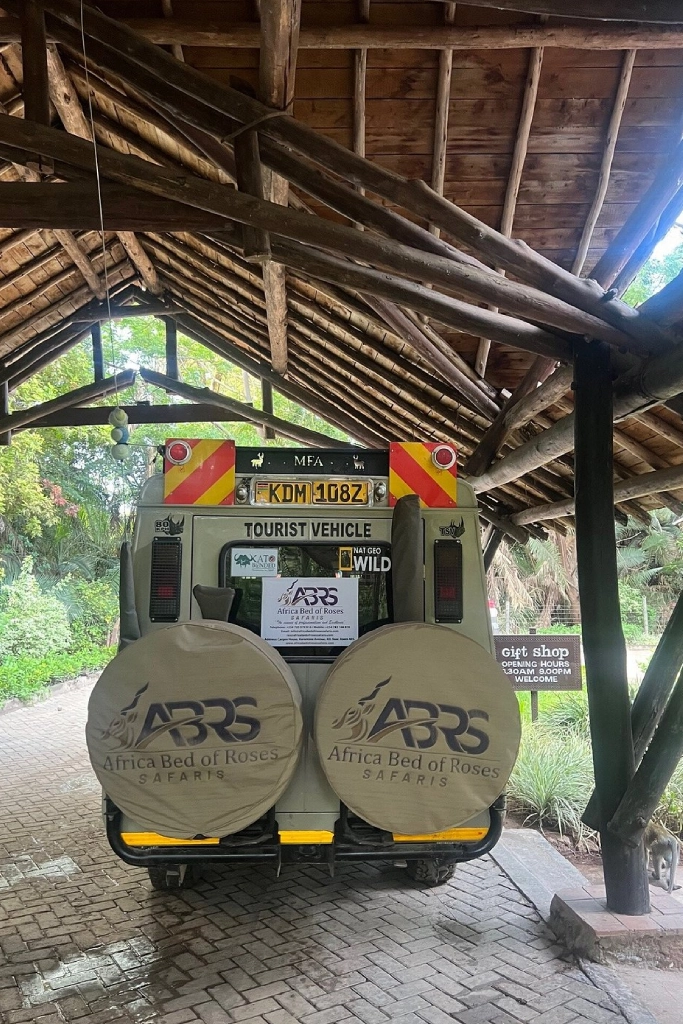
If you are putting together an itinerary that combines several of these destinations and want to make sure the routing, timing, and permits all line up properly, that is exactly the kind of thing we handle for our travellers at Africa Bed of Roses Safaris. Get in touch and we can talk through what is realistic for your timeframe and what kind of experience you are genuinely looking for.
On East Africa Safaris, travellers can see the Big Five: lion, leopard, elephant, rhino, and buffalo. You may also spot giraffes, zebras, cheetahs, hippos, and countless bird species. Wildlife viewing is best in national parks and reserves where animals roam freely in their natural habitats.
Short answer, yes. But let me give you the longer one, because it comes with a few things worth knowing before you start planning.
African safaris have a reputation for being a romantic getaway, the kind of trip couples save up for and talk about for years afterwards. And that reputation is well deserved. We plan a lot of honeymoons and anniversary trips at Africa Bed of Roses Safaris, and the bush has a way of doing something to people when they are together and away from ordinary life. But families come to East Africa too, and some of the most memorable experiences we have ever helped put together have been for parents travelling with children, grandparents included on a milestone trip, or grown-up siblings doing something their own families could share.
The question of whether a safari suits your family really comes down to who is travelling, what the children are like, and how the itinerary is built. A well-designed family safari is genuinely brilliant. A poorly timed one with the wrong lodges and too many long drives can be exhausting for everyone. The difference is almost entirely in the planning.
What Actually Makes a Safari Work for a Family
The first thing to understand is that East Africa is a big region with a lot of variety. Not every park, camp, or activity is equally suitable for children, and part of what we do is match families to the right combination of destinations, lodges, and experiences based on the ages and personalities of the people travelling.
Game drives are the core of almost any safari, and children who have grown up watching wildlife documentaries often take to them with genuine enthusiasm. Spotting a lion from the back of an open vehicle, watching a herd of elephants move past a waterhole at dusk, or seeing a cheetah sitting on a termite mound scanning the plains, those moments land differently when you are sharing them with a child. There is something about experiencing it through their eyes that makes it more vivid for adults too.
That said, young children and long game drives do not always mix well. Most responsible operators set a minimum age for certain activities, gorilla trekking in Uganda and Rwanda for instance is restricted to travellers aged fifteen and above, both for safety reasons and out of respect for the animals. Night drives have age limits at some camps. Walking safaris typically require older children who can follow instructions calmly. These are not obstacles so much as things to factor into the planning from the start.
Lodges Built with Families in Mind
The accommodation choice matters more for families than for almost any other type of traveller. Some lodges are genuinely set up for it, with family cottages or interconnecting rooms, dedicated activities for younger guests, shallow pools, and guides who know how to engage children on game drives. Others are more oriented toward couples looking for a quiet, adults-only atmosphere, and putting a family with young children into that setting does not work well for anyone.
Kenya has several excellent family-friendly properties in and around the Masai Mara, Amboseli, and Laikipia. Tanzania has lodges in the Serengeti and near Ngorongoro that cater well to multi-generational groups. The key is knowing which ones to use and which ones to steer families away from, and that is where working with someone who has been on the ground and knows the properties personally makes a real difference.
When families come back from trips we have planned for them, the feedback is always specific. Not just ‘it was amazing’ but real detail, the guide who let the kids track animals using footprints in the dust, the afternoon a young elephant investigated the vehicle from about two metres away, the night they slept in a tent and heard lions calling across the plain. That kind of detail is what ends up in client reviews, and it is always the same thread running through them regardless of whether the travellers were a honeymooning couple or a family of five. The bush gives people experiences they cannot get anywhere else.
Age Considerations: What Works at Different Stages
Younger Children, Roughly Five to Ten
This age group can actually do very well on safari if the itinerary is sensible. Short game drives rather than marathon sessions, lodges with some space to run around, guides who treat children as genuine participants rather than small adults who need to stay quiet. Kenya is often the best starting point for younger families because the infrastructure is excellent, the parks are well developed, and the wildlife in places like Amboseli and the Mara is consistent and close enough that you do not need to spend all day in a vehicle to have a rewarding day.
Zanzibar as a final stop works beautifully for this age group. A few days on a calm, clear beach after the intensity of the bush gives children something different to be excited about, and parents get to actually relax. The north coast of Zanzibar in particular is shallow, warm, and calm, which makes it genuinely appropriate for younger swimmers.
Older Children and Teenagers
This is arguably the best age for a family safari. Teenagers who are engaged and curious tend to find East Africa completely absorbing, particularly when they are given real context about the wildlife, the ecosystems, and the conservation challenges the region faces. A good guide at this stage is worth everything. The best guides we work with have a gift for reading what level a guest is at and pitching their knowledge accordingly, and teenagers who arrive slightly reluctant often leave wanting to come back.
This age group also opens up more of the itinerary. Older teenagers can do gorilla trekking, which is one of the most profound wildlife experiences anywhere on earth. They can join walking safaris with the right operator and the right terrain. They can handle longer drives and more remote destinations. A Kenya and Tanzania combination, or even adding Uganda for the primates, becomes realistic and genuinely rewarding rather than logistically risky.
Multi-Generational Groups
Some of the most satisfying trips we have helped plan have been for three-generation families, grandparents making a significant birthday mean something, adult children organising a trip their parents always talked about but never quite got around to. These need careful thought around pace, physical demands, and accommodation comfort levels, but they are absolutely achievable and tend to produce the kind of shared experience that a family talks about for the rest of their lives.
The important thing with multi-generational groups is not trying to do too much. A focused itinerary that gives everyone time to breathe, with accommodation that is genuinely comfortable rather than just functional, works far better than an ambitious route that leaves people exhausted and slightly resentful by day four.
Which Destinations Work Best for Family Safaris
Kenya
Kenya is the easiest entry point for a first family safari. The Masai Mara is the obvious centrepiece, particularly if you are timing a July or August trip to coincide with the wildebeest migration and the river crossings. Amboseli is excellent for families who want dramatic scenery alongside the wildlife, and the elephants there are so habituated to vehicles that encounters can be extraordinarily close. Laikipia, the plateau north of Mount Kenya, has some of the best family lodges in East Africa with a range of activities beyond the standard game drive.
For families finishing on the coast, the Diani Beach area south of Mombasa and the Watamu coast further north both offer calm Indian Ocean swimming and a relaxed atmosphere that transitions well from the bush.
Tanzania
Tanzania rewards families who have a bit more safari experience or who are comfortable with slightly longer drives between destinations. The Serengeti is vast, and getting between areas within it takes time. That said, the Ngorongoro Crater is one of the most consistently productive wildlife destinations in Africa, and a morning on the crater floor is the kind of thing that a child does not forget. Tarangire is deeply underrated for families because the elephant numbers are extraordinary and the park is compact enough to cover well in a day or two.
Zanzibar as a Tanzania extension works just as well for families as it does for honeymoon couples. The island has enough variety that children and adults can both find what they want, whether that is spice farm tours, dolphin watching trips, or simply spending a few days on a beach that lives up to the photographs.
Uganda and Rwanda
For families with older children and teenagers, both Uganda and Rwanda offer something that Kenya and Tanzania simply cannot. The primate experiences in Bwindi and Kibale in Uganda, and in Volcanoes National Park in Rwanda, are in a completely different category from conventional game drives. Sitting in dense mountain forest watching a silverback gorilla move through the undergrowth with his family is not something that translates well into words. It is one of those experiences that restructures how people think about wildlife and about our own place in the natural world.
Uganda also has Murchison Falls, Queen Elizabeth National Park, and some genuinely exceptional lodge options that are well suited to family groups. Rwanda’s compact geography makes it easy to cover a lot of ground in a short time, and the quality of accommodation has risen considerably in recent years.
How We Approach Family Safari Planning
At Africa Bed of Roses Safaris, we plan family trips in the same way we plan honeymoons, by starting with a proper conversation about who is travelling, what they want to feel at the end of it, and what the constraints are. Budget, time, the ages and temperaments of the children, whether there are any physical limitations in the group, whether anyone has been to Africa before. All of that shapes the itinerary before we suggest a single destination.
We do not have a generic family package that we slot people into. Every itinerary is put together specifically for the group travelling on it, with accommodation that suits the ages involved, routing that does not exhaust anyone, and guides who are matched to the kind of experience the family is looking for.
If you are curious about how previous families have found the experience, reading through our client reviews and testimonials gives you a genuine sense of what people actually felt during and after their trips. Families write differently about their safaris than couples do. The details they remember, the moments they come back to. And it is worth reading before you start planning your own, because it tends to clarify what kind of trip you are actually looking for.
Whether you are planning a trip that started as a honeymoon idea and has evolved into a family adventure, or you have always wanted to bring your children to Africa and the time has finally come, we would love to help you put something together that works for everyone travelling.
Get in touch and we can start from there.
"Trustworthy tour oparator"

"Lots of wonderful sights"

"Great tour"

Partnerships & Accreditations
Africa Bed of Roses Safaris is an accredited tour operator under the Kenya Tourism Regulatory Authority (TRA) and a proud member of the Kenya Association of Tour Operators (KATO). As part of the KATO bonding scheme, our services are insured to ensure your honeymoon holiday safari is protected, offering peace of mind even in the rare event of a member ceasing operations.






Quick Links

© 2026 Africa Bed Of Roses Safaris. All Rights Reserved. Design By Safari Marketing Pro