





Zanzibar rewards travelers who treat it as two trips in one: a few days inside a UNESCO listed old town thick with history, followed by however many days you can spare on some of the best beaches in the Indian Ocean. Most people arrive planning for the beach and leave talking about Stone Town.
One of our guests described her first evening at Forodhani Gardens like this. She had expected a quiet walk along the seafront and instead found dozens of grills firing up at once, the smell of cinnamon and charcoal thick in the air, a boy selling sugarcane juice pressed right in front of her, and the call to prayer drifting over the whole scene as the sun went down behind the dhows.
That collision of ordinary and extraordinary is what Zanzibar does best. Nothing about the evening was staged for tourists. It was simply Tuesday in Stone Town.
Zanzibar has earned its reputation the hard way. The island was named Africa’s Leading Beach Destination at the 2025 World Travel Awards and Africa’s Best Corporate Retreat Destination in the same year, and it will host the World Travel Awards Africa Gala in 2026, a recognition few beach destinations on the continent can match. Stone Town itself has carried UNESCO World Heritage status since the year 2000.
At Africa Bed of Roses Safaris, we build most of our Zanzibar itineraries as the second half of a trip that starts on safari in Kenya or Tanzania, though the island stands on its own perfectly well too. This guide covers what we tell every client before they book: when to go, where to stay, what it costs, what to pack, and the handful of things about the island that surprise almost everyone.
Where is Zanzibar and How Do You Get There
Zanzibar is a semi-autonomous archipelago belonging to Tanzania, sitting around 35 kilometres off the East African coast in the Indian Ocean. The main island, officially Unguja and commonly just called Zanzibar, is where nearly all visitors spend their time, with smaller Pemba Island to the north for those who venture further.

Abeid Amani Karume International Airport (ZNZ) is the island’s only airport and receives direct flights from several European cities along with connections through Nairobi, Dar es Salaam, Addis Ababa, and Doha. If you are combining Zanzibar with a Kenya safari, the flight from Nairobi to Zanzibar takes a little over an hour, making the transition from savannah to sand remarkably painless.
Travelers already on the Tanzanian mainland, whether finishing a Serengeti safari or flying out of Arusha, can reach Zanzibar by a short domestic flight or by ferry from Dar es Salaam. The ferry takes about two hours and is a genuinely pleasant way to arrive, though it can get choppy, so pack accordingly if you are prone to seasickness.
When to Visit Zanzibar: A Month by Month Guide
Zanzibar sits close enough to the equator that it is warm every month of the year, so the real question is not whether it will be hot but how much rain and wind you are willing to plan around.
June to September: Peak Season
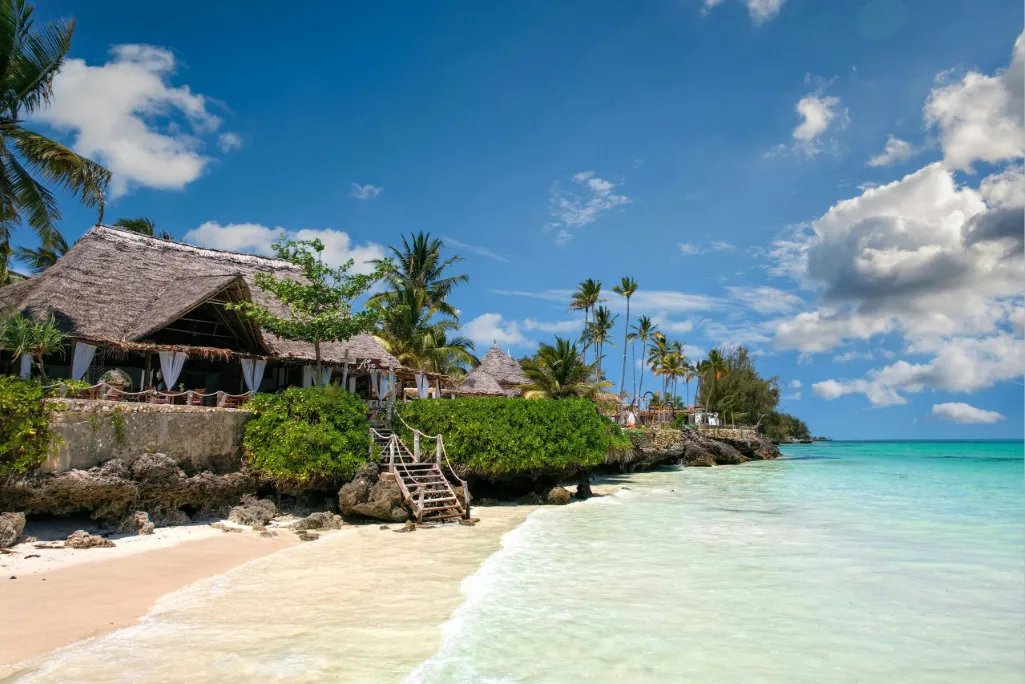
This is the most reliable stretch for classic beach weather, with warm days around 26 degrees Celsius, low humidity, and calm seas. It also happens to line up with the dry season across mainland Tanzania and Kenya, which is exactly why it is the season we recommend most often for combining a safari with a beach extension.
Clove harvests run through July and September, adding an extra layer to spice farm tours during this window. Expect the busiest beaches and the highest prices of the year, so book accommodation early if your dates fall here.
October to January
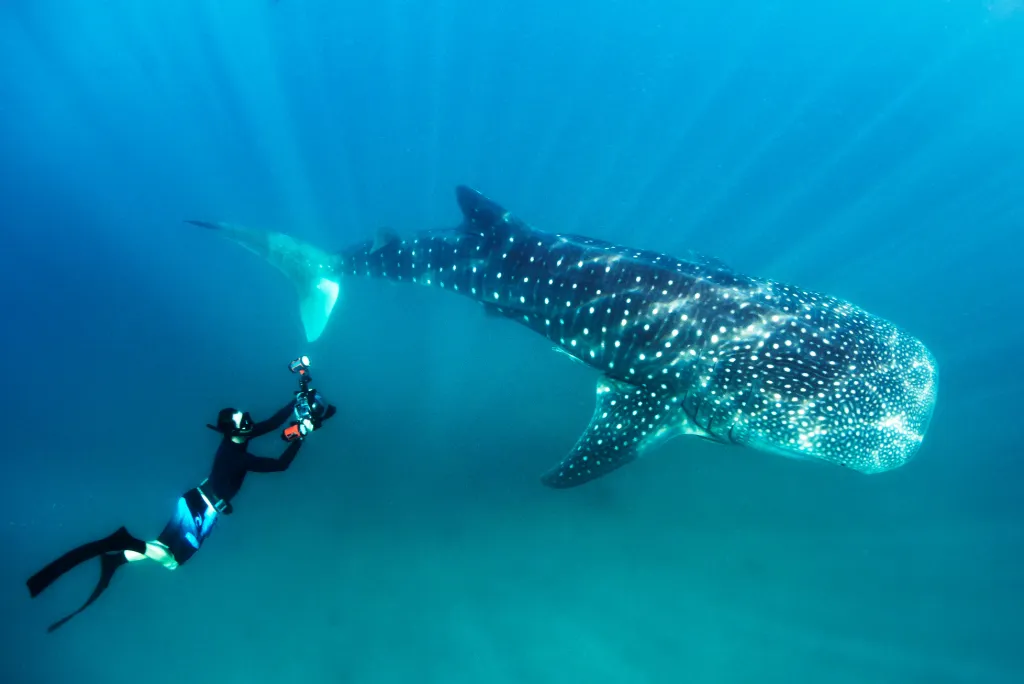
October brings cooler winds and calm seas with very little rain. The short rains typically arrive in November as brief afternoon showers rather than washed out days, and December through January brings some of the best diving conditions of the year, including a real chance of encountering whale sharks around the Mafia Archipelago further south.
This period is underrated. Prices sit below peak season, crowds thin out considerably, and the weather rarely disappoints.
February to May
February and March are genuinely excellent for diving, with some of the clearest water conditions of the year along the south coast. Temperatures climb to their yearly peak around this time too, regularly reaching the mid thirties Celsius.
The long rains typically begin around mid March and run through May. Some lodges close for maintenance during this stretch, beach conditions turn unreliable, and this is unquestionably the cheapest time to visit if your priority is budget over guaranteed sunshine.
Timing Zanzibar Around a Safari
If you are combining Zanzibar with the Great Migration in the Masai Mara or the Serengeti, the timing works out neatly. Peak safari season and peak Zanzibar season both fall between June and October, so a two week trip covering both experiences barely requires a compromise on either end.
Best Months for Dolphins and Whale Sharks
Dolphin encounters are most reliable from June through September, and again in January and February, at Mnemba Island off the northeast coast and at Kizimkazi on the southwest coast, a small fishing village that has become one of the most consistent places on the continent to swim with wild dolphins. Whale sharks gather around the Mafia Archipelago primarily from October through March, with December and January generally regarded as the strongest window.
The Cheapest Time to Visit Zanzibar
If budget matters more than guaranteed sunshine, March through May offers the lowest rates of the year, along with the quietest beaches and the fewest other travelers anywhere on the island.
Where to Stay in Zanzibar
Zanzibar is bigger than most first time visitors expect, and its coastline has genuinely distinct personalities depending on which side of the island you choose. Most well planned trips combine at least two of these areas rather than settling on just one.
Stone Town
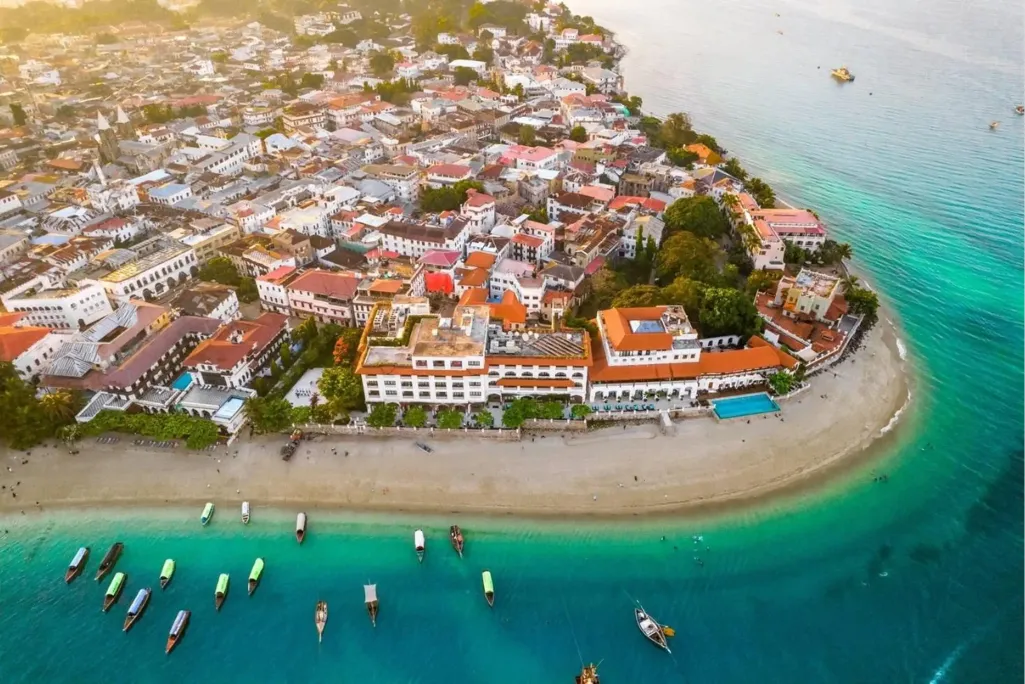
Stone Town is the island’s cultural core and deserves at least one or two nights, even if your trip is otherwise entirely beach focused. Narrow alleyways, carved wooden doors, spice markets, and a UNESCO World Heritage designation make it unlike anywhere else on the East African coast. Most travelers use it as a bookend, arriving or departing through the town rather than basing an entire stay here.
The North Coast: Nungwi and Kendwa
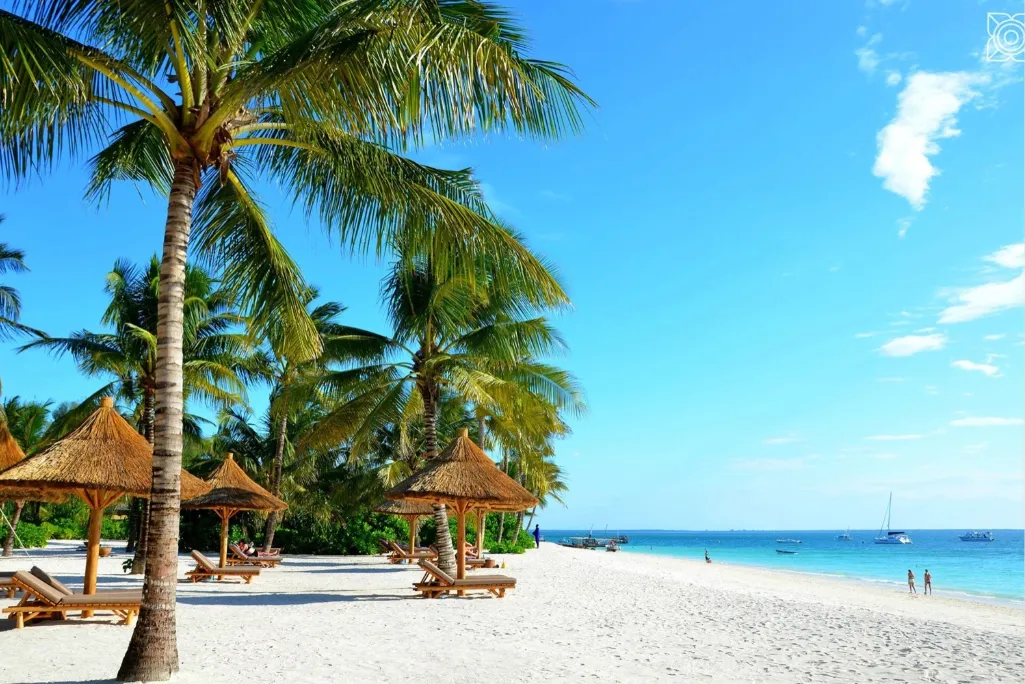
Nungwi and Kendwa, at the island’s northern tip, hold the most developed concentration of resorts and the liveliest nightlife on the island. The real draw is practical rather than social: tides here are far gentler than elsewhere on Zanzibar, which means you can swim any time of day rather than working around a tide table.
Kendwa in particular has become a favourite for honeymooners thanks to its calmer, more intimate resorts, while Nungwi carries a slightly more energetic, younger atmosphere.
The East Coast: Paje and Jambiani
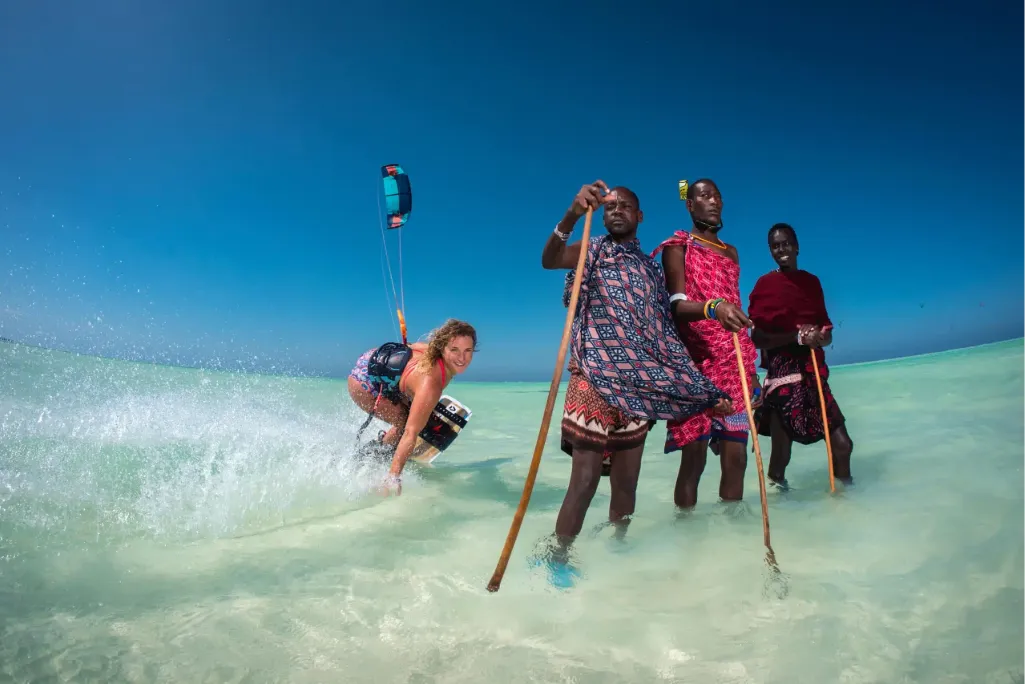
The east coast trades some of the north’s convenience for a quieter, more local feel. Paje has become East Africa’s kitesurfing capital thanks to its consistent trade winds, while Jambiani just south offers a similarly beautiful stretch of sand with even fewer crowds.
The one detail worth knowing before you book: tides on this coast swing dramatically, and at low tide the water can retreat far enough that swimming is not really possible for several hours. It is not a flaw so much as a rhythm to plan around, and most guests adjust within a day.
Matemwe and Kiwengwa
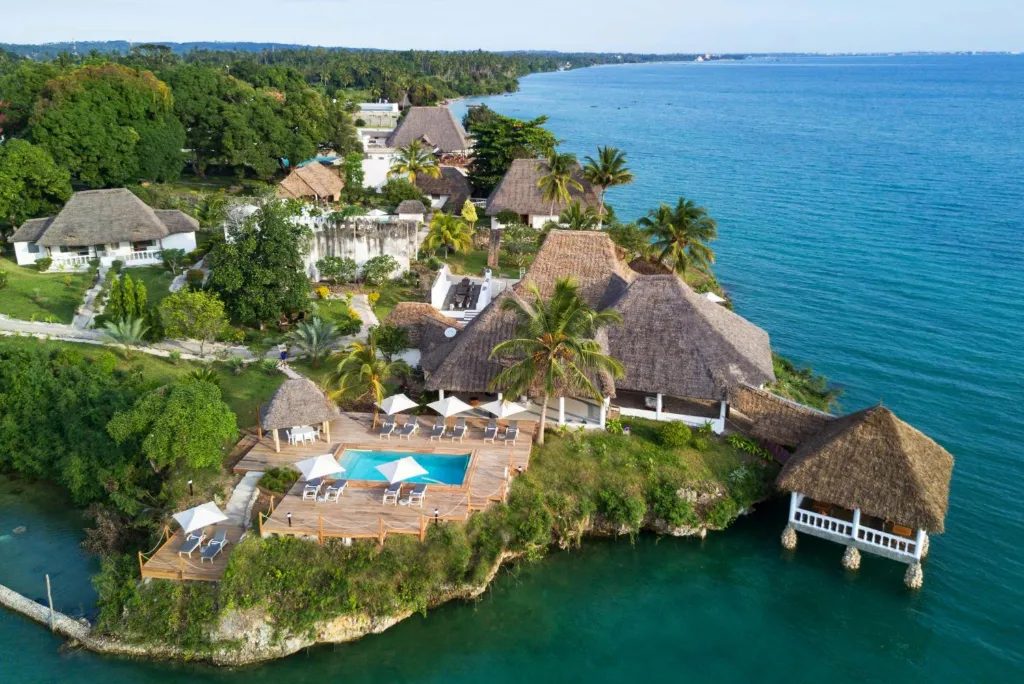
This stretch sits between the busier north and the laid back east, and it has quietly become the go to base for serious divers and snorkellers thanks to its proximity to Mnemba Atoll. Kiwengwa, just south, leans toward larger family friendly and all inclusive resorts, while Matemwe remains a small, relatively untouched village.
Zanzibar Coast by Travel Style
| Coast | Best For | Worth Knowing |
| Stone Town | History, culture, first or last night | Not a beach base, pair with another coast |
| Nungwi and Kendwa | Nightlife, honeymoons, all day swimming | Busiest, most developed area |
| Paje and Jambiani | Kitesurfing, quiet pace, local feel | Big tides limit swimming windows |
| Matemwe and Kiwengwa | Diving, snorkelling, families | Closest base to Mnemba Atoll |
Our Recommended Zanzibar Itinerary
For a full week on the island, this is the sequence we suggest most often, adjustable depending on whether diving, culture, or pure relaxation is the priority. Spend your first two nights in Stone Town. Give yourself one full day to properly explore the old town, its markets, and its history, then use a second day for an easy add on excursion such as Prison Island or a spice farm tour before heading to the coast.
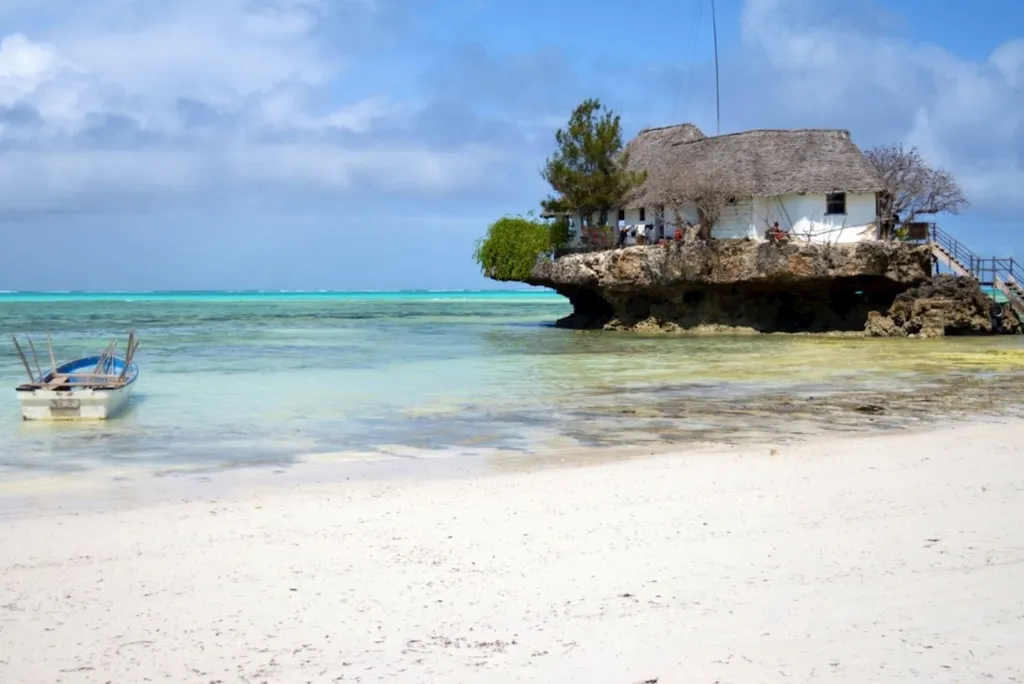
Move north to Nungwi or Kendwa for three or four nights. This is where the trip shifts from cultural immersion to genuine relaxation, with enough time for a Mnemba Atoll snorkelling trip and at least one full day of doing absolutely nothing.
If time allows, close with two or three nights in Paje for a change of pace, particularly if anyone in your group wants to try kitesurfing or simply prefers a quieter final stretch before flying home.
Ten days allows you to add all three regions comfortably rather than choosing between them. Five days still works well if you accept that you will need to choose one coast and treat Stone Town as a one night stop rather than a full stay.
How Long Should You Stay in Zanzibar
Five days is enough for a genuine taste of the island: a night or two in Stone Town plus three or four days on one coast. It will feel efficient rather than rushed.
Seven to ten days is what we recommend for most first time visitors, allowing time in Stone Town plus two different coastal areas without feeling like you are constantly packing and moving.
For anyone combining Zanzibar with a Kenya or Tanzania safari, four to five nights on the island is the sweet spot after a week in the bush. It is enough time to properly decompress without eating into the safari days that most guests treat as the priority.
Is Zanzibar Expensive to Visit
Zanzibar can genuinely suit almost any budget, which sets it apart from a classic safari, where costs rarely drop below a certain floor. Street food in Stone Town runs a dollar or two per snack, and a relaxed dinner at a good local restaurant costs somewhere between ten and twenty dollars per person.
Accommodation is where the range opens up dramatically. Simple guesthouses and budget bungalows start well under a hundred dollars a night, solid mid range boutique hotels typically run one hundred to three hundred dollars, and the island’s top luxury properties, several of them among the most celebrated resorts in Africa, comfortably exceed a thousand dollars a night.
Every visitor should also budget for Zanzibar’s mandatory Inbound Travel Insurance, a government requirement introduced in October 2024 that remains fully in effect. It costs 44 US dollars per adult, covers up to 92 days, and must be purchased in advance through the official Zanzibar Insurance Corporation portal. Entry can be denied without it, so this is not an optional add on.
What to Pack and What to Wear in Zanzibar
Zanzibar’s packing list is shaped by two things: heat and modesty. The island is predominantly Muslim, and while beaches and resorts are relaxed about swimwear, Stone Town and the villages expect more coverage than a typical beach holiday wardrobe provides.
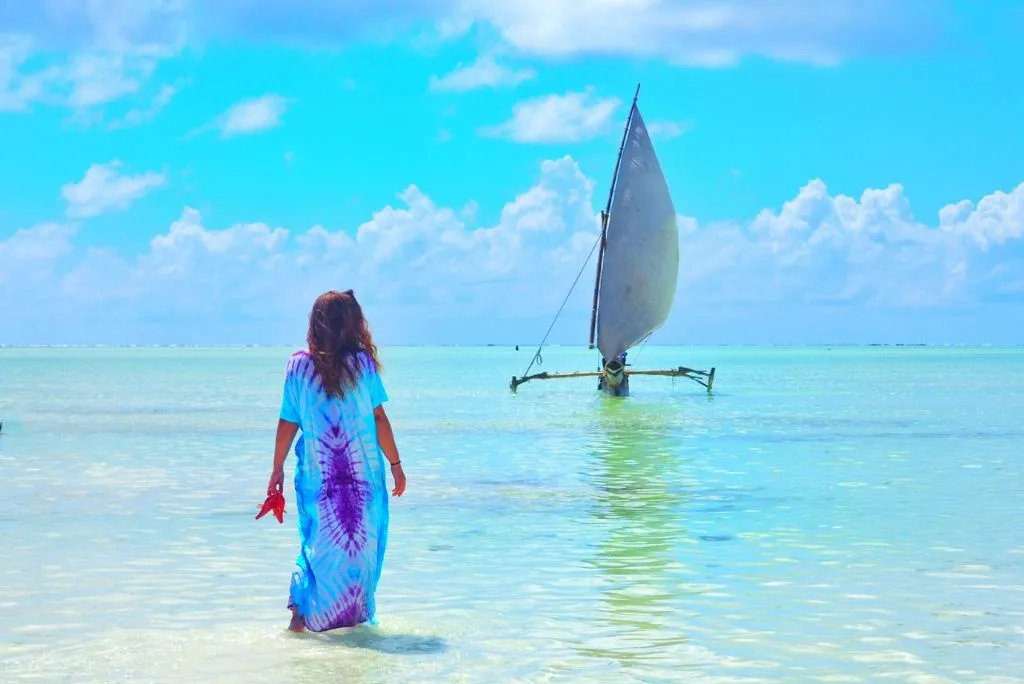
Pack lightweight, breathable fabrics such as linen and cotton, with at least a few items that cover your shoulders and knees for Stone Town, the spice farms, and any village visits. A light scarf or sarong works well for women who want a quick, easy way to cover up between the beach and town.
Reef safe sunscreen matters here more than on a typical beach trip, given how much of the coastline sits within protected marine parks. Water shoes are genuinely useful too, since sharp coral and occasional sea urchins make bare feet in shallow water a real, if minor, risk.
A dry bag protects phones and cameras on dhow cruises and snorkelling trips, and a basic mosquito repellent with DEET is worth packing for evenings, even though malaria risk on the island itself is considerably lower than on the Tanzanian mainland.
Top Things to Do in Zanzibar
Explore Stone Town
Give Stone Town a full day at minimum. The Old Fort, the House of Wonders, the Anglican Cathedral built on the site of the former slave market, and the endless carved wooden doors down side streets each tell a different part of the island’s layered history. The evening food market at Forodhani Gardens is not to be missed, and the Freddie Mercury Museum, dedicated to Zanzibar’s most famous son, has become a genuine highlight for visitors of every age.
Take a Spice Tour
Zanzibar earned the nickname Spice Island for good reason, and a half day tour through a working spice farm remains one of the most popular excursions for a reason. You will see and smell cloves, cardamom, vanilla, cinnamon, and black pepper growing in their raw form, usually followed by a traditional Swahili lunch.

Sunset Dhow Cruise
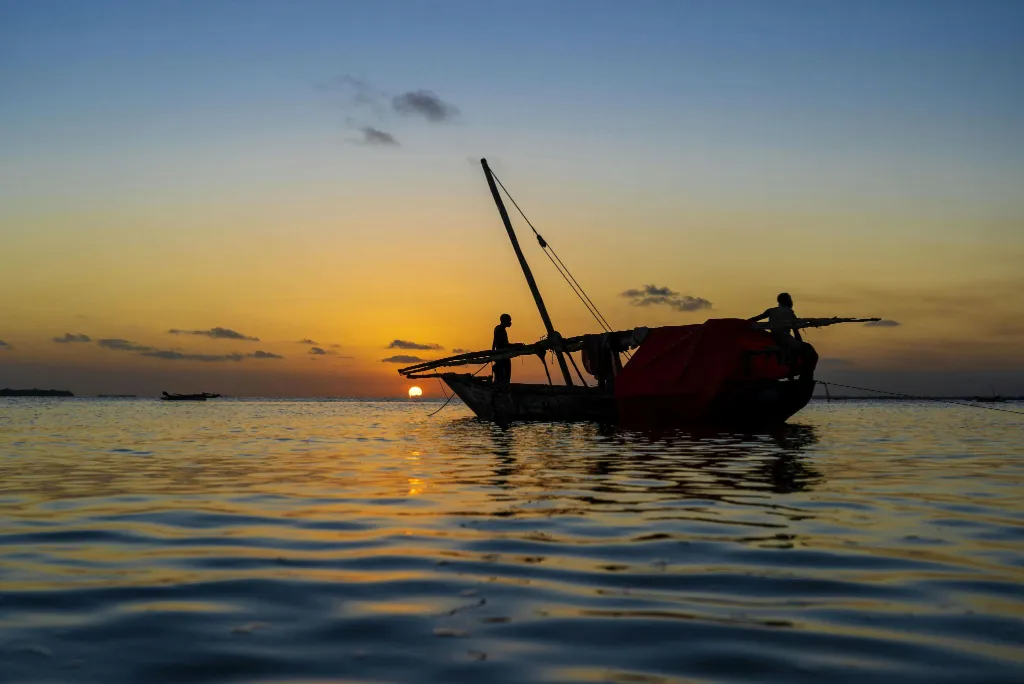
Traditional wooden dhows set sail from Stone Town’s waterfront most evenings, and a sunset cruise with drinks and light snacks is one of the more romantic, low effort things to do on the island. The view of Stone Town receding into the evening light is worth the trip on its own.
Snorkel or Dive Mnemba Atoll and Chumbe Island
Mnemba Atoll, off the northeast coast, is widely regarded as the best snorkelling and diving site on the island, with pristine coral and consistently good visibility. Chumbe Island Coral Park to the south protects some of the best preserved reef in East Africa and pairs a guided snorkel with a visit to a historic lighthouse.
Visit Jozani Chwaka Bay National Park
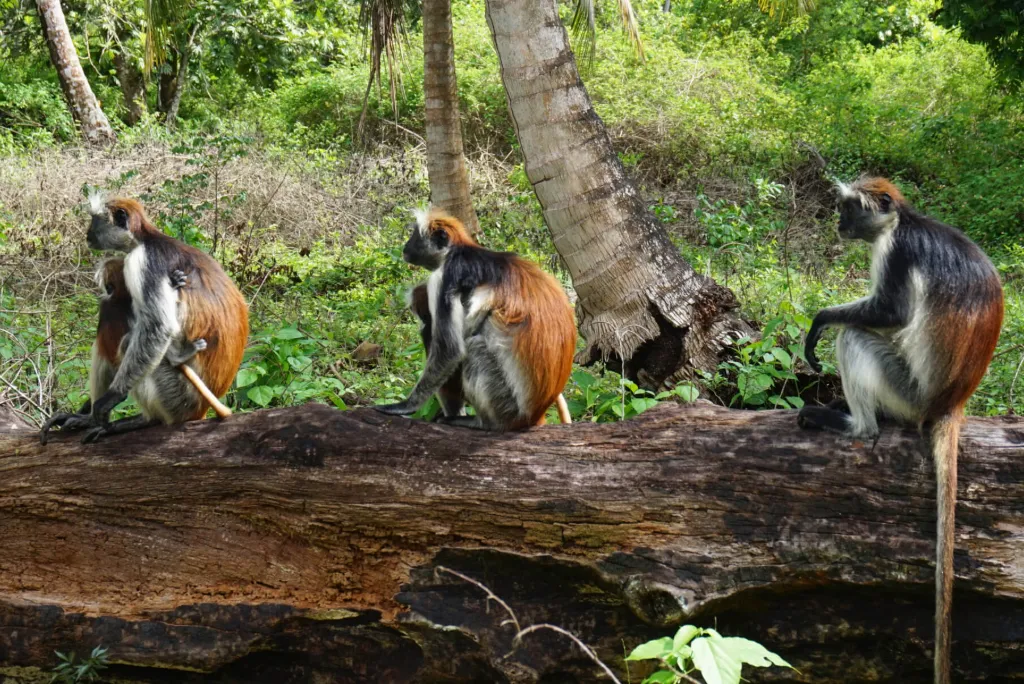
Jozani is Zanzibar’s only national park and the sole natural habitat on Earth for the endangered red colobus monkey. A boardwalk trail also winds through mangrove forest along Chwaka Bay, and keen birders will find the park rewarding well beyond the monkeys.
Prison Island and the Giant Tortoises
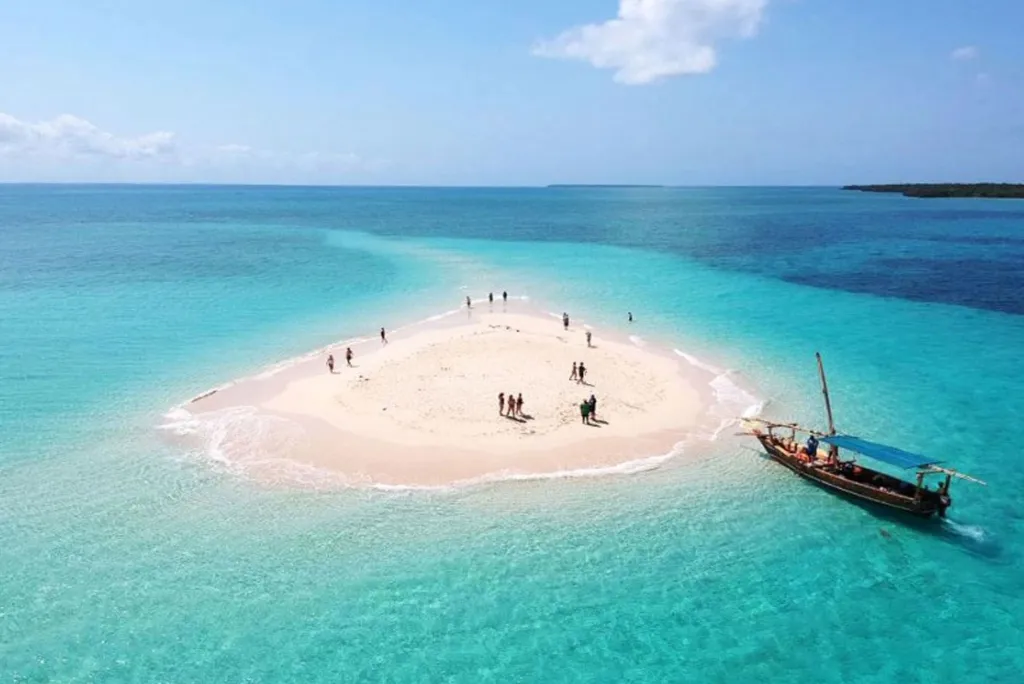
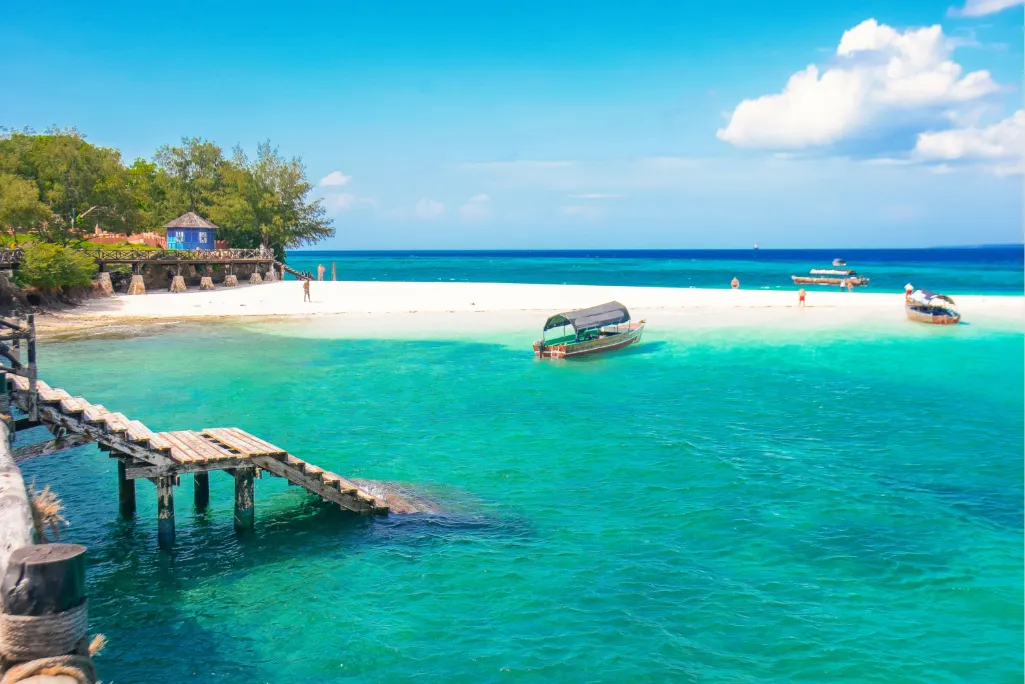
A short boat ride from Stone Town, Prison Island, also known as Changuu, was built as a holding site during the era of the slave trade and today is best known for its colony of Aldabra giant tortoises, some well over a century old. Many trips pair the island with a stop at Nakupenda, a sandbank that appears and disappears with the tide.
Swim With Dolphins at Kizimkazi
Kizimkazi on the southwest coast is one of the few places in the world where encountering wild dolphins in open water is genuinely reliable. Choose your operator carefully here. Responsible tours keep a respectful distance and limit the number of boats around any pod at one time, while irresponsible ones crowd the animals for a better photo. We only work with operators who follow the former approach.
Other Things to do in Zanzibar you shouldn’t skip
Pemba Island
Pemba, roughly a thirty minute flight from Unguja, is Zanzibar’s quieter, hillier sibling and is regarded by serious divers as one of the finest diving destinations in the entire Indian Ocean thanks to its dramatic wall dives and largely untouched reef. Very few standard itineraries include it, which is exactly why the travelers who do go come home with stories nobody else has.
Michamvi Peninsula
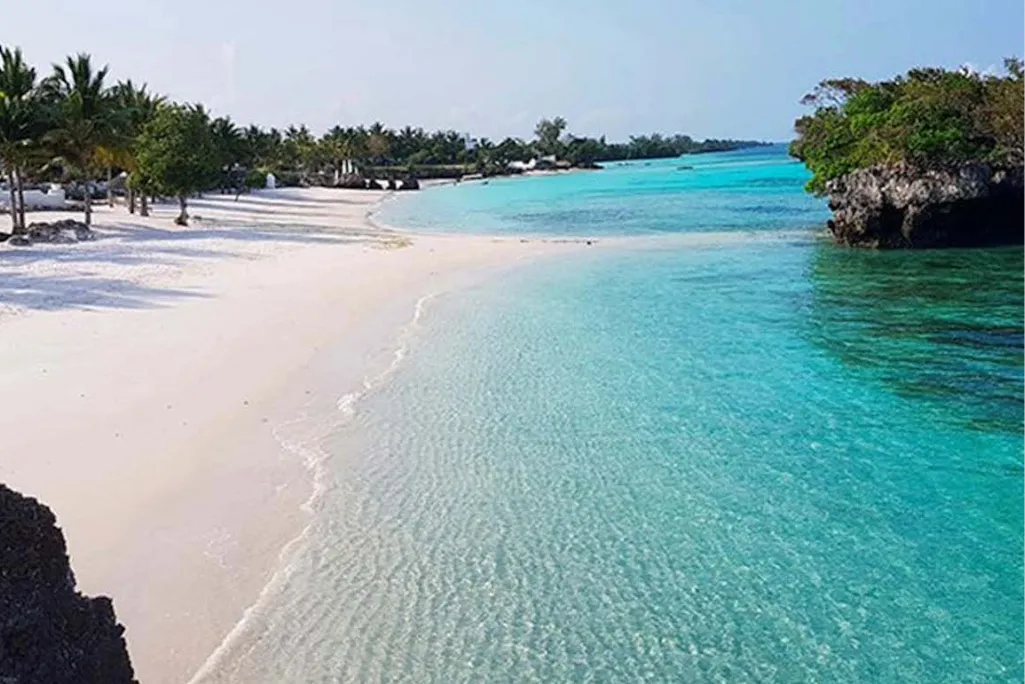
Just north of Paje, the Michamvi Peninsula offers some of the calmest water on the east coast, since it is partially sheltered from the tidal extremes that affect Paje and Jambiani directly. It remains far less developed than Nungwi, making it a genuine find for travelers who want an east coast base without the tide restrictions.
Kuza Cave and the South Coast
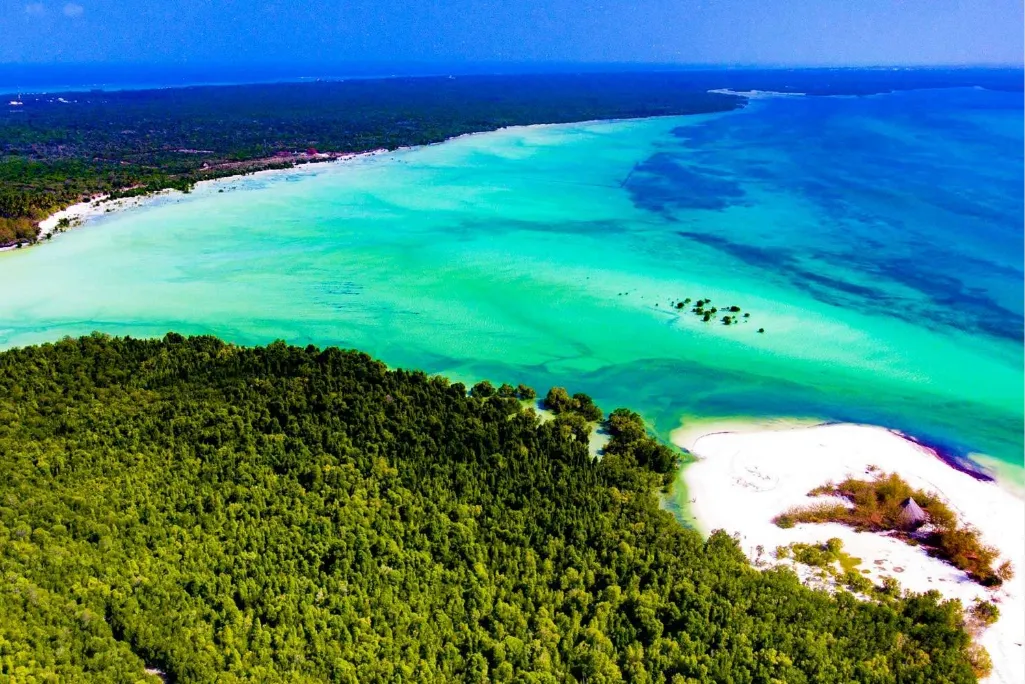
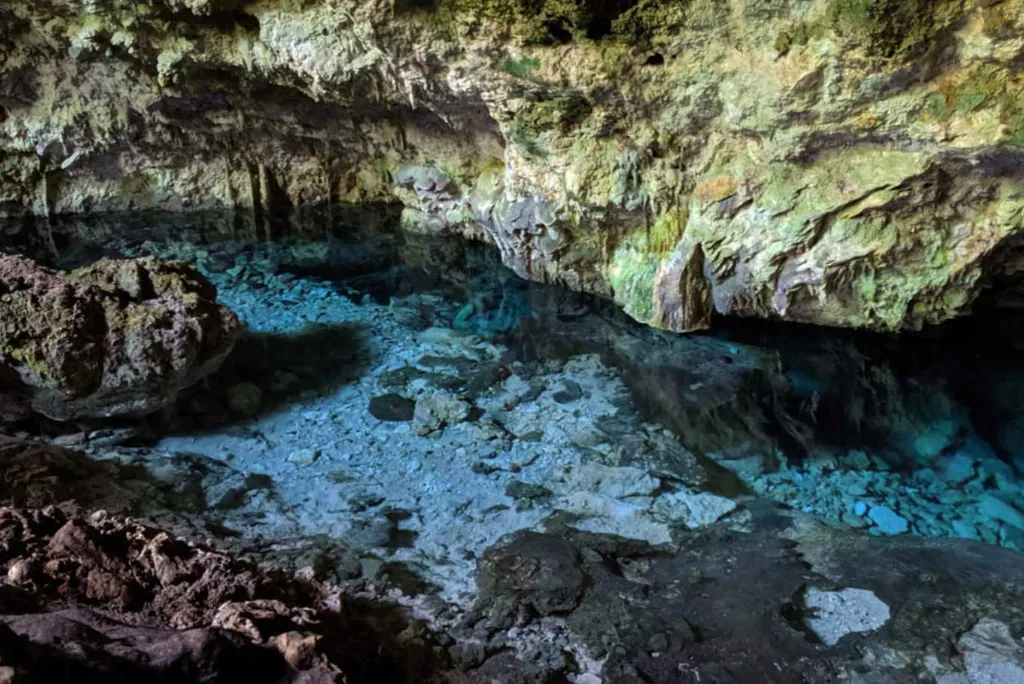
In the south of the island, several natural limestone caves hold crystal clear turquoise pools fed by underground springs. Swimming inside one of these caves, ringed by garden and forest above, is a genuinely different experience from anything the open coast offers.
Ngezi Forest, Pemba
For travelers who make it to Pemba, Ngezi Forest protects one of the last remnants of ancient coastal forest in East Africa, home to species found nowhere else on the archipelago. It receives a fraction of the visitors Jozani does on the main island.
Marine Life and Wildlife in Zanzibar
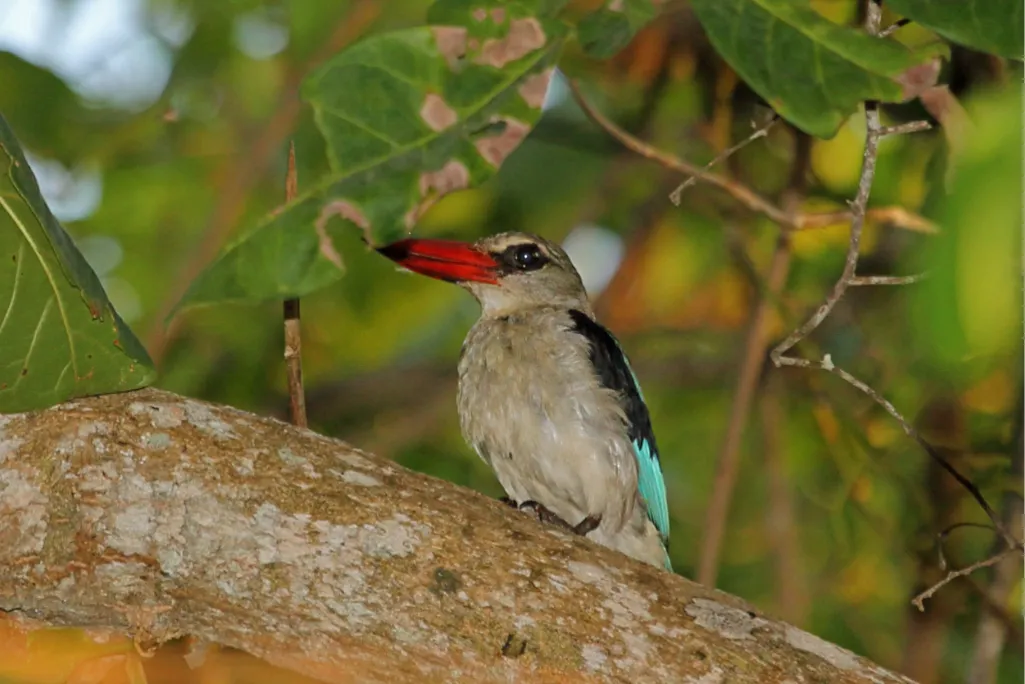
Zanzibar’s wildlife story is largely a marine one. The surrounding reef systems support an exceptional range of tropical fish, sea turtles, and reef sharks, and the waters around Mnemba and Kizimkazi hold resident pods of Indo Pacific bottlenose and humpback dolphins.
Further south, the Mafia Archipelago is one of the most reliable places on Earth to snorkel alongside whale sharks, generally between October and March. On land, the endangered red colobus monkey found only in Jozani Chwaka Bay National Park remains the island’s signature species, alongside smaller populations of blue monkeys, bushbabies, and duikers in the surrounding forest.
Zanzibar for Honeymoons
Zanzibar sits comfortably among the best honeymoon destinations in East Africa, and for couples combining a Kenya or Tanzania safari with beach time, it is very often the second half of the trip that people talk about most when they get home.
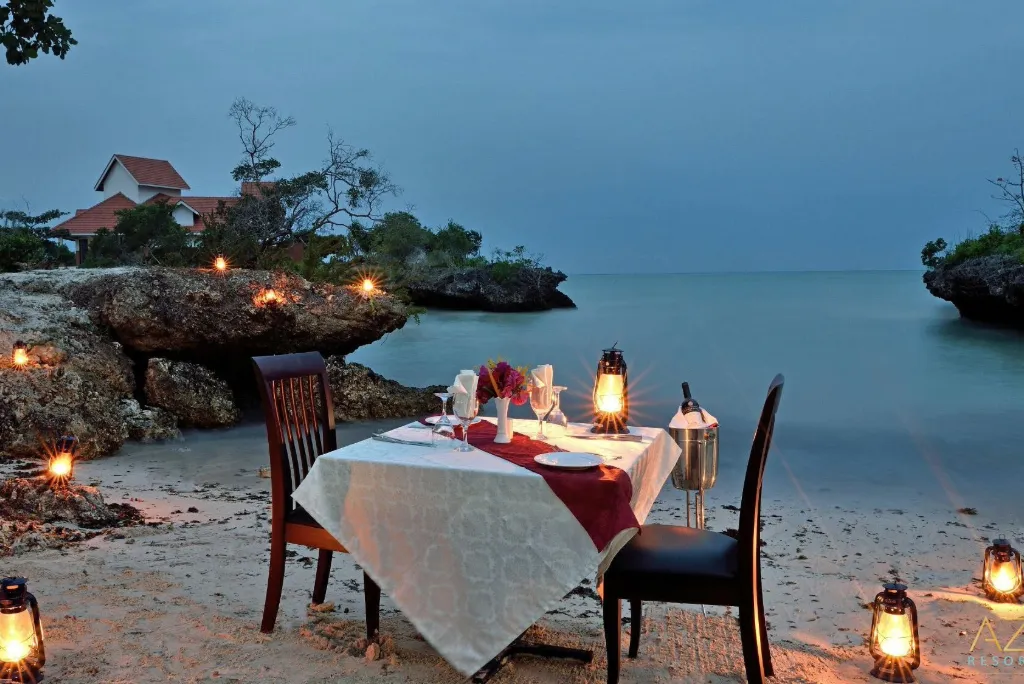
Several of the island’s most celebrated properties are built specifically around privacy and romance, from intimate villa only resorts on the east coast to beachfront suites in Kendwa with dedicated butler service. Sunset dhow cruises, private beach dinners, and spa treatments overlooking the Indian Ocean are easy to arrange almost everywhere on the island.
Our advice for honeymooning couples is simple: choose the north coast at Kendwa if you want calm, swimmable water at any hour without planning around tides, and choose the east coast at Paje or the Michamvi Peninsula if a quieter, more local atmosphere matters more to you than swimming schedules.
Zanzibar Entry Requirements: Visa, Insurance, and Health
Visa
Zanzibar falls under Tanzanian immigration, so most nationalities need a standard Tanzania visa, obtainable in advance through the official Tanzania e-visa portal or on arrival for many nationalities. Apply at least a few weeks ahead where possible, and only ever use the official government portal rather than third party sites.
Mandatory Inbound Travel Insurance
Since October 2024, every non resident visitor to Zanzibar has been required to hold Inbound Travel Insurance issued by the Zanzibar Insurance Corporation, priced at 44 US dollars per adult and valid for up to 92 days. This is separate from, and does not replace, your own comprehensive travel insurance, and entry can be refused without it, so purchase it through the official Zanzibar government insurance portal before you travel.
Health and Vaccinations
No vaccinations are strictly mandatory to enter Zanzibar, though a yellow fever certificate is required if you are arriving from a country with risk of transmission, which matters for most travelers combining the island with a Kenya or mainland Tanzania safari. Malaria risk on Zanzibar itself is meaningfully lower than on the mainland, but it is not zero, so prophylaxis and a good repellent are still worth packing.
Is Zanzibar Safe to Visit
Zanzibar is a genuinely safe destination for travelers, and tourism remains the backbone of the local economy, which gives the island a strong incentive to keep it that way. As with any popular destination, petty theft such as pickpocketing can occur in crowded markets and beach areas, so keep valuables secured and avoid displaying cash or jewellery.
Violent crime against tourists is rare. Standard precautions apply: avoid walking alone on quiet beaches or streets after dark, use your hotel safe, agree on taxi fares before you get in, and only use licensed taxis, identifiable by red number plates.
As with any international destination, it is worth checking your home country’s current travel advisory before departure for the latest official guidance, since conditions and advisories can change.
Tap water is not safe to drink anywhere on the island, so stick to bottled or properly filtered water throughout your stay, including for ice in drinks unless you are at a reputable resort with its own filtration system.
How to Choose a Reputable Zanzibar Operator
The quality of a Zanzibar trip depends heavily on who is arranging your excursions, particularly for anything involving marine wildlife.
Dolphin and Marine Tours
Ask directly how many boats an operator allows around a single dolphin pod at once and how close they permit approach. Responsible operators limit both. If a company cannot answer clearly or seems focused purely on guaranteeing a close encounter, choose a different one.
Diving Operators
Confirm PADI or equivalent certification for any dive centre, and ask specifically about their approach to reef conservation, since Zanzibar’s reefs are a genuine ecological asset and not every operator treats them with equal care.
An Honest Note on What to Skip
Not every popular Zanzibar activity is worth your time. Beach vendors and so called beach boys will approach you constantly on the busier stretches of Nungwi, Kendwa, and Paje offering tours, boat trips, and souvenirs at inflated prices with no real credentials behind them. A polite, firm decline is enough, and booking activities through your operator or a reputable local company in advance avoids the issue entirely.
We would also gently steer clients away from any dolphin tour that promises a guaranteed swim regardless of the animals’ behaviour that day. That guarantee usually means the boats are crowding the pod, and it is not something we book for our guests.
Frequently Asked Questions
How many days do you need in Zanzibar?
Five days gives you a genuine taste of the island, seven to ten days lets you properly combine Stone Town with two different coastal areas, and four to five nights is the ideal length if you are adding Zanzibar onto the end of a Kenya or Tanzania safari.
What is the best time to visit Zanzibar?
June through September offers the most reliable dry, warm weather and lines up with peak safari season on the mainland. October through January is a quieter, still excellent alternative with lower prices, while February through May brings the best diving conditions early on and the cheapest, rainiest stretch of the year from mid March onward.
Is Zanzibar safe for solo female travellers?
Yes, with the same common sense precautions that apply anywhere: dress modestly in Stone Town and the villages, stay aware of your surroundings, avoid isolated areas after dark, and keep valuables secured. Many solo female travellers report feeling comfortable exploring Stone Town and the main coastal areas during the day and early evening.
Do I need a visa for Zanzibar?
Yes, since Zanzibar falls under Tanzanian immigration. Apply for the Tanzania e-visa online in advance through the official government portal, and remember that Zanzibar’s mandatory Inbound Travel Insurance is a separate requirement on top of the visa.
Can I combine Zanzibar with a Kenya safari?
Yes, and it is one of our most requested combinations. Flights between Nairobi and Zanzibar take a little over an hour, and the timing works particularly well between June and October, when both the Masai Mara migration and Zanzibar’s dry season overlap.
Which coast is best for a honeymoon?
Kendwa on the north coast suits couples who want calm, swimmable water at any hour and a livelier resort atmosphere, while Paje and the Michamvi Peninsula on the east coast suit couples who prioritise quiet and privacy over convenience.
Lets Plan Your Zanzibar
Whether Zanzibar is the finale to a Kenya safari, a Tanzania migration trip, or a standalone island escape, we build every itinerary around how you actually want to spend your days on the island, not a fixed package. Reach out to our team and we will put together a Zanzibar trip, with or without a safari attached, that fits exactly what you are looking for.