




Tanzania Safari Destinations did not just win Africa’s top tourism award this year. Tanzania won the World’s Leading Safari Destination title at the 2025 World Travel Awards, beating every safari country on the planet, not just the continent. The Serengeti went further still, taking World’s Leading National Park over Kruger in South Africa and Yellowstone in the United States, two parks most people would have bet on first.
That is the headline. Here is the part almost nobody visiting for the migration ever hears about.
Ruaha National Park, twice the size of the Serengeti and visited by a fraction of the people, was named Africa’s Leading Cultural National Park the same year. Nyerere National Park, formerly the Selous, took Africa’s Leading Scenic National Park. And the Kitulo Plateau, a highland meadow so thick with wildflowers that locals call it the Garden of God, was crowned Africa’s Leading Honeymoon Destination, a title most travelers booking their first Tanzania trip have genuinely never heard of, let alone considered.
So the country holding the world’s top safari title is not one famous park carrying the whole reputation. It is a place where the parks nobody talks about are winning awards of their own, quietly, while everyone else is looking at the Serengeti.
A Tanzania Safari built with that full picture in mind, not just the migration everyone already knows about, is what we put together at Africa Bed of Roses Safaris for every client. This guide covers what we tell every client before they book: when to go, where to go, what it costs, what to pack, and how to choose a guide who makes the difference between a good trip and an extraordinary one.
Where is Tanzania and How Do You Get There
Tanzania sits on the eastern coast of Africa, sharing borders with Kenya and Uganda to the north, Rwanda, Burundi, and the Democratic Republic of Congo to the west, and Zambia, Malawi, and Mozambique to the south. It is a large country, roughly 945,000 square kilometres, and the size of it matters enormously when you start planning where to go and how long to stay.
The country is well connected to both Africa and the rest of the world, and getting there is more straightforward than most first-time visitors expect. There are two main international airports worth knowing about.
Kilimanjaro International Airport (JRO)
This is the best entry point for anyone heading to the northern parks. Kilimanjaro Airport sits between the towns of Arusha and Moshi, roughly an hour from each, and from here you can reach the Serengeti, Ngorongoro Crater, Lake Manyara, and Tarangire without spending excessive time on the road. Arusha, a 45-minute drive from the airport, is the gateway city for most Tanzania safari tours and where the majority of operators are based.
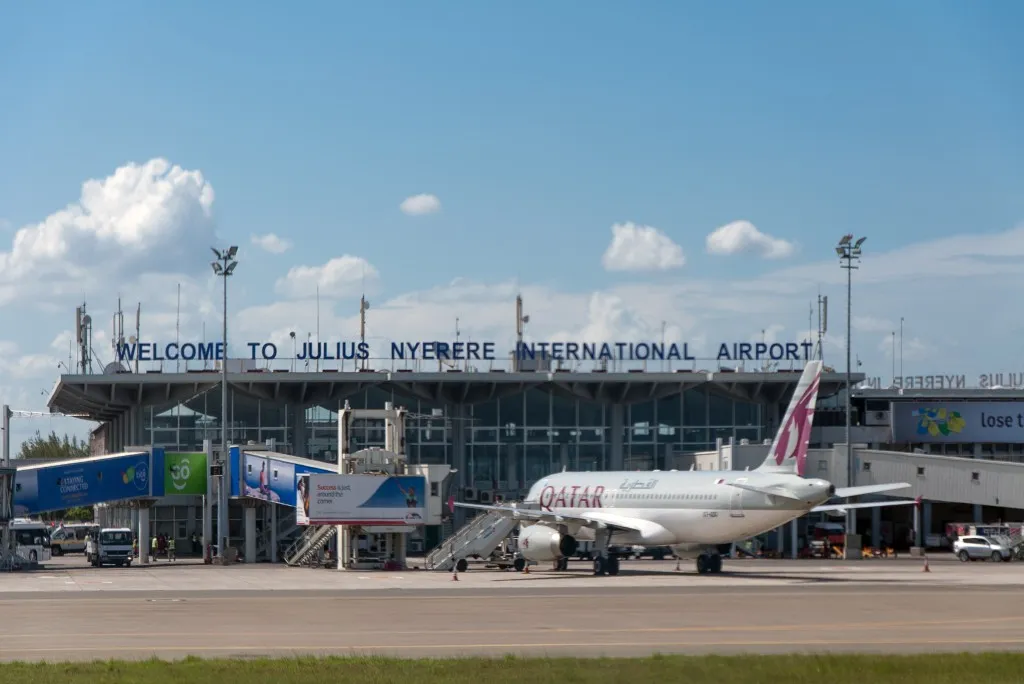
Julius Nyerere International Airport, Dar es Salaam (DAR)
Tanzania’s main hub handles more international connections and is a better arrival point for travellers heading to the Southern Circuit parks or flying directly to Zanzibar. From Dar es Salaam you can connect to domestic airstrips serving the Serengeti, Ruaha, Nyerere, and the islands.
Flying Via Nairobi
If you cannot find a direct connection to Tanzania, flying into Nairobi’s Jomo Kenyatta International Airport is a practical alternative. The road journey from Nairobi to Arusha takes around six hours and passes through the border town of Namanga. Many of our clients combine a Kenya When is the Best Time to Visit Tanzania for Safari
This is the question we receive more than any other. And the answer depends entirely on what you want to experience. Tanzania is a year-round safari destination, but the timing genuinely shapes what you see, how the landscape looks, how many other vehicles are around you, and what it costs.
When is the Best Time to Visit Tanzania for Safari
This is the question we receive more than any other. And the answer depends entirely on what you want to experience. Tanzania is a year-round safari destination, but the timing genuinely shapes what you see, how the landscape looks, how many other vehicles are around you, and what it costs.
The Dry Season: June to October
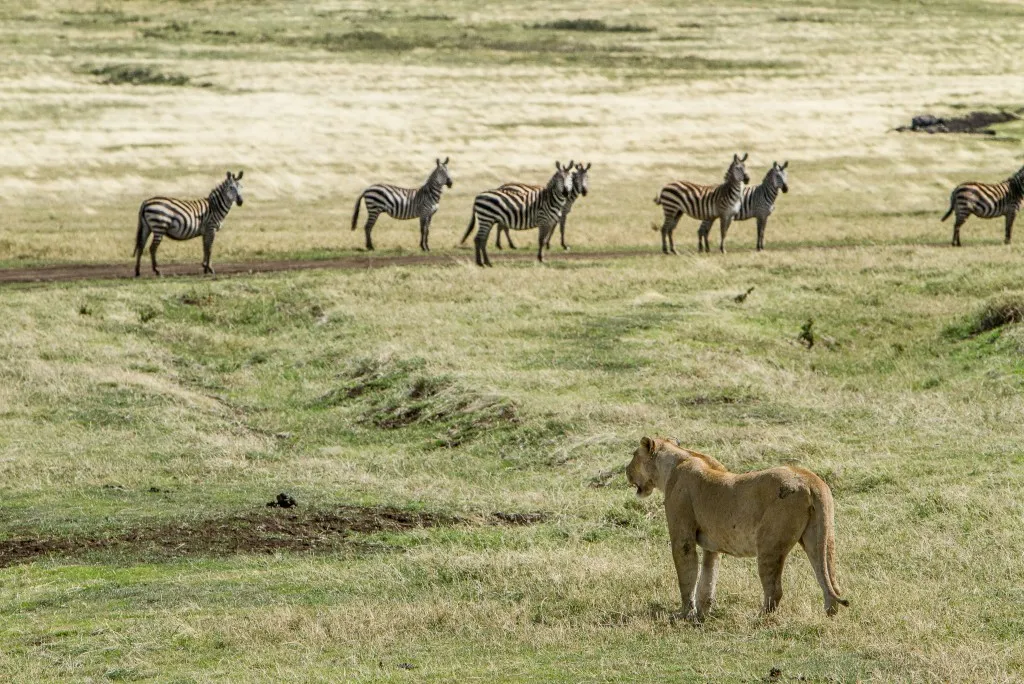
Peak safari season and for very good reason. As the rains disappear and the vegetation thins, animals concentrate around permanent water sources, making sightings more frequent and game drives more productive. The weather during this period is warm during the day and noticeably cool in the evenings and early mornings, which makes those 6am game drives considerably more comfortable than they sound.
July through October is also when the Great Migration river crossings take place in the northern Serengeti, which is one of the most dramatic wildlife events on the planet. If witnessing the Mara River crossings is on your list, this is the window to book.
The trade-off is straightforward: peak season means higher accommodation prices and more vehicles at popular sighting spots, particularly in the Serengeti. If you are planning a honeymoon safari or a milestone trip, book eight to twelve months ahead for this period. The best tented camps fill quickly.
The Green Season: November to March
The short rains run through November and into December. The long rains follow from March through May. But between these, January and February offer one of Tanzania’s most underrated safari experiences: calving season in the southern Serengeti.
Around 8,000 wildebeest calves are born every single day during peak calving. Predator activity during this period is extraordinary. Cheetah hunts, lion prides on the move, hyena clans working the edges of the herds. It is intense, intimate, and far less well-known than the river crossings, which means far fewer vehicles and a more private experience.
The green season is also significantly more affordable than peak season and the landscape looks completely different. Vivid and lush rather than golden and dusty. For couples who want privacy and value without compromising on wildlife, the green season deserves serious consideration.
Months to Approach Carefully
April and May bring the heaviest rains of the year. Some roads become genuinely difficult, a number of camps close for maintenance, and wildlife viewing becomes harder as animals spread out across the newly green landscape. If your dates fall in this window, shifting to late March or waiting until early June will serve you considerably better.
| Season | Months | What You Get | Best For |
| Peak dry | July to October | Migration crossings, great game viewing | First safaris, Migration |
| Shoulder | June, November | Good game viewing, fewer crowds | Value and quality |
| Green season | Jan to March | Calving, lush landscape, affordable | Couples, repeat visitors |
| Heavy rains | April to May | Quiet, some closures, tough roads | Budget only, plan carefully |
We have taken couples to the Serengeti in February and watched them come back saying it was the most extraordinary thing they have ever witnessed. Calving season is genuinely underrated and one of our favourite times to send people.
Where to Go in Tanzania: Northern and Southern Circuits
People ask us regularly: where is the best place to go on safari in Tanzania? The honest answer is that it depends on what kind of experience you are after. Tanzania has 22 national parks. These parks fall under the Tanzania National Parks Authority (TANAPA), the government body responsible for managing and conserving all of the country’s national parks. Most first-time visitors concentrate on the Northern Circuit, which is the most accessible and the most visited. But there is a whole other Tanzania that most tourists never see.
We divide Tanzania into two regions: the north and the south. Both offer completely different safari experiences. Understanding the difference will help you match your travel style with the right destination.
Tanzania’s North: The Northern Circuit
The north is where most visitors go and where most of the world’s famous images of Tanzania come from. The Northern Circuit sits within a relatively compact area, which means you can visit three or four major parks within a seven-day trip without spending all your time driving between them. That convenience, combined with the quality of the wildlife and the variety of landscapes, is what makes the north so consistently compelling.
The four main parks of the Northern Circuit are the Serengeti, Ngorongoro Crater, Tarangire, and Lake Manyara. Smaller parks including Arusha National Park and Kilimanjaro National Park sit nearby but are less commonly included in standard itineraries.
Serengeti National Park
The Serengeti is the centrepiece of any Tanzania safari and it earns that status completely. Nearly 15,000 square kilometres of open savannah, riverine woodland, and ancient granite kopje formations. Lions are genuinely everywhere. Leopards are reliably spotted along the Seronera River, often stretched across acacia branches with a kill hoisted safely above the reach of lions below. Cheetah cruise the short grass plains of the south. And at the right time of year, the Great Migration passes through in a way that makes everything else feel small.
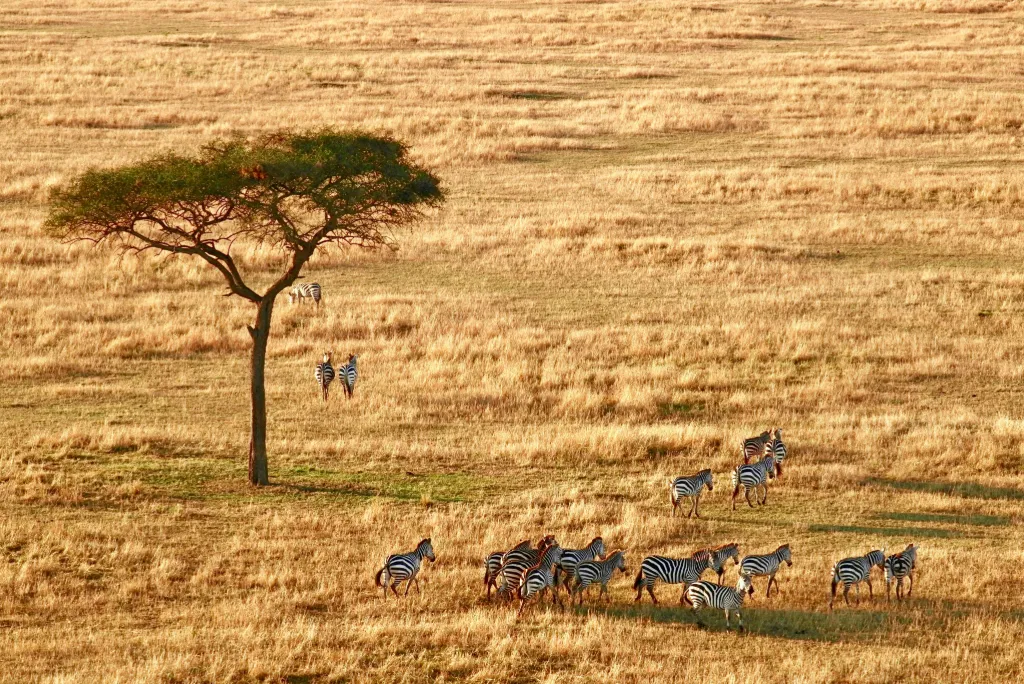
The park’s scale and migration are formally recognised in its UNESCO World Heritage listing, which describes the annual movement of over a million wildebeest as the largest unaltered animal migration left on earth.
Spend at least three nights here. One day does not come close to doing it justice. The park is vast and the wildlife spreads across it in ways that require time and patience to properly experience.
Ngorongoro Crater
A collapsed volcanic caldera and one of the Seven Natural Wonders of Africa. The Ngorongoro Crater is roughly 20 kilometres across at its widest point and shelters an extraordinary concentration of wildlife on its floor. The Big Five are all present. The crater holds one of the densest lion populations on the continent. Lake Magadi in the crater floor turns pink with flamingos. And black rhino, genuinely rare in Tanzania, can be spotted here with reasonable frequency.
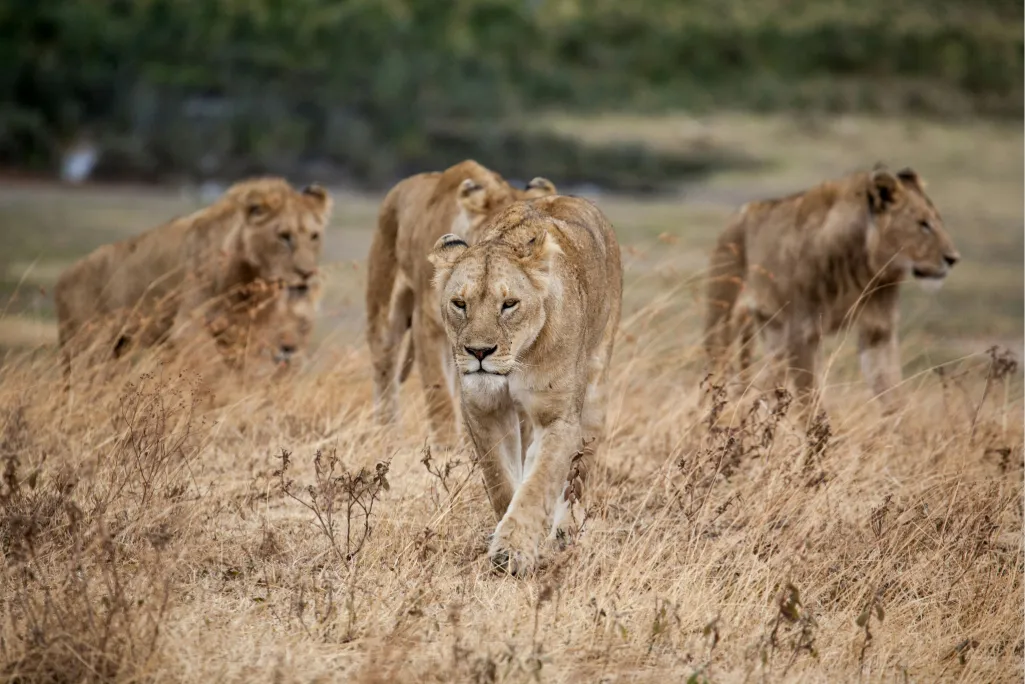
The Ngorongoro Conservation Area is recognised by UNESCO as a World Heritage Site for both its wildlife density and its role in early human history, including the Olduvai Gorge and the Laetoli footprints.
What makes the crater feel different from the open plains is the sense of being held inside something ancient and complete. The drive down the crater wall at dawn, mist hanging in the acacia trees, is one of the finest arrivals in African wildlife travel.
Tarangire National Park
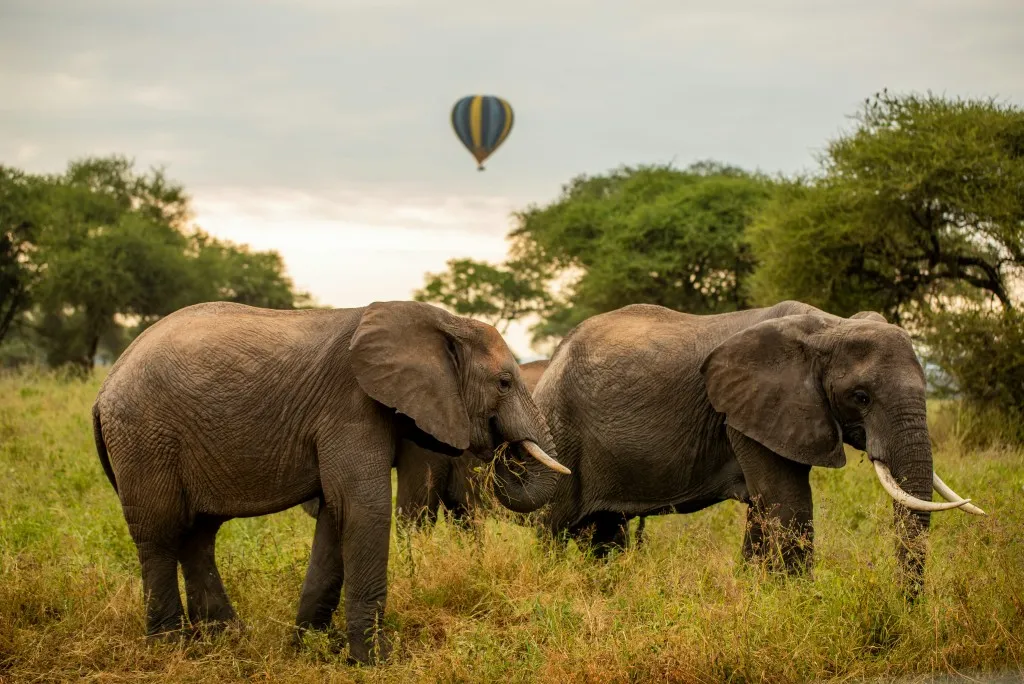
Tarangire is consistently underrated and we recommend it to every client without exception. The park is famous for two things: its ancient baobab trees, which give the landscape a prehistoric quality unlike anywhere else in Tanzania, and its elephant herds, which are among the largest and most relaxed in East Africa. During the dry season the Tarangire River draws animals from across the surrounding ecosystem and the concentration of wildlife can genuinely rival the Serengeti.
It is also significantly quieter than the headline parks, which makes it an excellent choice for couples who want more privacy on their game drives.
Lake Manyara National Park
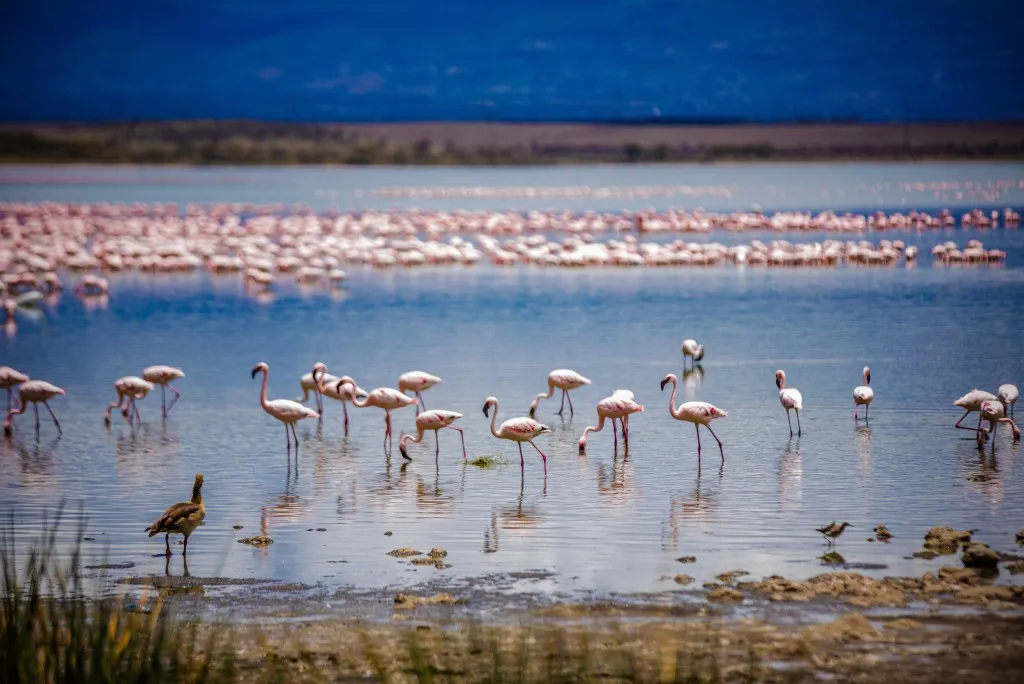
Lake Manyara is compact but consistently surprising. The park sits between the dramatic Rift Valley escarpment and a shallow alkaline lake that turns vivid pink with flamingo flocks between November and April. It is one of the few places in Africa where lions have been documented resting in the upper branches of acacia trees, a behaviour researchers still do not fully understand and one that is rarely observed elsewhere on the continent.
The tree-top walkway at Lake Manyara is also worth mentioning. A suspended bridge through the forest canopy at around 18 metres above the ground, it gives you a genuinely unusual perspective on the park and a welcome stretch of the legs between game drives.
| Park | Recommended Nights | Best For | Peak Season |
| Serengeti | 3 to 5 nights | Big Five, Migration, scale | Year-round |
| Ngorongoro Crater | 1 to 2 nights | Dense wildlife, rhino, Big Five | Year-round |
| Tarangire | 2 nights | Elephants, baobabs, birding, quiet | June to October |
| Lake Manyara | 1 to 2 nights | Flamingos, tree-climbing lions | November to April |
Our Recommended Tanzania Safari Route
Many travellers ask us to suggest a practical sequence for visiting the northern parks. Here is the route we recommend most often, starting from Arusha, which is easy to reach from both Kilimanjaro and Nairobi airports.
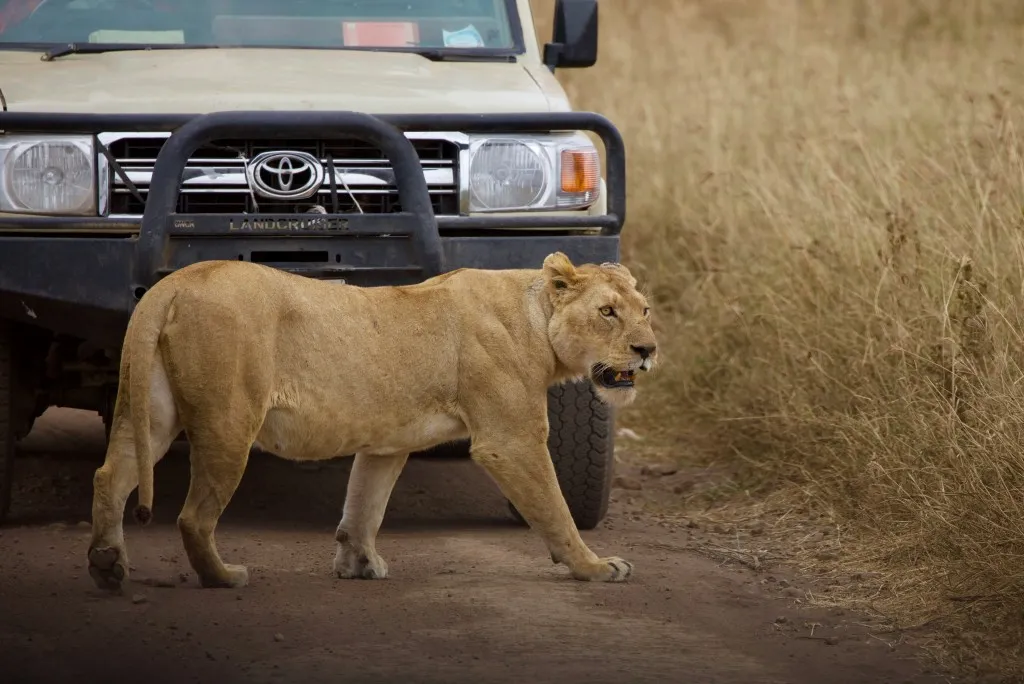
Begin in Arusha. Take a day to settle, meet your guide, and go over your itinerary before heading into the parks. Rushing straight from an international flight into a game drive is possible but not ideal.
Head to Lake Manyara first. The drive from Arusha takes around two hours and the park makes an excellent introduction to Tanzania wildlife. You will see your first wild animals here: baboons along the escarpment road, hippos wallowing at the lake edge, birds in the forest canopy. If you visit between November and April the flamingo flocks on the lake are something you will not forget quickly.
From Lake Manyara, move towards Ngorongoro. En route, consider stopping at Tarangire if your schedule allows. The detour adds time but the baobab landscape and elephant herds make it genuinely worthwhile, particularly during the dry season when the Tarangire River is the only water in a wide radius.
Spend a night on the crater rim before your descent. The view from the rim at dusk, looking down into the caldera as the mist rises, is one of those Tanzania moments that stays with people long after they come home.
Then the Serengeti. This is where the trip changes character. The plains open up and the scale of the place settles over you gradually over two or three days of game drives. Three nights is the minimum. Five nights gives you the space to really absorb it.
The clients who come back most satisfied are not always the ones who saw the most animals. They are the ones who stayed long enough in each place to stop looking and start noticing. Tanzania rewards patience more than any other destination we work with.
How Long Should You Stay in Tanzania
Tanzania is roughly 945,000 square kilometres. It is about four times the size of the United Kingdom and contains 22 national parks spread across dramatically different landscapes. Getting around takes time. This matters when you start building an itinerary.
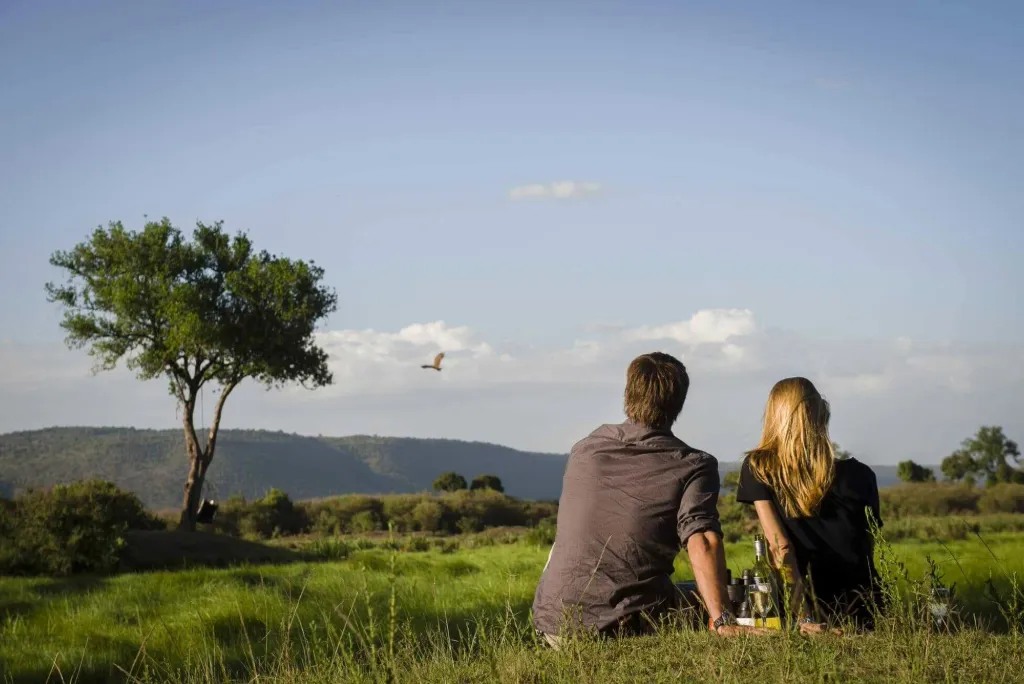
Seven nights is the minimum we recommend for a Tanzania safari that covers the Northern Circuit meaningfully. This gives you enough time in the Serengeti, a full day in Ngorongoro, and at least one more park without feeling like you are constantly in transit.
Ten to fourteen nights opens the trip up considerably. You can cover the northern parks properly, add a Zanzibar extension for beach time, or venture into the Southern Circuit without compressing either experience. For couples on a honeymoon safari, ten to twelve nights is the structure we plan most often. A few days in the bush followed by four or five nights in Zanzibar is one of the finest East Africa itineraries available and the contrast between the Serengeti and the Indian Ocean is extraordinary.
If you only have a day or two, it is still worth going. From Kilimanjaro Airport you can reach Lake Manyara, Tarangire, or the Ngorongoro Crater for a one or two-day mini safari. From Dar es Salaam, Mikumi National Park sits about four to six hours away by road and holds four of the Big Five. Even a short time in these parks is more wildlife than most people see in a lifetime.
| Trip Length | What It Covers | Best For |
| 5 to 6 nights | Northern Circuit highlights | Short breaks, first safari |
| 7 to 9 nights | Full Northern Circuit | First-time Tanzania visitors |
| 10 to 12 nights | Northern Circuit plus Zanzibar | Honeymoon and anniversary couples |
| 12 to 16 nights | North plus Southern Circuit | Repeat visitors, serious wildlife |
| 16 nights plus | Full Tanzania exploration | Deep exploration, combined itineraries |
Is Tanzania Expensive to Visit
Tanzania is not a budget destination and it is worth being clear about that before you start planning. The country charges significant conservation and park entry fees, particularly in the Serengeti and Ngorongoro Conservation Area. These fees exist for good reason: they fund the protection of some of the most important wildlife habitats remaining on earth. But they do add up quickly, especially across a multi-park itinerary.
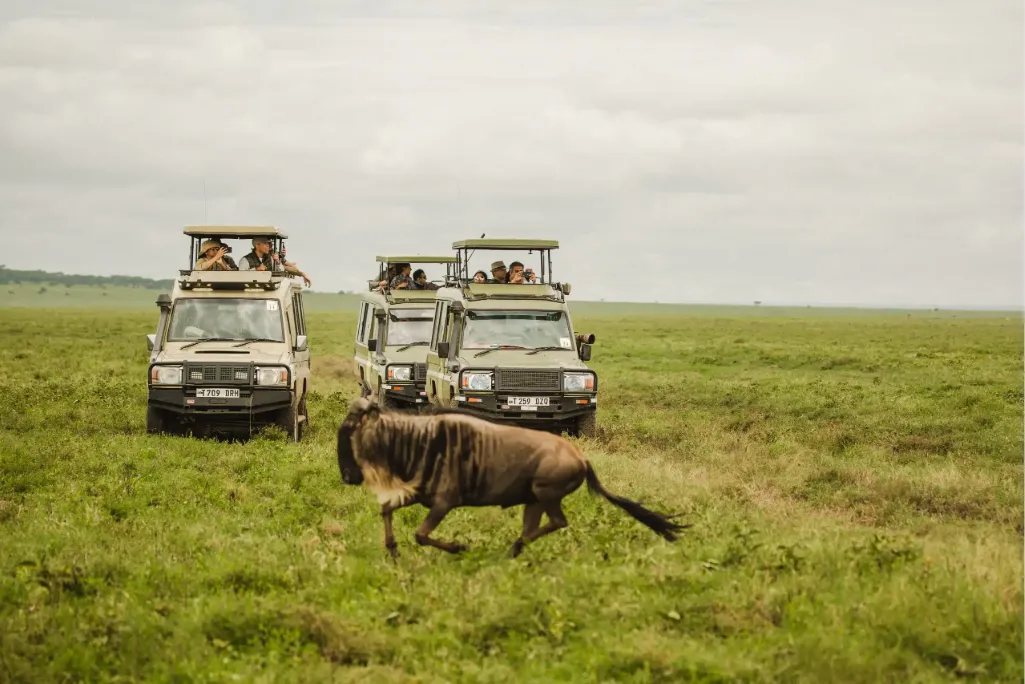
The first time we went on safari in Tanzania with a group tour, the low price was appealing. Twelve people in a shared van, shared accommodation, shared game drives. You move at the pace the group allows rather than the pace the wildlife dictates. For a first experience it can work fine. But having seen both sides now, we would not recommend a group tour for a honeymoon or any trip where the quality of the experience matters more than the cost of it.
What Drives the Cost
- Park entry and conservation fees, which can reach several hundred US dollars per person per day in the northern parks
- Accommodation, ranging from basic tented camps to ultra-luxury lodges at over USD 1,500 per person per night
- Private vehicle and guide fees, which make an enormous difference to the quality of your game drives
- Domestic flights if you are moving between parks quickly or heading to the Southern Circuit
- Zanzibar extensions, which add accommodation, ferry or flight costs, and transfers
- Tipping for guides and camp staff, which is customary and important to budget for
Private Safari vs Group Tour
Private safaris in Tanzania typically start at around USD 400 to 500 per person per day at entry level, rising to USD 800 to 1,500 per person per day for luxury camps and lodges. This is a significant investment. What you get for it is your own vehicle and guide, complete flexibility over your daily schedule, unobstructed views from the vehicle, and the ability to stay at a sighting as long as you want without a group vote.
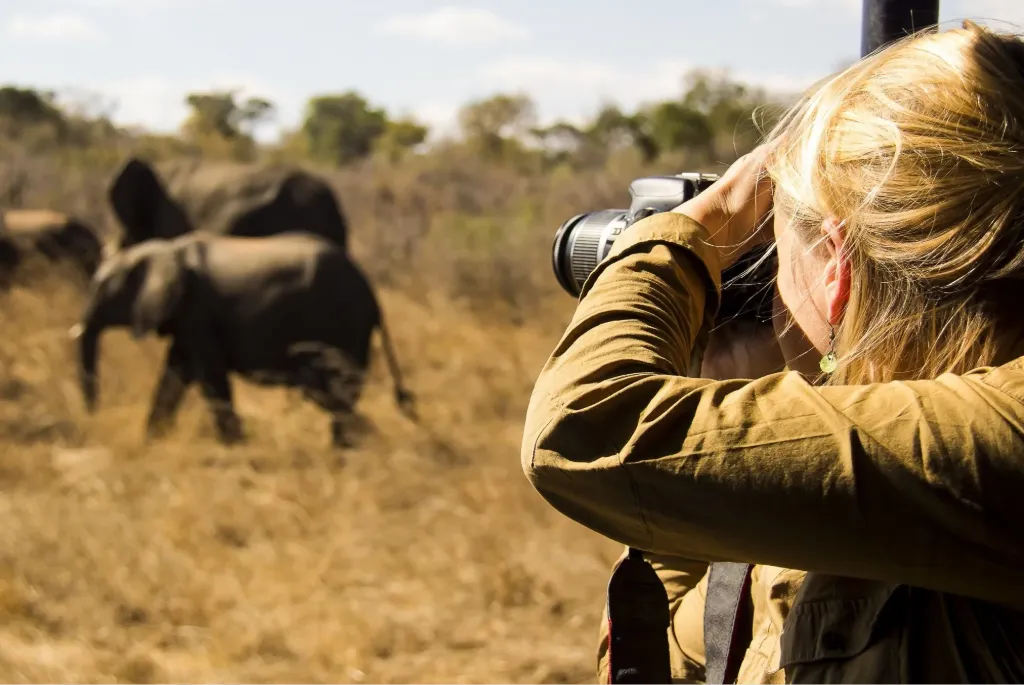
For couples, the private vehicle is not just a comfort upgrade. It is genuinely a different kind of safari. Sitting quietly at a waterhole with your partner and your guide while elephants move in at dusk, without another vehicle in sight, is a different experience from doing the same thing surrounded by twelve strangers from a group tour.
We always tell our clients the same thing: Tanzania is one of those rare places where spending more genuinely changes what you experience. The difference between a shared vehicle and a private guide is not just comfort. It is access to moments you simply cannot manufacture on a group tour.
What to Pack for a Tanzania Safari
Packing for a Tanzania safari is different from packing for most trips. Luggage space on small bush planes is limited. Dust is a constant companion on dry-season game drives. And comfort matters considerably more than appearance when you are sitting in an open vehicle at dawn in the middle of the Serengeti.
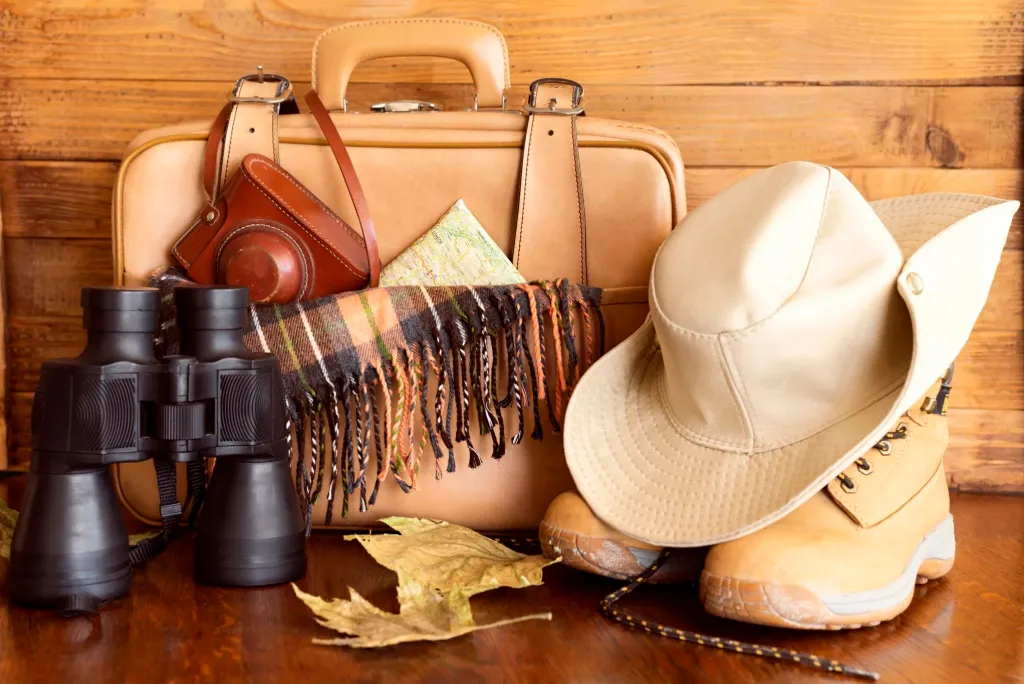
What you pack depends a great deal on when you are going. The dry season calls for warmer layers in the mornings and evenings. The green season needs a waterproof shell and quick-dry fabrics. But a few things stay constant regardless of the time of year.
Clothing
- Lightweight, neutral-coloured clothing in khaki, olive, beige, and grey for all game drive days
- Avoid black and dark navy entirely, as these colours attract tsetse flies which have a genuinely painful bite
- At least one warm layer for early morning game drives, which start before sunrise and can be cold even in warm months
- A waterproof jacket if visiting during the green season or shoulder months
- Comfortable closed-toe shoes for bush walks and cultural visits
- A wide-brimmed sun hat for afternoon drives
- A light scarf or buff for dust on dry-season game drives
Health and Safety Essentials
- Comprehensive travel insurance with medical evacuation cover included. This is not optional in Tanzania. The parks are remote and the nearest hospitals are far away. If something happens in the Serengeti, you need a plane, not an ambulance
- Malaria prevention medication, prescribed by your doctor well before departure
- Yellow fever vaccination certificate, required for entry from certain countries
- Insect repellent with DEET for evenings at camp and any bush walks
- High-SPF sunscreen
- A basic first aid kit for minor ailments
- Bottled water only throughout your trip. Avoid tap water and ice in any drinks outside of high-end camps and lodges
Gear and Equipment
- Binoculars, the single most useful item on any game drive. Do not underestimate this
- A camera with a long zoom lens. Wildlife does not cooperate with short focal lengths
- A portable power bank, as many tented camps run on solar and limit electricity hours
- Dust bags for any camera or electronics. Dry-season game drives through the Serengeti generate serious dust
- Soft-sided luggage only if you are flying on small bush planes, which have strict bag size and weight limits. Most allow around 15kg in a soft bag
- A journal. People who travel to Tanzania often find they want to write things down. The experiences are worth recording
Top Tanzania Excursions and Things to Do
A Tanzania safari is built around game drives and rightfully so. But the country offers a long list of experiences that sit alongside the parks and add genuine depth and variety to a trip. These are the excursions we recommend most often to our clients.
Hot Air Balloon Over the Serengeti
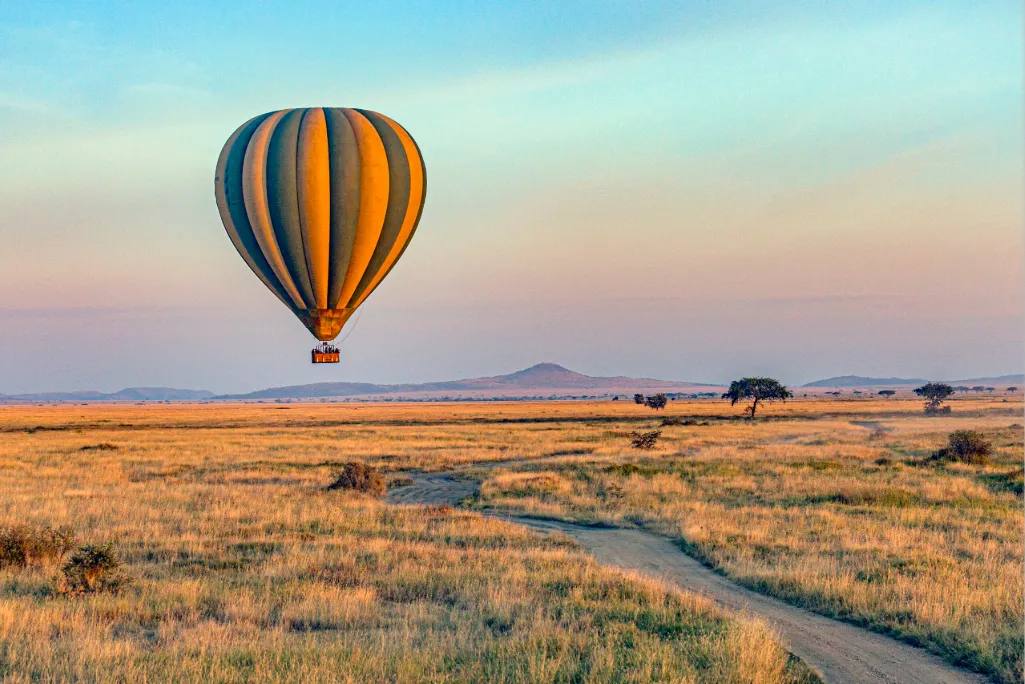
This is the excursion that guests mention most often when they come home. You lift off before sunrise in silence, drift above the plains as the light shifts from grey to gold, and watch animals move below you in a way that no vehicle can replicate. Most flights end with a champagne breakfast served in the bush, which is a genuinely memorable way to spend a morning in the Serengeti. It costs around USD 500 per person. It is worth every cent.
Ngorongoro Crater Rim Walk
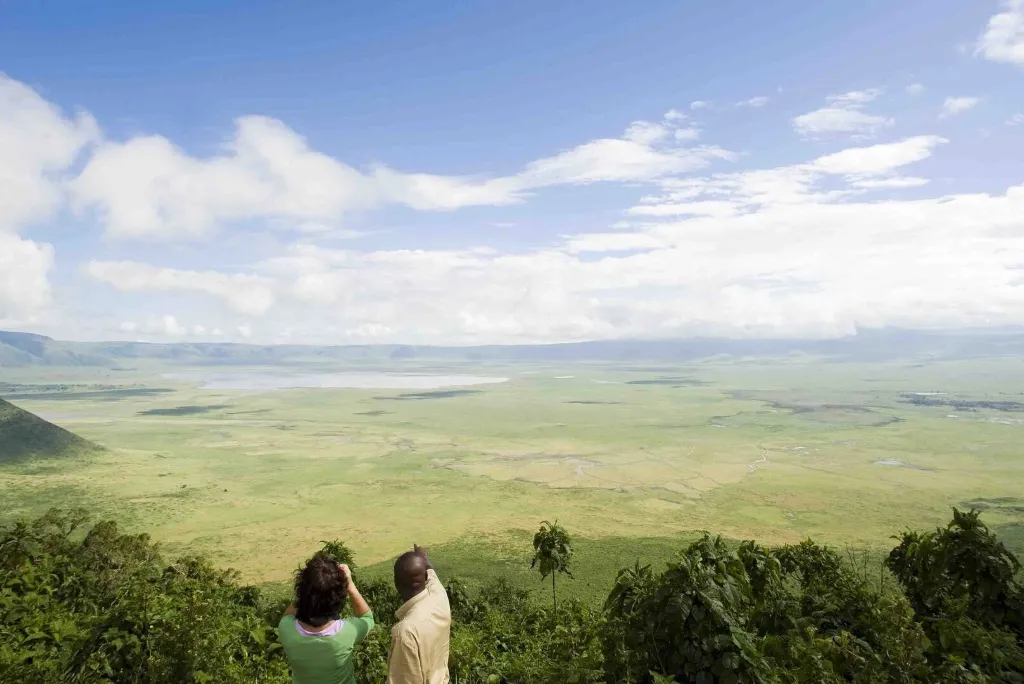
Walking the outer rim of the crater with an armed ranger takes between one and three hours and gives you panoramic views across the caldera that the drive-in perspective simply cannot match. The crater walls are covered in forest and the contrast between the lush rim and the open floor below is striking. One of the best walks in East Africa.
Lake Manyara Tree-Top Walkway
A suspended walkway through the forest canopy at around 18 metres above the ground. A good way to see the park from a completely different angle and stretch your legs between game drives. Monkeys and birds at eye level, elephants and buffalo visible on the forest floor below.
Kikuletwa Hot Springs
Natural geothermal pools near Moshi, sometimes called Maji Moto, meaning hot water. A good half-day stop before or after your safari, particularly for couples who want somewhere peaceful to decompress after a long international journey. The water is clear and warm and the setting is genuinely beautiful.
Materuni Waterfall and Coffee Tour
A short drive from Arusha, the Materuni area combines a forested waterfall hike with a working coffee plantation tour where you follow the process from harvest to cup. A good introduction to Tanzanian culture before heading into the parks, and a pleasant way to spend a morning if you arrive a day before your safari begins.
Mount Kilimanjaro Day Hike
You do not need to commit to a five-day summit attempt to experience Kilimanjaro. A day hike on the Machame Route takes you through lush rainforest to around 3,000 metres before turning back, with colobus monkeys in the canopy and the mountain rising above you the whole way. The full trek takes around five to six hours and adds something genuinely different to a standard safari itinerary.
Maasai Cultural Visit
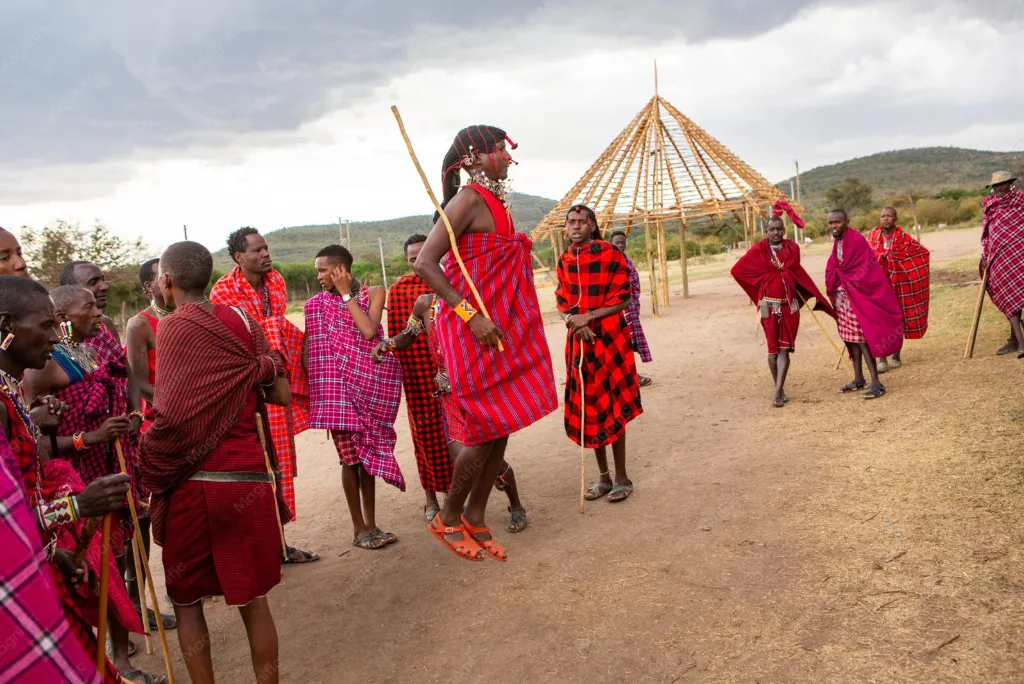
Meeting a Maasai community in their own environment is one of the more genuinely moving experiences available on a Tanzania safari. Their relationship with the land, with their cattle, and with the wildlife around them is unlike anything most visitors have encountered. Many of our itineraries include a community visit and we always encourage clients to approach it seriously rather than treating it as a quick photo stop.
Zanzibar Island
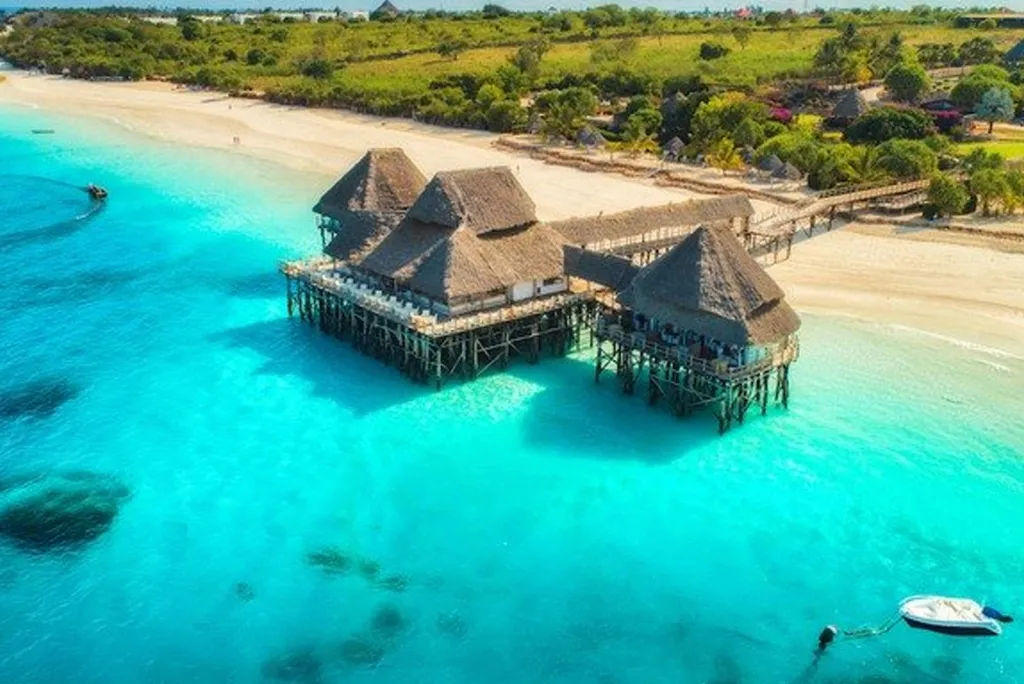
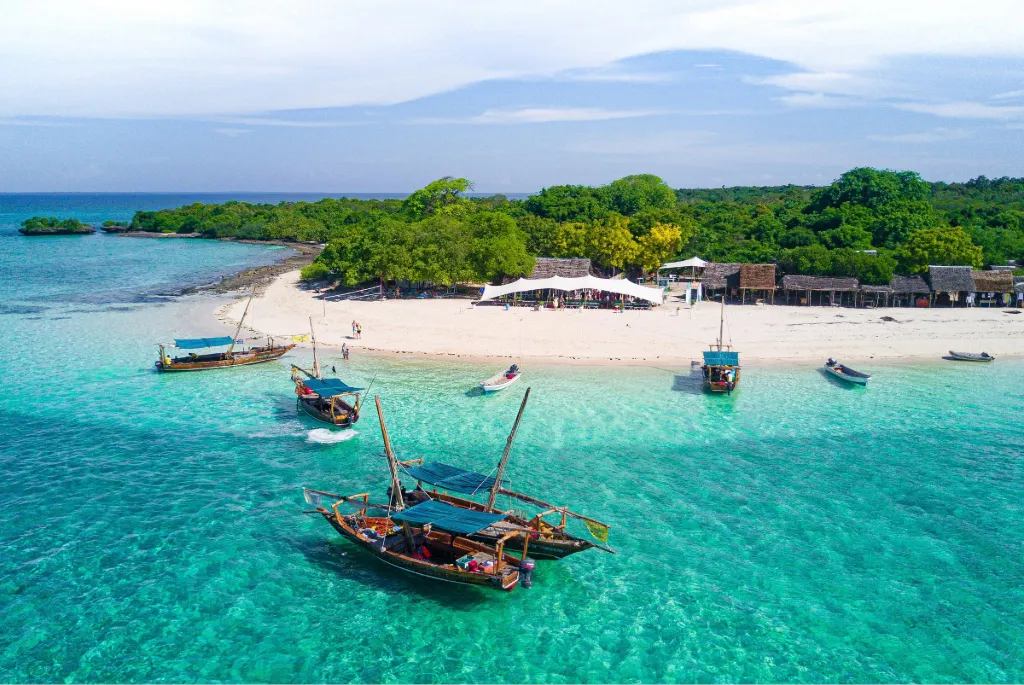
Zanzibar sits about 35 kilometres off the Tanzanian coast and is reached by a short flight or a two-hour ferry from Dar es Salaam. Stone Town is a UNESCO World Heritage Site with narrow alleys, spice markets, Arab and colonial architecture, and a layered history that rewards proper exploration. Stone Town’s status as a UNESCO World Heritage Site reflects its role as a Swahili trading town that fused African, Arab, Persian, and European influences over centuries. The beaches on the north and east coasts are among the finest in East Africa. For honeymoon couples, combining a Serengeti safari with four or five nights in Zanzibar is one of the best itineraries we offer. The contrast between bush and ocean is extraordinary.
The Great Migration: Everything You Need to Know
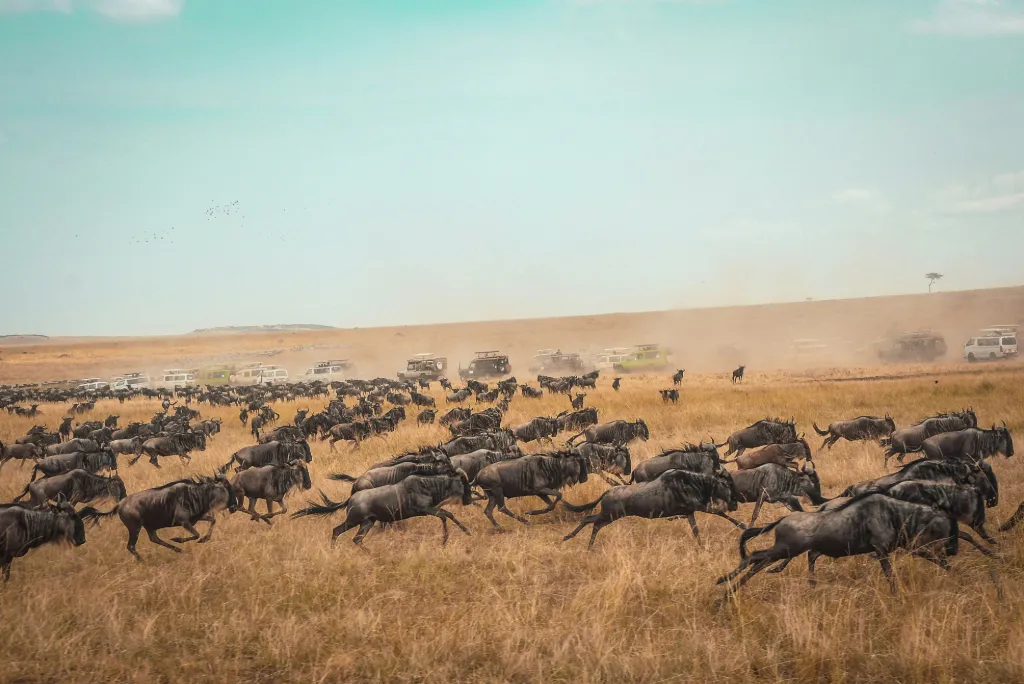
Many travellers visit Tanzania specifically to witness the Great Migration, and completely understandably. It is the largest overland movement of animals on the planet. Roughly 1.5 million wildebeest, joined by hundreds of thousands of zebra, Thomson’s gazelle, Grant’s gazelle, eland, and impala, move in a continuous circular loop through the Serengeti ecosystem in Tanzania and across the border into Kenya’s Masai Mara, following the rain and the fresh grass it produces. UNESCO’s own description of the Serengeti migration calls it the largest remaining unaltered animal migration in the world, a journey of roughly 1,000 kilometres that spans both Tanzania and Kenya.
We have watched the Migration more times than we can count. And every time it is different. A confused young wildebeest that stopped mid-crossing and turned back against the current. A pride of lions that waited three hours in the riverine bush before the herd finally committed to the water. Baby wildebeest stumbling to keep up with mothers who could not slow down. The Migration is not a single event. It is a living, season-long story that unfolds differently every time you encounter it.
When Does the Migration Happen
The Migration never stops. It is a year-round circular movement with different stages occurring at different times and locations. Understanding the phases helps you choose when and where to go.
| Month | Location in Serengeti | What You See | Crowd Level |
| January to March | Southern Serengeti, Ndutu | Calving season, intense predator action | Moderate |
| April to May | Central Serengeti, moving north | Long rains, columns moving, fewer tourists | Low |
| June to July | Western Corridor, Grumeti | Grumeti River crossings begin | Moderate to High |
| August to October | Northern Serengeti, Kogatende | Mara River crossings, peak action | High |
| November to December | Returning south through central | Herds moving back, short rains begin | Moderate |
The River Crossings
The Mara River crossings in the northern Serengeti between July and October are what most people picture when they think of the Great Migration. Wildebeest arrive at the riverbank in their thousands, mill around for hours in a state of collective anxiety, and then suddenly one animal commits to the water and the rest follow in a chaotic surge through crocodile-filled current. The predators on the far bank wait. The crocodiles hold position in the river. It is one of the most dramatic wildlife spectacles in the world.
The crossings are not predictable and no guide can guarantee you will see one. But with three or more days in the right location, in the right month, with an experienced guide who reads animal behaviour and knows the crossing points, your chances are very good. What we always tell our clients is this: book the time, trust the guide, and be patient. The crossing will come.
Calving Season
January and February in the southern Serengeti offer something different but equally extraordinary. Around 8,000 wildebeest calves are born every day during peak calving and the predators are well positioned for it. Cheetah hunts, lion prides working the edges of the herds, hyena clans in pursuit, jackal pairs picking their moment. The predator-prey interaction during calving season is some of the most intense wildlife behaviour Tanzania produces across the entire year.
It is also far less visited than the river crossing season, which means fewer vehicles, more intimate encounters, and a very different atmosphere in the southern plains compared to the busy northern Serengeti in August. We recommend calving season to couples who have already done the Migration crossings and want something that surprises them, and to first-timers who want peak wildlife drama without peak season crowds.
Why Does the Migration Happen
The wildebeest and their companions are following rain and grass, driven by instinct honed over thousands of years. The sound of distant thunder and the smell of rain on dry ground trigger movement. These animals can detect rainfall from miles away and track the growth of fresh grass across a landscape the size of a small country. Along the way, somewhere between 250,000 and 500,000 animals die annually, to predators, to crocodiles, to exhaustion and drowning. The Migration is beautiful and brutal in equal measure.
Watching the Migration is one of those experiences that changes your relationship with the natural world permanently. You stop seeing animals as things to photograph and start understanding that you are watching something that has been happening for millions of years, completely indifferent to whether you are there or not. That indifference is part of what makes it so extraordinary.
7 Authentic Things to Do in Tanzania That Most Visitors Miss
The Northern Circuit parks are famous for good reason. But Tanzania has a great deal more to offer than most first-time visitors ever discover. These are the experiences we recommend to travellers who want to go beyond the standard itinerary and find the parts of Tanzania that most people leave without ever seeing.
1. Ruaha and Katavi Secret Safaris
Ruaha and Katavi sit in Tanzania’s remote interior and between them offer some of the most unvisited safari terrain in the country. Ruaha is a vast park with a strong sense of wilderness and a serious predator population: lions, leopards, wild dogs, cheetah, and hyena all present in good numbers. The Great Ruaha River draws enormous elephant herds during the dry season and the general remoteness of the park means you can spend an entire game drive without seeing another vehicle.
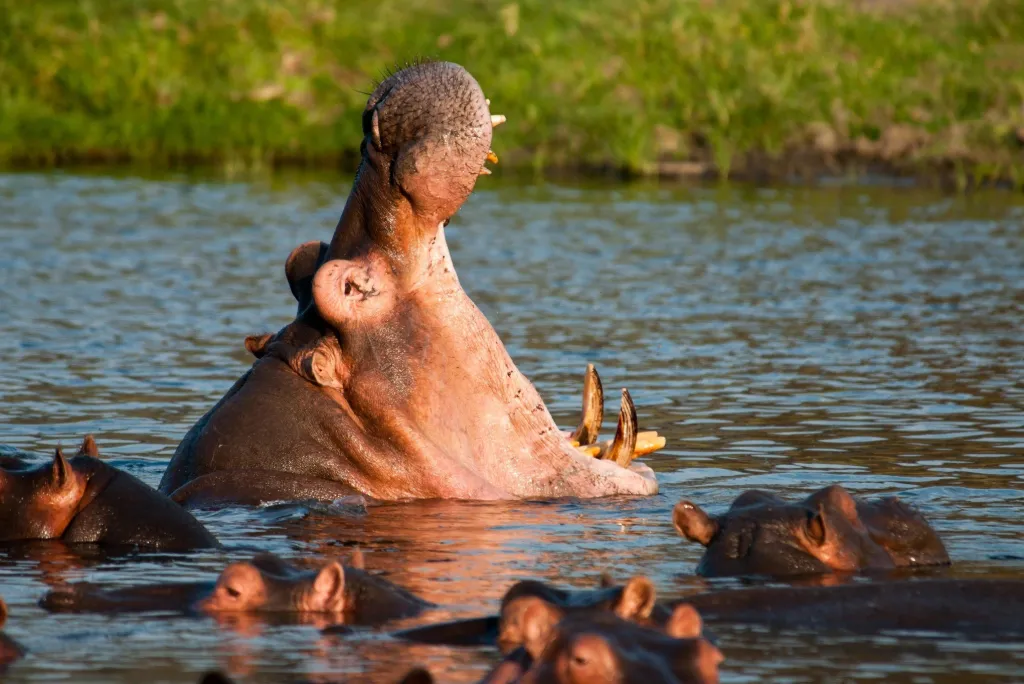
Katavi is even more extreme. Only three small camps operate inside the park and access is by light aircraft only. During the dry season, hippo pools in the Katuma River hold some of the densest hippo concentrations in Africa. Buffalo herds of several thousand move across the floodplains. Lions are visible in numbers that would be remarkable anywhere else. For travellers who want a safari experience that feels genuinely raw and unmediated by tourism infrastructure, Katavi is incomparable.
2. Rubondo Island National Park
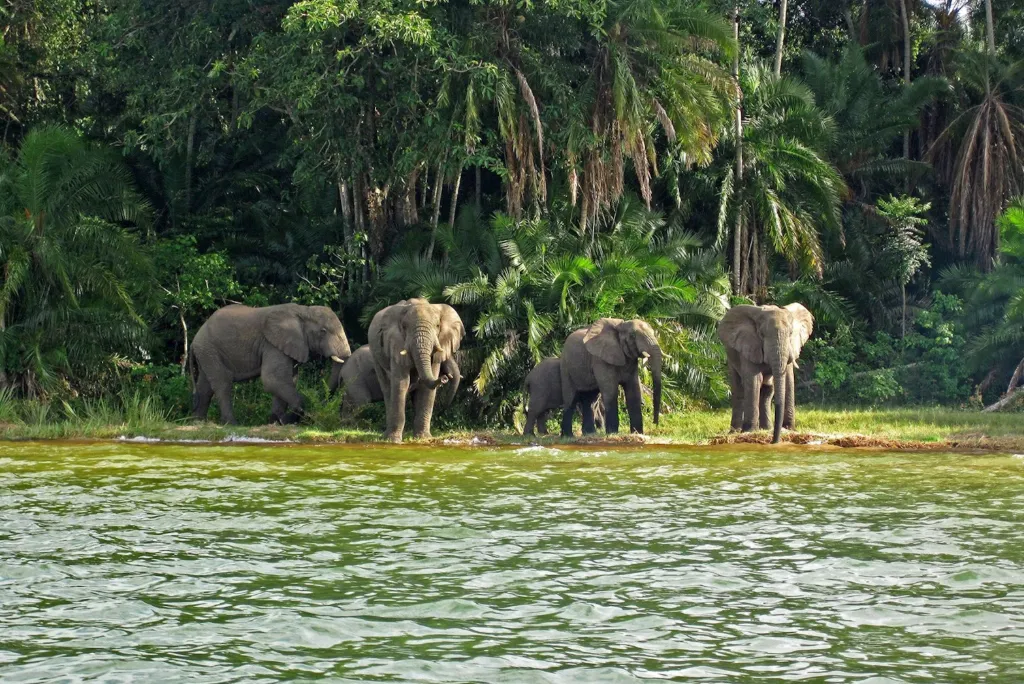
Rubondo Island sits in the southwest corner of Lake Victoria in northwest Tanzania and is rarely visited by anyone outside of dedicated wildlife enthusiasts. The island was stocked in the 1960s and 70s with animals introduced from captivity, including chimpanzees, sitatunga, elephants, and hippos. Today it supports a remarkable mix of species in a setting that feels unlike any other park in Tanzania.
Chimpanzee tracking on Rubondo is conducted on foot, through forest, at close range. The island also offers excellent sport fishing, birdwatching, and boat safaris on the lake. It has been called Tanzania’s Noah’s Ark and the description is more accurate than most safari nicknames.
3. Unguja Ukuu Island, Zanzibar Archipelago
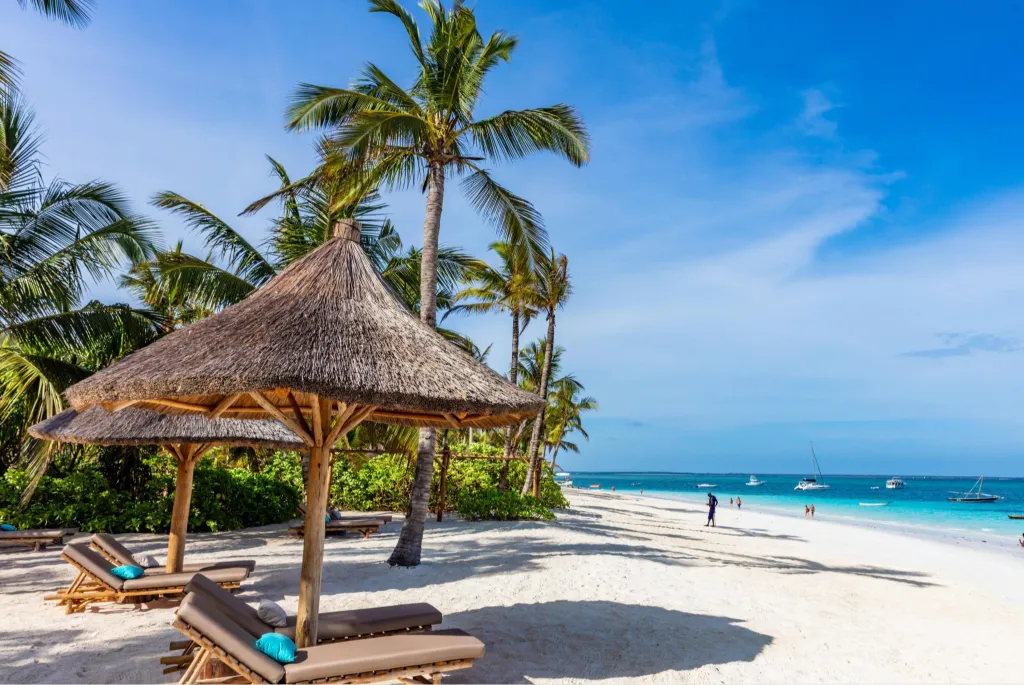
Most visitors to Zanzibar stay on Unguja, the main island, and never venture beyond the well-known beaches of Nungwi, Kendwa, or Paje. Unguja Ukuu is one of the two smaller islands of the Zanzibar Archipelago and is reached only by boat from the main island. It is rarely visited, genuinely local in character, and offers the kind of quiet that the more developed parts of Zanzibar have long since lost.
Fresh fish, tropical fruit, village life, and the Indian Ocean without the beach bars. For couples who want to end a safari with somewhere that feels completely off the map, Unguja Ukuu is worth knowing about.
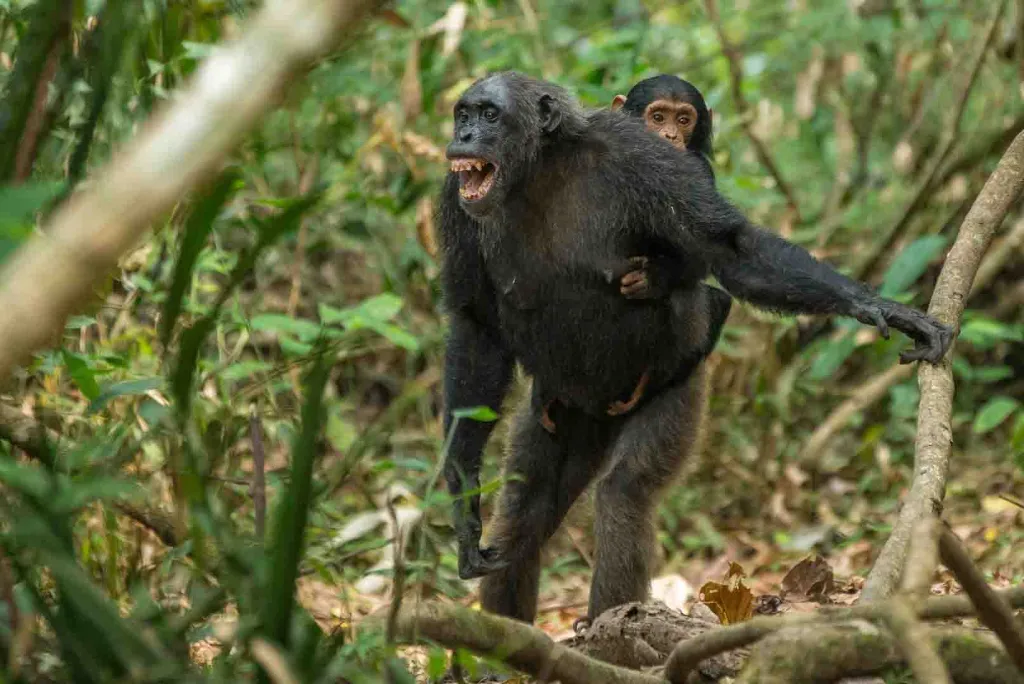
4. Mahale Mountains National Park
Mahale sits on the eastern shore of Lake Tanganyika in the far west of Tanzania and is one of the most remote national parks in the country. There are no roads in. You arrive by small plane and then by boat across the lake. The park protects one of the largest known populations of chimpanzees in Africa and the trekking here, through steep forest slopes to find family groups of habituated chimps, is one of the most memorable wildlife experiences East Africa offers.
The lake itself adds something unusual to a Tanzania safari: the ability to swim in clear, fresh water, to kayak along the forested shore, and to watch the sun set over water rather than savannah. Mahale is expensive and logistically demanding but for the traveller who wants the most extraordinary possible combination of wildlife and landscape, it belongs on the list.
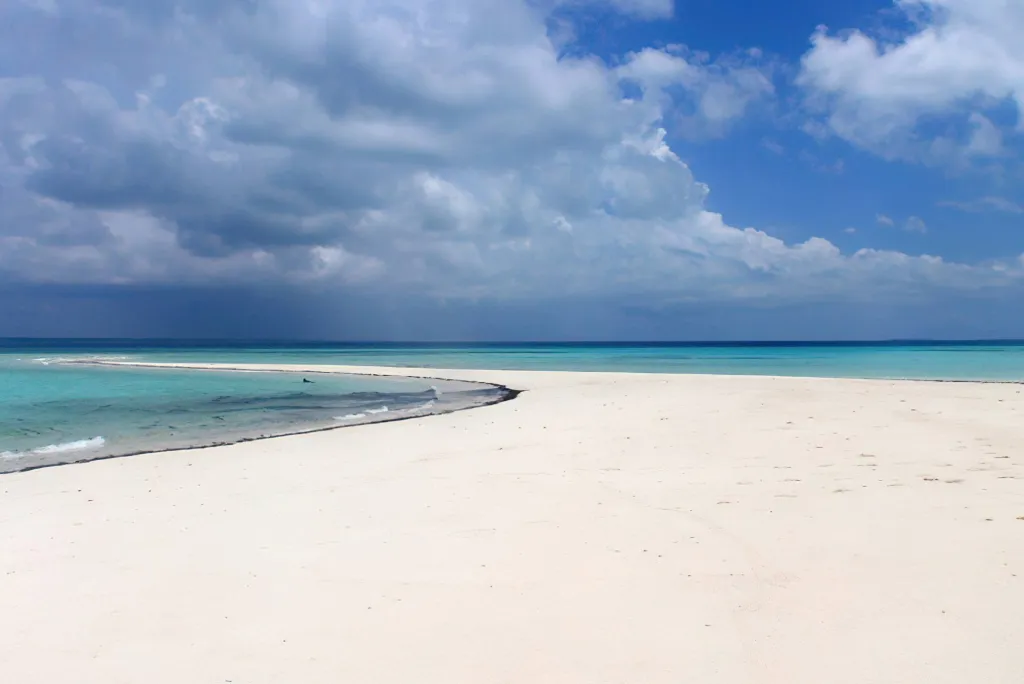
5. Mafia Island
Zanzibar attracts the crowds. Mafia Island, sitting about 160 kilometres south of Zanzibar in the Indian Ocean, attracts almost none of them. The island is a marine park and one of the finest diving destinations in East Africa. Whale sharks gather here between October and March in numbers that make Mafia one of the most reliable snorkelling destinations in the world for encountering them. The reef systems are healthy and relatively unpressured. The beaches are quiet. The fishing communities are genuinely welcoming.
Mafia does not have the restaurants and boutique hotels of Zanzibar. That is precisely the point. For couples who want a beach extension that feels like a genuine discovery rather than a well-trodden destination, Mafia Island is one of the best suggestions we can make.
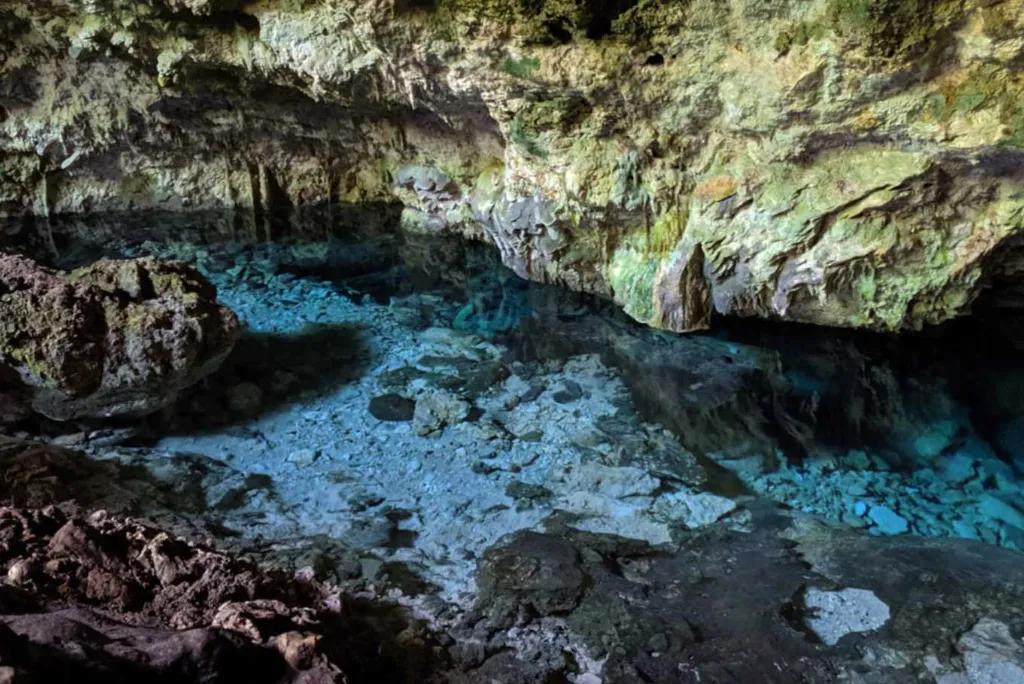
6. Kuza Cave, Zanzibar
Located in the south of Zanzibar, Kuza Cave is an underground oasis inside limestone caves that are several centuries old. Crystal-clear turquoise water fills the cave floor and swimming here is genuinely extraordinary. But Kuza is more than just a swimming spot. The surrounding property includes a garden, a small restaurant, cooking classes, drumming sessions, Swahili language lessons, and a nature preserve with red colobus monkeys, butterflies, and birds.
It is the kind of place that does not appear on standard Zanzibar itineraries and consistently surprises people who find it. Worth an afternoon or a full day if your schedule allows.
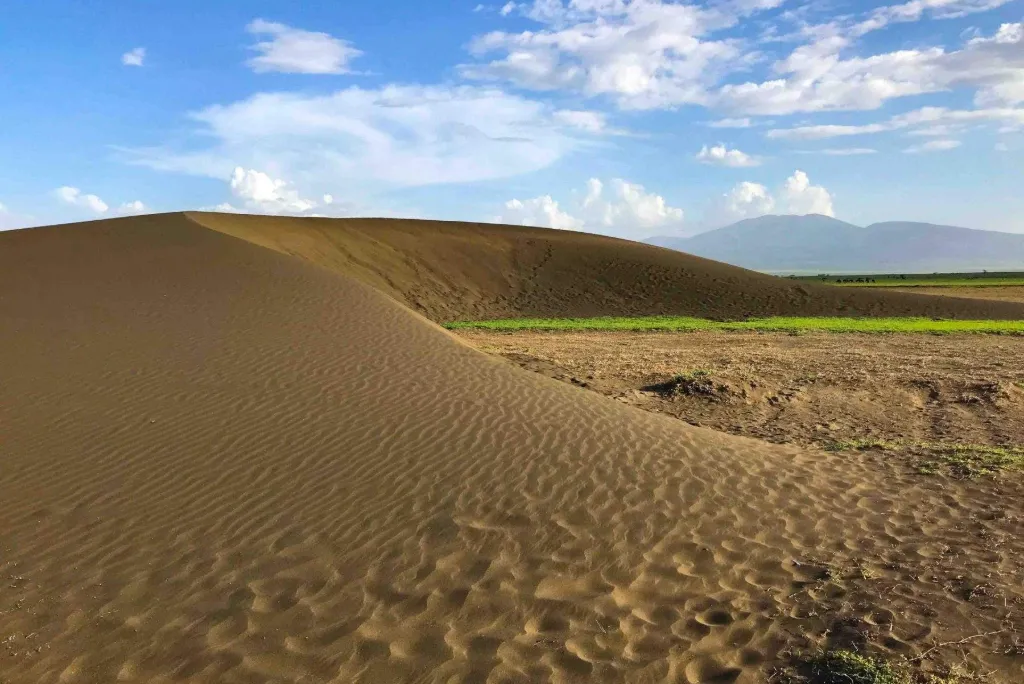
7. The Shifting Sand Dunes of Ngorongoro
Very few visitors to the Ngorongoro Conservation Area know about the shifting sand dunes near Olduvai Gorge, and that is part of what makes them worth seeking out. The dunes are crescent-shaped and made of black volcanic ash, magnetised in a way that pulls particles back into the mass rather than allowing them to be blown away. The result is a dune that moves slowly across the landscape, covering and uncovering the ground beneath it over decades.
The Maasai consider them sacred, associated with the nearby volcano Ol Doinyo Lengai, the Mountain of God. Standing beside them in the middle of the Ngorongoro Conservation Area, with the Serengeti on one side and the crater on the other, is one of those Tanzania moments that feels genuinely unscripted.
Consider the Southern Circuit When Planning Your Tanzania Safari
One of the most important things we wish more first-time visitors to Tanzania knew before they arrived is that the Northern Circuit is not the whole story. It is not even most of the story. It is simply the part that receives most of the attention.
The Southern Circuit is everything the north is not. Less visited, harder to access, more expensive to reach, and in many ways more rewarding for exactly those reasons. The five main parks of the Southern Circuit are Nyerere National Park (formerly Selous), Mikumi, Ruaha, Mahale Mountains, and Udzungwa. Between them they cover an area that dwarfs the Northern Circuit and hold wildlife populations that rival anything the Serengeti offers, with far fewer people watching.
Nyerere National Park, formerly the Selous Game Reserve, is one of the largest protected areas in Africa. Boat safaris on the Rufiji River are unlike anything available in the northern parks. The density of crocodiles and hippos along the river system is extraordinary. Walking safaris here are also available and give you a quality of ground-level encounter that no vehicle can replicate.
The Udzungwa Mountains National Park adds a completely different dimension to the idea of a Tanzania safari. This lush rainforest region has no game drives. Instead it offers some of the best primate tracking in East Africa, waterfalls, and highland hiking trails through forest that feels genuinely primeval. It is not what most people picture when they plan a Tanzania trip. That is exactly why it is worth considering.
The honest reality of the Southern Circuit is that it suits a specific kind of traveller: someone who has already done the Northern Circuit, or someone on a longer trip who wants to combine both, or someone who actively seeks out the road less travelled. If you are planning a first Tanzania safari on a tight schedule, the north makes more practical sense. But if you have the time and the budget to go further, the Southern Circuit will give you an Africa that most visitors never find.
We have clients who did the Southern Circuit after several northern safaris and told us afterwards that they felt like they had finally found the Tanzania they had always imagined. Remote, wild, and completely on its own terms.
Must-See Wildlife in Tanzania
Tanzania hosts over 4 million wild animals across its 22 national parks. It has over 1,100 recorded bird species. Around 25 to 30 species of primate live in its forests and savannahs. And approximately 300 reptile species complete an ecosystem of almost incomprehensible variety.
We have put together a shortlist of the species most worth knowing about before you go, broken down by category. This is not a comprehensive list. Nothing short of a field guide could be. But these are the animals that consistently produce the moments our clients talk about when they come home.
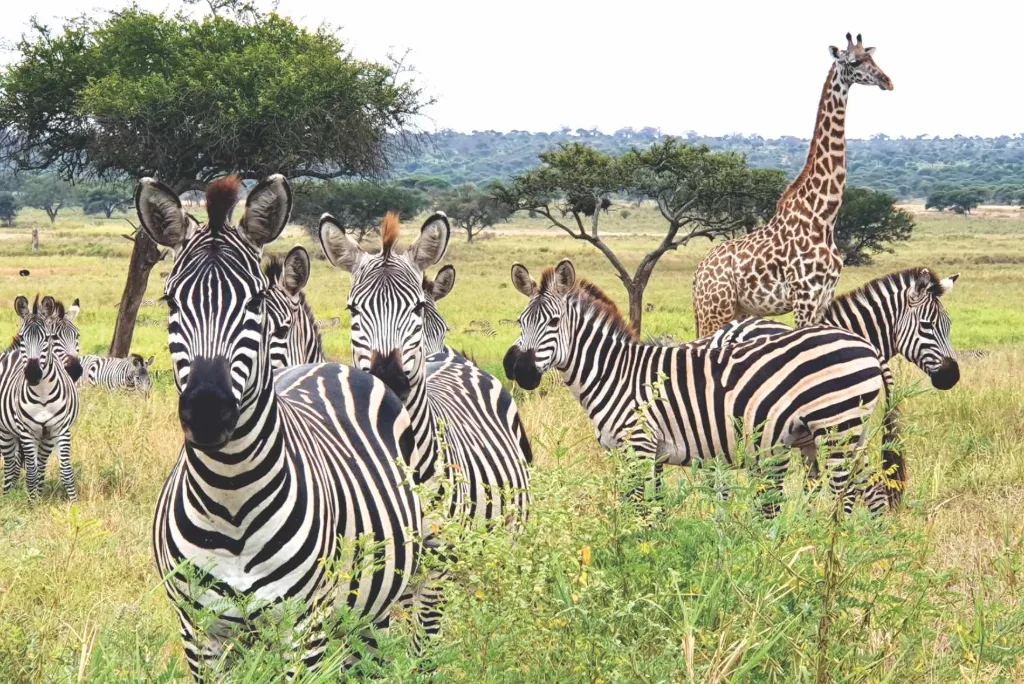
Must-See Classic Safari Animals
- Lion. Tanzania has some of the healthiest and most accessible lion populations in Africa. Prides of twenty or more animals are not unusual in the Serengeti. The power of watching a pride hunt, or simply rest together in the morning light, never diminishes regardless of how many times you see it.
- Leopard. Solitary, secretive, and genuinely thrilling to find. The Seronera River valley in the central Serengeti is one of the most reliable places in Africa for leopard sightings. Look in the upper branches of acacia and sausage trees, often with a kill hoisted above reach.
- Elephant. Tarangire is the best park in Tanzania for elephants. Herds of fifty or more animals move through the baobab landscape during the dry season with a calm authority that is extraordinary to be near. The Serengeti and Amboseli corridor also provide exceptional encounters.
- Buffalo. Commonly seen in large herds across all northern parks and widely underestimated by first-time visitors. Buffalo are consistently rated by guides as one of the most dangerous animals in Africa, particularly old solitary bulls.
- Rhino. Tanzania holds a small black rhino population in the Ngorongoro Crater. Sightings are not guaranteed but the crater offers the best chance of seeing one anywhere in Tanzania. If you see a rhino on your game drive, it is a genuinely special sighting.
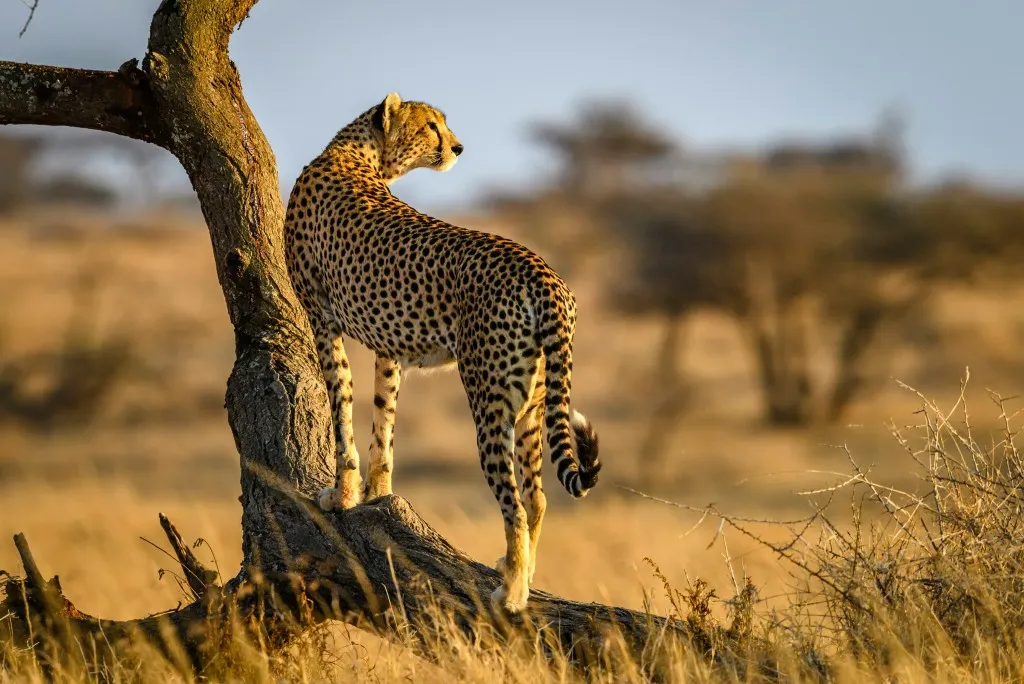
- Cheetah. Most commonly seen on the open short-grass plains of the southern and central Serengeti. Early morning drives give you the best chance of watching an active hunt. Cheetah are fast, efficient, and breathtaking to watch in pursuit.
- Wild Dog. One of the rarest and most endangered large predators in Africa. The Southern Circuit parks, particularly Nyerere and Ruaha, offer the best chances in Tanzania. Encountering a pack on a hunt is among the most memorable wildlife experiences on the continent.
- Hippo. Found in rivers and lakes throughout Tanzania. Enormous, deceptively fast on land, and responsible for more human fatalities in Africa than most other large animals. Best observed from a safe distance on a boat safari in Nyerere or from the shores of Lake Manyara.
- Giraffe .Present in all northern parks. Masai giraffe, the subspecies found in Tanzania, is the tallest animal on earth and never entirely loses its ability to surprise you with its scale when encountered in the field.
- Zebra. The constant companion of the wildebeest during the Migration and a familiar presence throughout all northern parks. Their pattern is unique to each individual, which guides can use to identify animals across multiple sightings.
Must-See Birds in Tanzania
Tanzania has over 1,100 recorded bird species. Even committed non-birders tend to find themselves paying attention once they are in the field. A few species worth watching for:
- Grey Crowned Crane. Tanzania’s national bird. Elegant, striking, and found in wetland areas throughout the country.
- Lilac-breasted Roller . One of the most photographed birds in Africa for good reason. The plumage is extraordinary and the bird is common enough to see on almost any game drive.
- Secretary Bird . Tall, ground-walking, and famous for hunting and killing snakes by stamping on them. A genuinely unusual bird to encounter on the open plains.
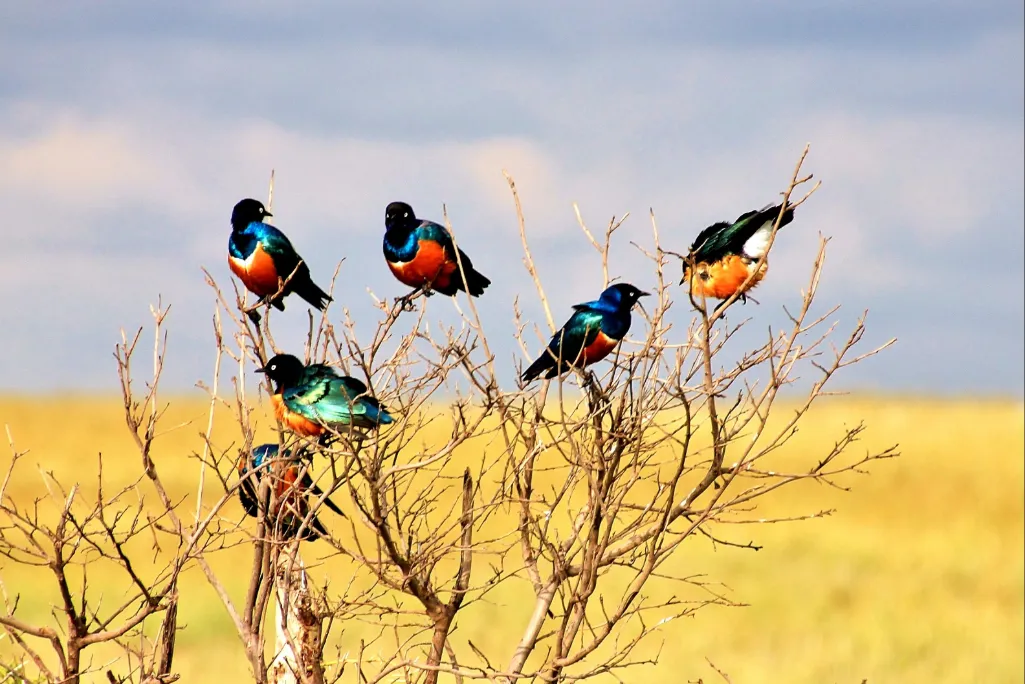
- Superb Starling . Common around Arusha and throughout the northern parks but beautiful enough to photograph every time. The iridescent feathers catch the light in a way that makes even an experienced safari visitor stop.
- Lappet-faced Vulture . The largest vulture in Africa. Prehistoric-looking and utterly fascinating once you commit to watching it properly. A key part of the ecosystem that most visitors overlook in favour of more charismatic species.
- Flamingo . Lake Manyara and Lake Natron in the Rift Valley host some of the largest flamingo concentrations in East Africa, particularly between November and April when the shallow alkaline water conditions are ideal.
Must-See Primates in Tanzania
Between 25 and 30 primate species inhabit Tanzania’s forests and savannahs. These are the ones most worth looking for:
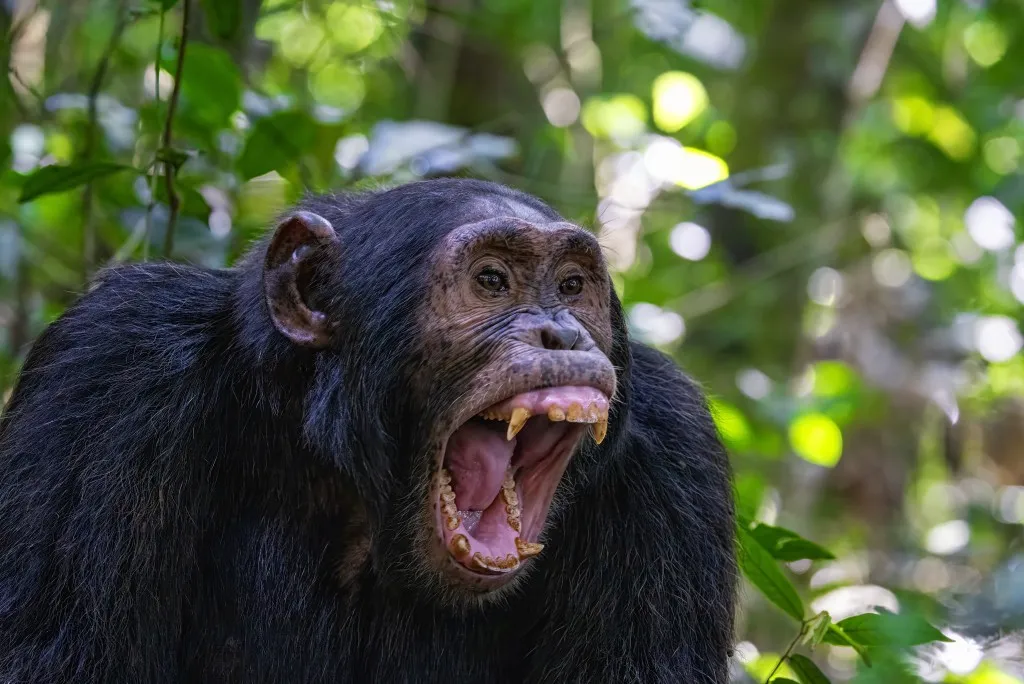
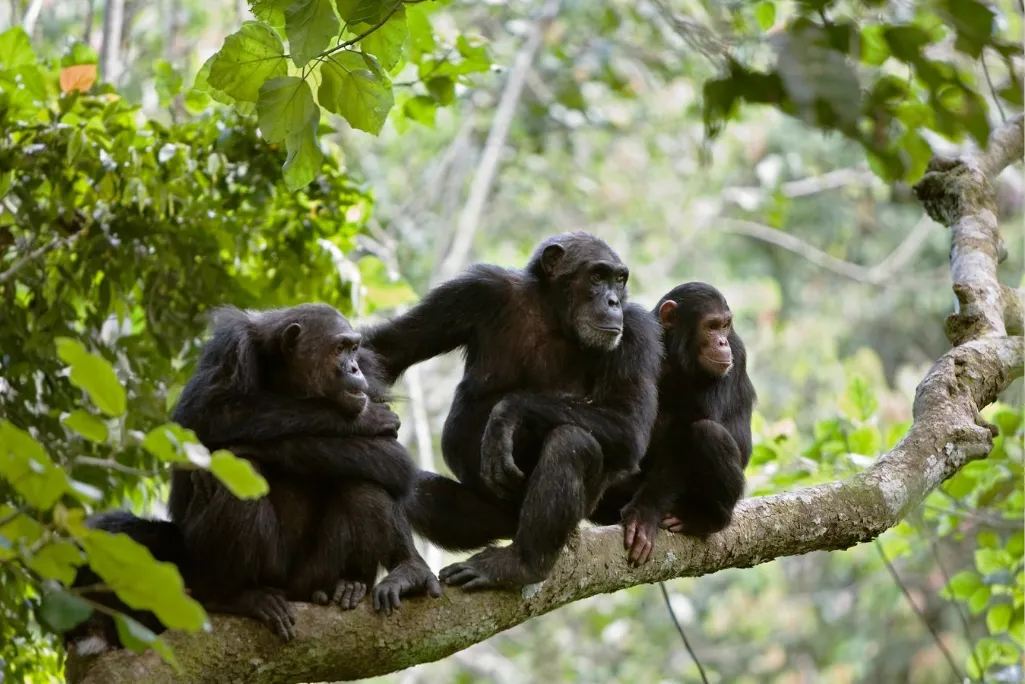
- Chimpanzee . Tanzania’s most sought-after primate. Found in Mahale Mountains and Gombe Stream in the far west. Trekking to find habituated chimpanzee families on foot is one of the finest wildlife experiences in East Africa.
- Zanzibar Red Colobus . Found only in Jozani Forest on Zanzibar and nowhere else on earth. A genuinely unique endemic species that is easy to see on a half-day visit to the forest.
- Black-and-White Colobus . Striking in appearance and commonly found in Arusha National Park and the forested areas of the Ngorongoro Highlands.
- Olive Baboon . Present throughout the northern circuit in large troops. Intelligent, adaptable, and fascinating to watch in their social interactions.
- Vervet Monkey . Common and vocal throughout the northern parks. You will usually hear them before you see them.
Must-See Reptiles in Tanzania
Around 300 reptile species are found across Tanzania. These are five that regularly produce memorable encounters:
- Nile Crocodile . Can reach over five metres in length and are found in rivers and freshwater lakes throughout the country. The Rufiji River in Nyerere and the Mara River crossing points in the northern Serengeti offer the most dramatic encounters.
- African Rock Python . Africa’s largest snake, found near rivers and wetlands. Most commonly encountered on walking safaris and a remarkable sighting when it occurs
- Leopard Tortoise . The fourth largest tortoise species in the world and a surprisingly endearing sighting on bush walks through dry savannah
- Nile Monitor Lizard . These impressive lizards can grow to between 1.5 and 2 metres in length and are found basking on riverbanks and climbing trees with surprising agility.
- Jackson’s Chameleon . Found in the montane forests around the Usambara Mountains and Mount Meru. Their colour-changing ability and independent eye movement make them extraordinary animals to observe up close.
Top Tips for Staying Safe on Your Tanzania Safari
Tanzania is a safe destination for safari travel and the national parks themselves are extremely well managed. But there are practical points worth knowing before you arrive, both in terms of personal safety in towns and in terms of staying healthy in a remote environment.
In the Parks and at Camp
- Always follow your guide’s instructions. They know the animals, the terrain, and the risks in a way that no amount of pre-reading can replicate
- Never lean out of the vehicle or make sudden movements near wildlife. Animals react to the silhouette of the vehicle as a whole. Breaking that silhouette changes the dynamic immediately
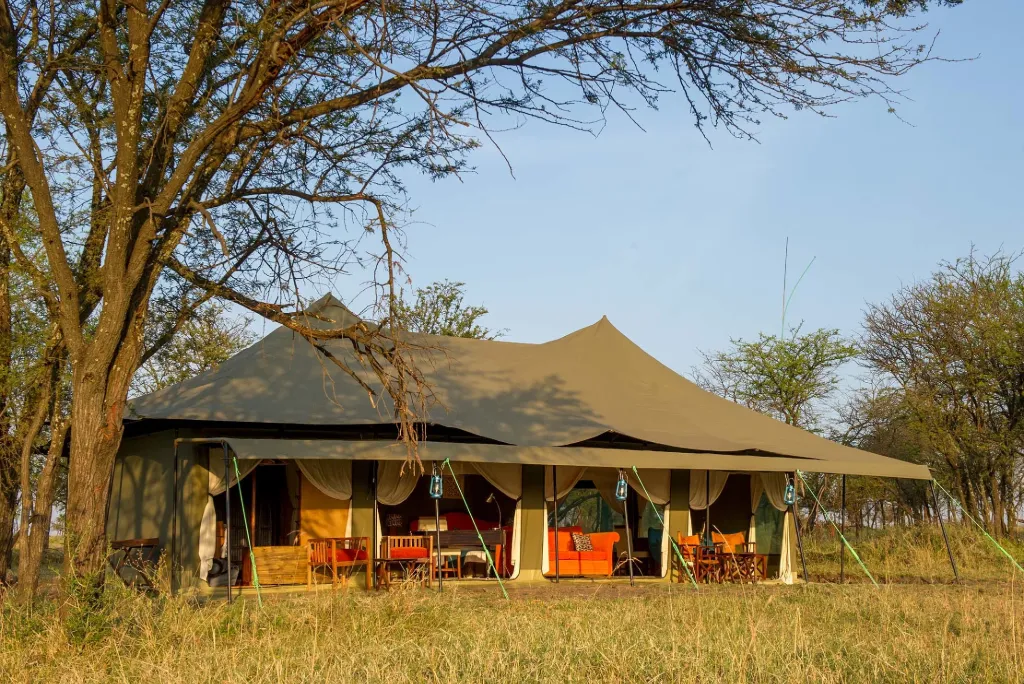
- Stay inside your tent at night at unfenced camps. Animals move freely through many camps and the guides are fully aware of this. It is exciting rather than dangerous provided you follow the rules
- Keep noise to a minimum during active predator sightings. The quieter the vehicle, the longer the animal stays and the more you see
Health
- Take malaria prophylaxis from before arrival and continue for the full recommended period after you leave. Malaria is present across Tanzania and prevention is essential
- Drink only bottled or treated water throughout your trip. This applies to ice cubes as well. All reputable camps and lodges will provide safe drinking water
- Visit your doctor or a travel health clinic at least six weeks before departure to discuss vaccinations and preventative medication. Yellow fever vaccination may be required depending on your travel history
- Take out health insurance that specifically includes medical evacuation cover. The northern parks are remote. In a genuine emergency, evacuation by air is the only option and it is expensive without insurance
In Towns and Transit
- Petty crime including pickpocketing, bag snatching, and overcharging in tourist areas does occur in Arusha and Dar es Salaam. Keep valuables out of sight and avoid walking alone in unfamiliar areas after dark
- Credit card fraud is not uncommon. Where possible, use cash for smaller transactions and be cautious with card machines in informal settings
- USD is widely accepted across Tanzania for park fees, tips, and many purchases. Carry clean, undamaged notes as torn or heavily worn bills are often refused
- Tipping your guide and camp staff is customary and genuinely important. Budget around USD 15 to 20 per day for your guide and USD 10 per day for camp staff as a starting point
How to Select a Reputable Tanzania Safari Operator
There are hundreds of companies offering Tanzania safari tours and the variation in quality between them is significant. A good operator is the difference between a well-managed trip and an extraordinary one. Here is what we look at when assessing whether a safari company deserves your trust.
Guides
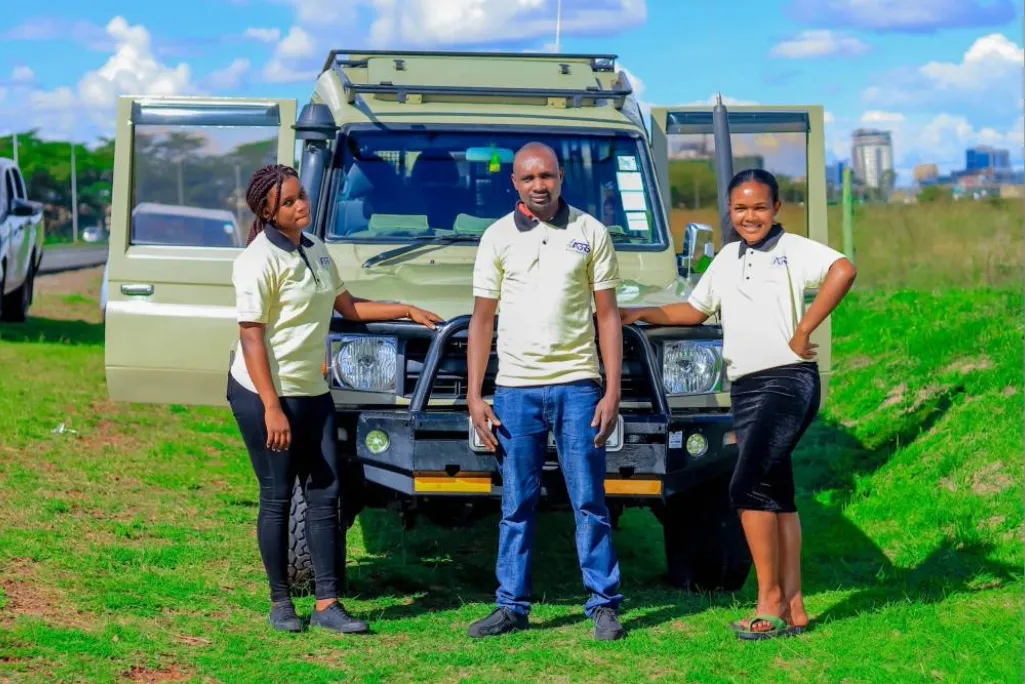
Your guide is the single most important variable in your safari experience. The difference between a good guide and a great one is not just knowledge of species names. It is the ability to read animal behaviour, anticipate movement before it happens, position a vehicle correctly without disturbing the animals, and communicate what they see in a way that deepens your understanding rather than simply narrating it. Ask potential operators directly about their guides: how long have they been working in the parks, what are their specialisations, can you request a specific person by name? A company that takes this question seriously is a company worth trusting.
Vehicles
A good safari vehicle has a full pop-up roof for unobstructed views and photography, adequate space for your group to move and position yourselves freely, and is properly maintained for the conditions these parks impose on equipment. Ask what vehicle you will be travelling in. Make sure you know whether it is private or shared, and what the maximum occupancy is.
Reviews
Read reviews from previous travellers on TripAdvisor, Google, and specialist safari review sites. Pay particular attention to comments about guides, responsiveness during booking, and how problems were handled when they arose. A company with hundreds of reviews consistently praising their guides is telling you something important. A company that responds defensively to criticism is telling you something equally important.
Accreditation and Memberships
Look for membership of the Tanzania Association of Tour Operators (TATO) or the Kenya Association of Tour Operators (KATO) for cross-border itineraries. These memberships provide accountability and consumer protection that unregistered operators cannot offer. Africa Bed of Roses Safaris is accredited under the Kenya Tourism Regulatory Authority and holds KATO membership with bonding scheme coverage, meaning your safari investment is protected even in exceptional circumstances.
Communication Quality
How a company handles your initial enquiry tells you a great deal about how they will handle your trip. Do they respond promptly and thoroughly? Do they ask genuine questions about what you want rather than sending a generic package? Do they offer their own recommendations and push back gently when they think a different approach would serve you better? Good safari operators are partners in building your trip, not simply order-takers. The planning process should feel personal and considered, because the trip it produces will be.
Booking a safari is one of the larger investments many people make in their travel lives, and often a once-in-a-lifetime journey. You should feel genuinely valued throughout the process, from the first enquiry to the last day on the ground. If you do not feel that, keep looking.
Frequently Asked Questions
How far in advance should I book a Tanzania safari?
We recommend booking eight to twelve months before your intended departure date, particularly for peak season travel between July and October and for honeymoon or anniversary trips at any time of year. The best tented camps in the Serengeti have limited capacity and fill significantly in advance. Booking early also gives you the flexibility to shape your itinerary properly without time pressure, and time to arrange visas, vaccinations, and travel insurance without rushing.
When is the worst time to visit Tanzania?
April and May are the months we most often advise clients to avoid. The long rains during this period can be heavy and sustained, some camps close for maintenance, roads in certain areas become difficult, and wildlife disperses widely across the newly green landscape making sightings harder. If your dates fall in this window, shifting travel to late March or waiting until June will make a meaningful difference to your experience.
Why can you not wear black on safari?
Dark colours, particularly black and dark navy, attract tsetse flies, which have a painful bite and are present across much of Tanzania’s bush country. Safari guides never wear black for this reason. Stick to neutral tones: khaki, olive, beige, grey, and tan across all your game drive clothing.
Which is better for safari, Tanzania or Kenya?
Both countries are extraordinary safari destinations and the comparison is genuinely difficult. Tanzania has more parks, more land under conservation, and arguably the finest single wildlife experience in Africa in the Serengeti. Kenya offers more accessible parks, a slightly lower overall cost in some categories, and its own remarkable wildlife in the Masai Mara. Many of our clients do both: a Kenya safari combined with a Tanzania extension, or a full Tanzania itinerary
that uses Nairobi as a transit point. The two countries complement each other well and the border between the Masai Mara and the Serengeti is, for the wildebeest at least, entirely irrelevant.
Are there gorillas in Tanzania?
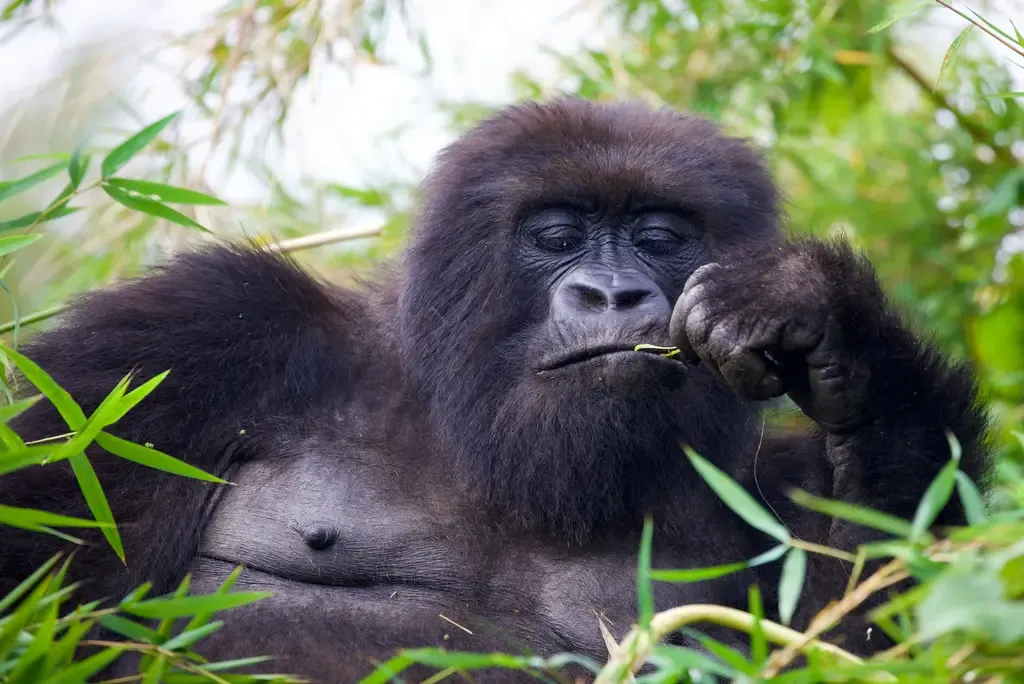
No. Mountain gorillas are found in Rwanda, Uganda, and the eastern Democratic Republic of Congo. Tanzania is the place to see chimpanzees, particularly at Mahale Mountains National Park and Gombe Stream. If gorilla trekking is on your list, we arrange Rwanda and Uganda itineraries and can combine them with a Tanzania safari for a complete East Africa trip covering both great ape species.
Do I need a visa for Tanzania?
Most nationalities require a visa to enter Tanzania. The Tanzania e-Visa is available online before departure and is relatively straightforward to apply for. Check the specific requirements for your passport well in advance of your travel dates, as requirements change and some nationalities need to apply through a different process. Your operator should be able to advise on the current situation for your specific nationality.
What is the best Tanzania safari for a honeymoon?
A private Tanzania honeymoon safari combining the Serengeti with Zanzibar is the itinerary we recommend most often. Ten to twelve nights gives you enough time in the northern parks, with at least three nights in the Serengeti, before heading to the Indian Ocean coast for beach time. Private vehicles, small intimate camps, and personalised service throughout make all the difference for a honeymoon trip. Get in touch with our team and we will design something around exactly what you want.
Reach Us If You’re Looking For The Best Tanzania Safari Company
Every Tanzania safari we design is private, personalised, and built around what you actually want to experience. Whether you are planning a honeymoon, a milestone anniversary, or your very first safari, reach out to our team and we will put together an itinerary that fits.