



A Uganda Safari now carries a level of global recognition most countries spend decades chasing, and it has arrived in a single remarkable year. Uganda did not earn the name Pearl of Africa by accident, and in the last year the rest of the world has started saying it out loud too. In November 2025, Bwindi Impenetrable National Park was ranked the third best adventure destination on the entire planet at the TOURISE Global Tourism Awards in Riyadh, beaten only by Peru’s Ancash region and the Galápagos Islands. Think about that for a moment. A misty forest in southwestern Uganda, judged against the whole world, and it came in third.
That was not a one-off. Uganda walked away with Best in Show for Africa at the Travel and Adventure Expo in New York, took the Natural Paradise award in Switzerland as the only country ever to win that category against a room full of private tour operators, and was named Best Exquisite Destination at a travel expo in Mumbai. Different continents, different judges, different years, and somehow the same country keeps quietly winning.
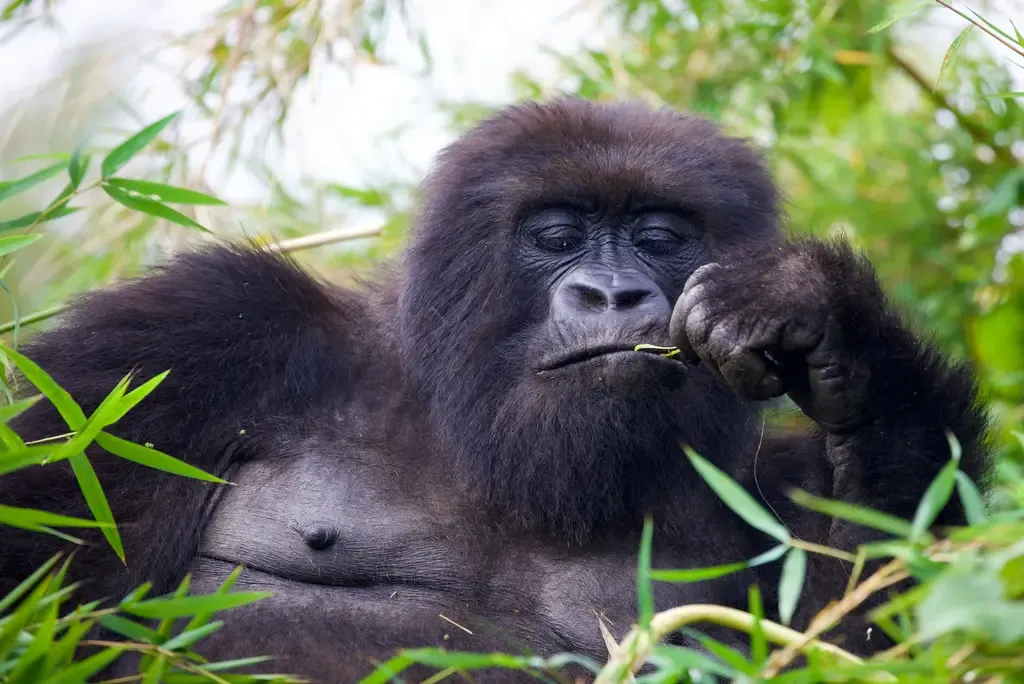
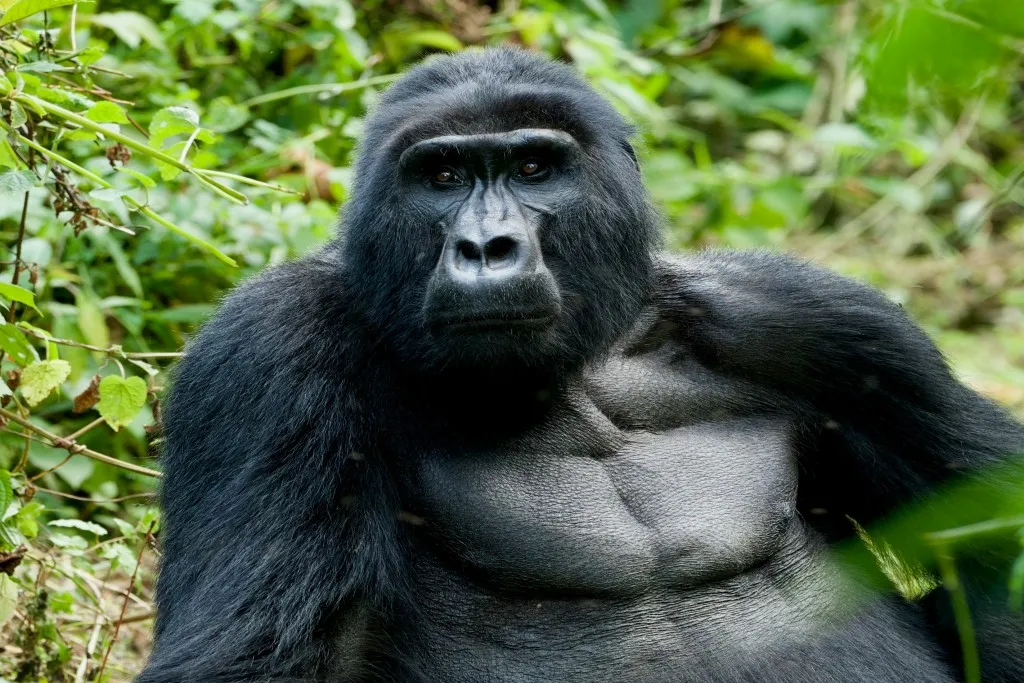
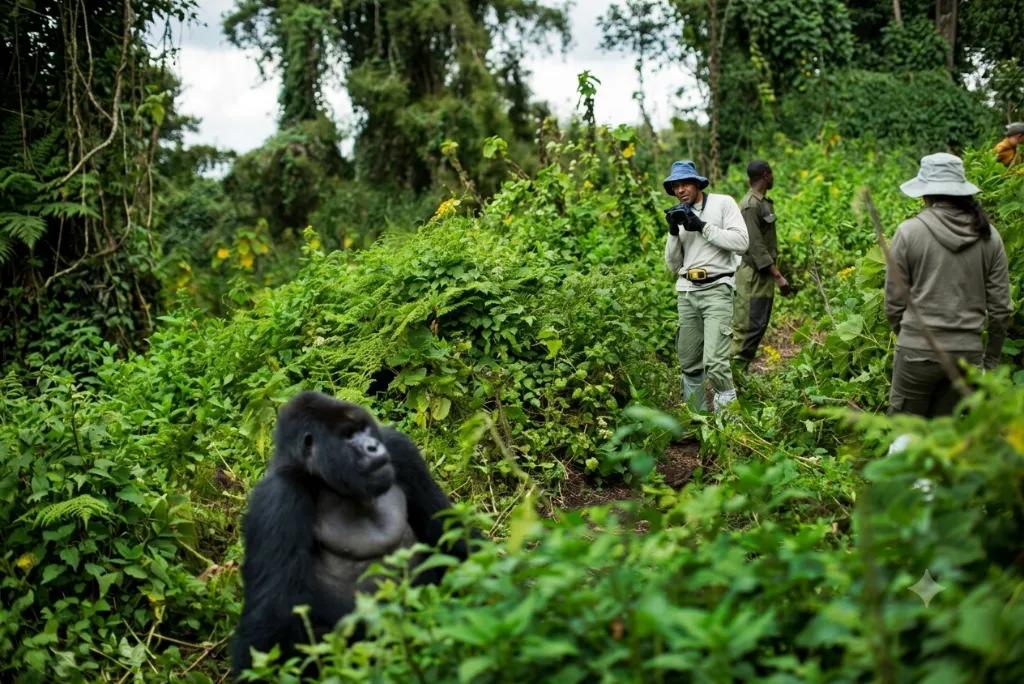
None of that surprised our guide Moses. He has spent years leading people into Bwindi, and he still talks about the forest the way you’d talk about someone you love. We understood why the moment we stood behind him on a trail slick with red mud, three hours in, when he lifted one hand and everything went still. Through a gap in the leaves, a silverback the size of a small car had settled down to eat, close enough to hear him breathing, entirely unbothered that eight strangers were watching.
Nobody said a single word for the whole hour we were allowed to stay. There are places on this earth that make you want to talk, and then there is Bwindi, which makes you want to stay quiet and just watch.
That single hour is why a Uganda safari has become one of the most requested additions to a Kenya or Tanzania trip that we build at Africa Bed of Roses Safaris, and increasingly the reason people book a trip to Africa in the first place. This guide covers everything we tell every client before they go: where to go, when to go, what a gorilla permit really costs, how the trekking works, and how effortlessly Uganda folds into the rest of an East Africa itinerary.
Where is Uganda and How Do You Get There
Uganda sits landlocked in East Africa, bordered by Kenya to the east, Tanzania and Rwanda to the south, the Democratic Republic of Congo to the west, and South Sudan to the north. Winston Churchill famously called it the Pearl of Africa in his 1908 travel account, and the description has stuck for good reason, the country packs savannah, rainforest, mountains, and the source of the Nile into a landmass roughly the size of Oregon.
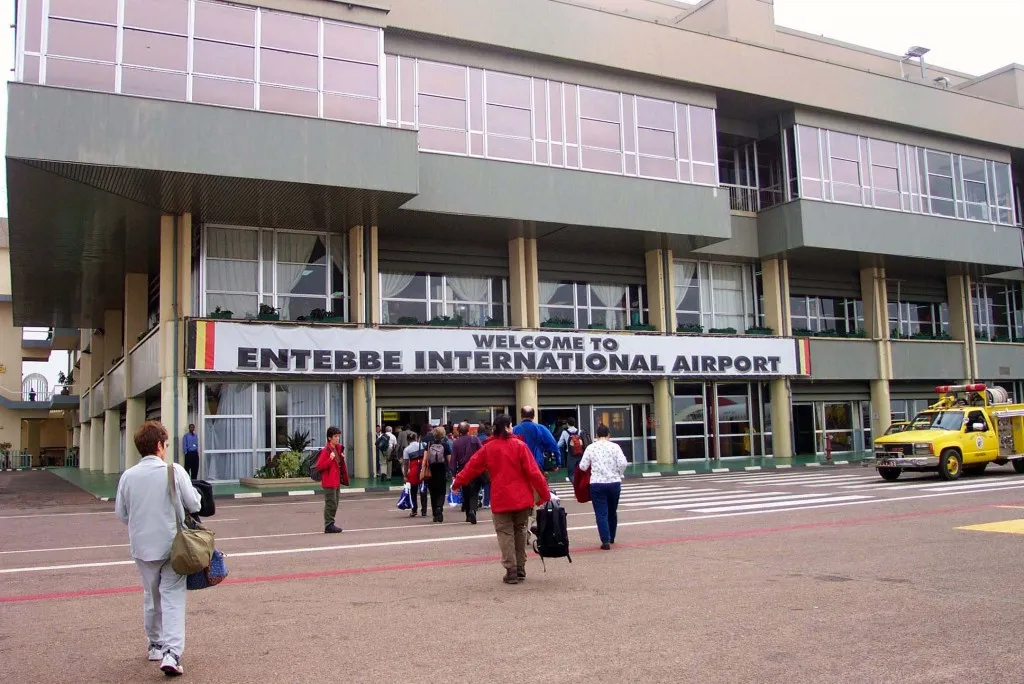
Entebbe International Airport, on the shores of Lake Victoria, is where nearly every Uganda safari begins. Most itineraries spend a first night near Entebbe or Kampala before heading west toward the parks, since gorilla trekking regions sit six to nine hours by road from the capital. Because of these long driving distances, many operators, including ours, build in a domestic charter flight to save a full day of travel.
For travelers combining Uganda with a Kenya or Tanzania Safari, connections through Nairobi are frequent and straightforward, making a two country itinerary genuinely easy to arrange rather than a logistical headache.
When to Visit Uganda for Safari and Gorilla Trekking
Uganda’s equatorial location keeps temperatures fairly consistent year round, so the real question is rainfall, since it directly affects trekking conditions in the forest and road conditions between parks.
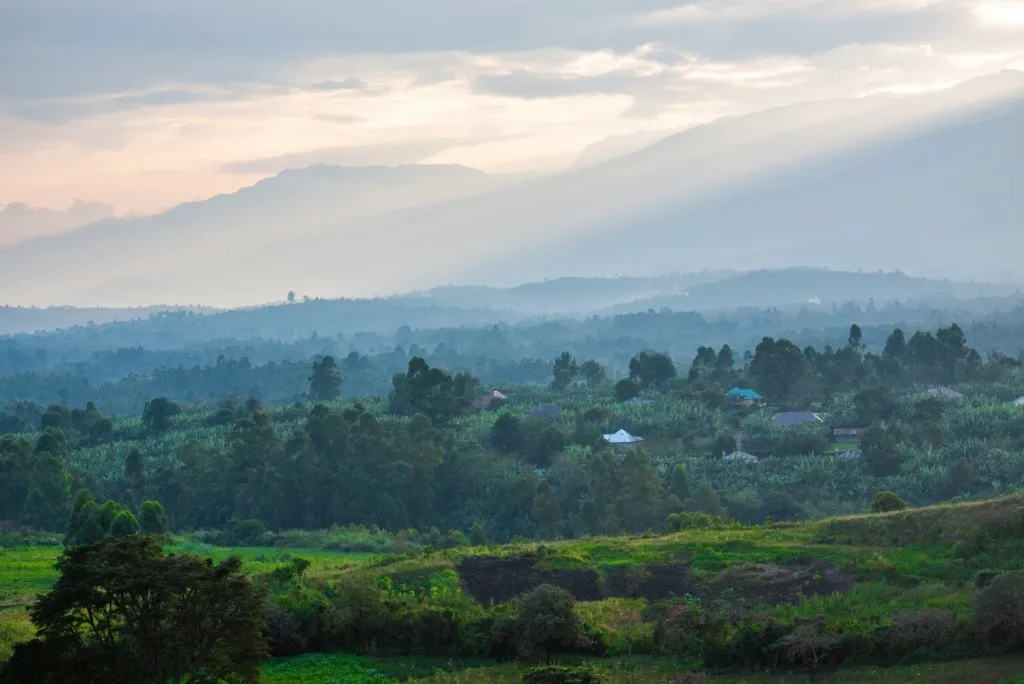
Dry Seasons: June to August and December to February
These months bring the driest trails and the clearest views, making them the best time for both gorilla trekking and classic game viewing in the savannah parks. June through September also counts as high season, though Uganda rarely feels crowded even then, since visitor numbers across the country remain far lower than in Kenya or Tanzania.
Book gorilla permits well ahead of these months regardless. Permit numbers are strictly limited every single day of the year, and dry season dates sell out first.
Wet Seasons: March to May and September to November
Rain during these months makes forest trails muddier and more physically demanding, and some dirt roads between parks become difficult to pass. The upside is real: lower rates, thinner crowds, lush green scenery, excellent birdwatching, and newborn wildlife across the savannah parks.
One detail worth knowing before you book a wet season trek: if your gorilla trekking day is rained out, the trek still goes ahead as scheduled and the permit is not refunded or rescheduled for weather. Some tour operators note that low season permits, typically in April, May, and November, are sold at a discounted rate, so ask your operator directly about current pricing for your travel dates.
Gorilla Trekking in Uganda: How It Actually Works
Gorilla trekking is a tightly regulated, deliberately limited activity, and understanding the mechanics before you go makes the day itself far less stressful.
Permits
A standard gorilla trekking permit for foreign non residents costs USD 800, issued by the Uganda Wildlife Authority and covering one hour with a habituated gorilla family once you locate them. This is considerably more affordable than the equivalent permit in Rwanda, priced at USD 1,500, which is the single biggest reason serious travelers increasingly choose Uganda over its neighbor for this specific experience.
Only a fixed number of trekkers are permitted per gorilla family each day, generally around eight people, which keeps the encounter genuinely intimate rather than crowded. Permits should be booked at least six to nine months in advance for peak season dates, and earlier still for Christmas and New Year.
For travelers who want more time with the gorillas, Uganda also offers a Gorilla Habituation Experience, allowing up to four hours with a semi habituated family alongside researchers and trackers, priced around USD 1,500. It is only available in Bwindi and only in limited numbers, so it needs to be requested specifically when booking.
The Trek Itself
Trekking time varies enormously depending on where the gorilla family has moved to that day, anywhere from two hours to a full day of hiking through dense, often steep forest terrain. Rangers track the family’s movements from the previous night’s nest site, and once located, visitors are given a strict hour with them before departing, maintaining a minimum distance of seven meters to protect the gorillas from human disease transmission.
Fitness matters more here than on a typical game drive safari. Trails are unpaved, often muddy, and can involve real elevation gain. Porters are available to hire at the trailhead for a modest fee and are genuinely worth it, both for carrying gear and for the extra hand up a slippery slope.
Experienced guides in the region often suggest trekking twice if your schedule allows it. The first encounter tends to be overwhelming enough that many visitors barely process what they are seeing, while a second trek, ideally with a different family, allows for a calmer, more observant experience.
Where to Go in Uganda: Parks and Regions
Uganda’s parks divide naturally into primate forests in the southwest and classic savannah reserves further north and west, and a well built itinerary usually draws from both.
Bwindi Impenetrable National Park
Bwindi is Uganda’s premier gorilla trekking destination and a UNESCO World Heritage Site since 1994, protecting nearly half the world’s remaining mountain gorilla population inside an ancient, biodiverse montane rainforest. The park holds 17 habituated gorilla families spread across four trekking sectors, Buhoma, Ruhija, Rushaga, and Nkuringo, each with a slightly different character and difficulty level.
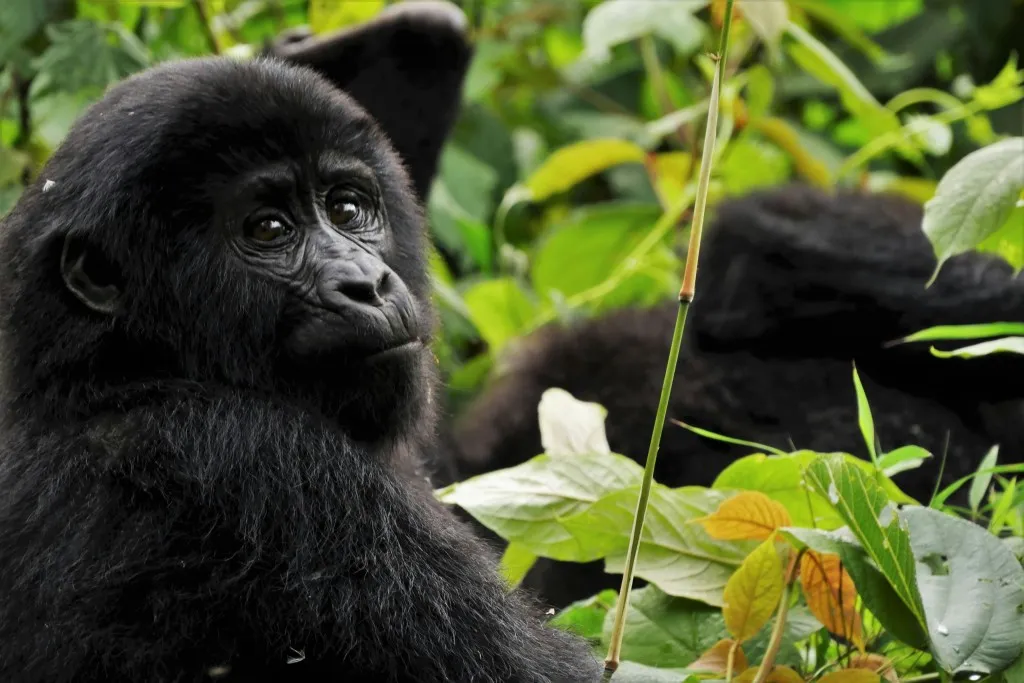
Buhoma suits first time trekkers and those wanting easier terrain close to established lodges. Rushaga offers the widest choice of families and is the main base for the Gorilla Habituation Experience. Ruhija rewards birdwatchers and photographers, while Nkuringo delivers the most physically demanding, remote trekking for travelers who want it.
Mgahinga Gorilla National Park
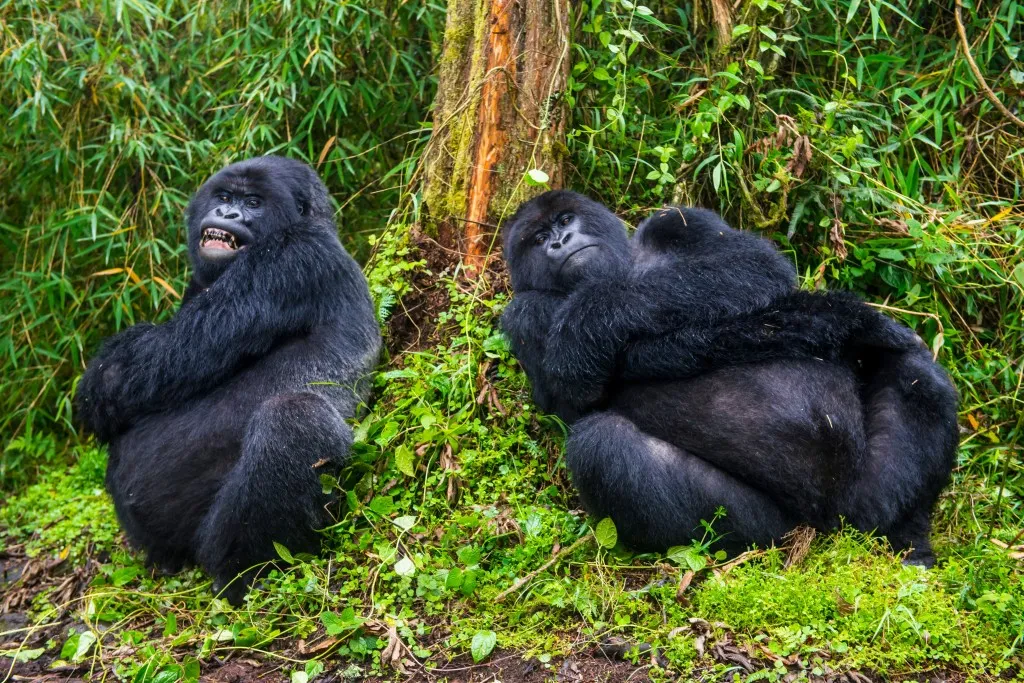
Mgahinga sits in the Virunga Mountains on Uganda’s border with Rwanda and Congo, home to a single habituated gorilla family, the Nyakagezi group, along with golden monkey trekking on the slopes of extinct volcanoes. Because the gorillas here sometimes cross into neighboring countries, most operators, ourselves included, direct clients toward Bwindi first and treat Mgahinga as a secondary option.
Kibale National Park
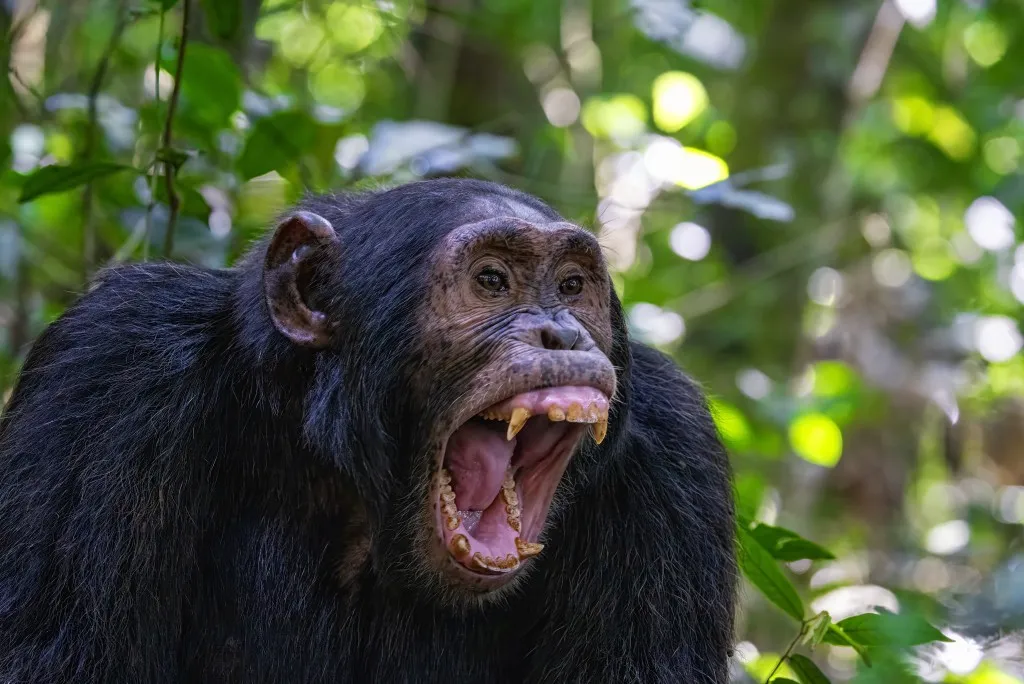
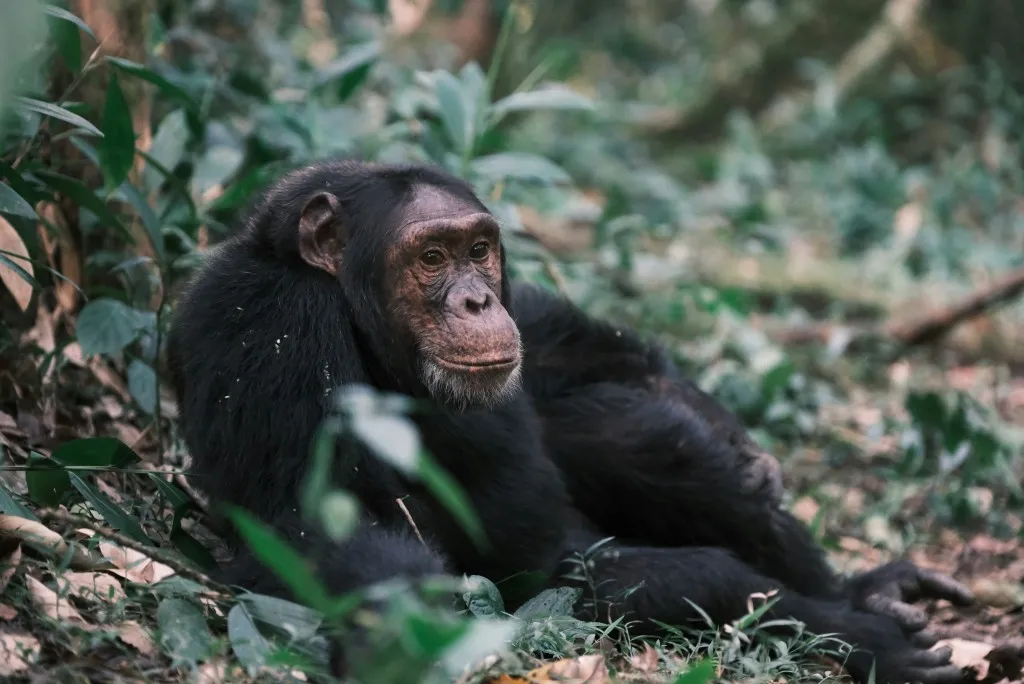
Kibale holds the highest density of primates anywhere in Africa, with 13 species recorded, and stands as the continent’s premier destination for chimpanzee tracking. Habituated communities here number over a hundred individuals, and the success rate for finding them on any given trek is excellent. Kibale pairs naturally with a visit to nearby Bigodi Wetland for outstanding birdwatching.
Queen Elizabeth National Park
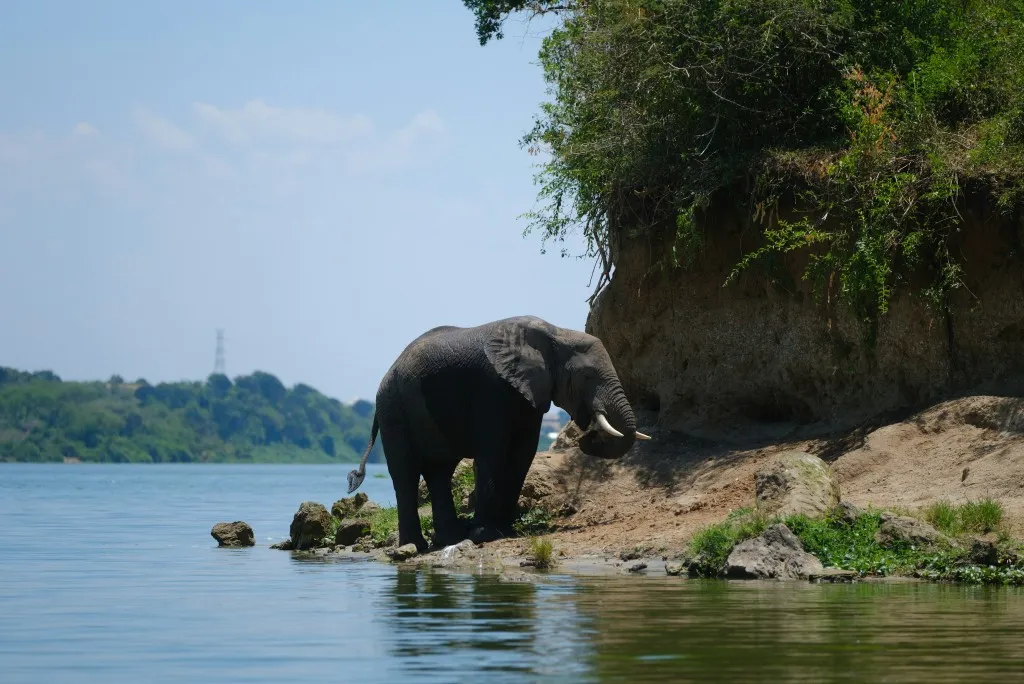
Queen Elizabeth is Uganda’s most biologically diverse park, spanning crater lakes, savannah, and the Kazinga Channel, a natural waterway connecting Lake Edward and Lake George that concentrates enormous numbers of hippo, buffalo, and elephant along its banks. A boat cruise on the channel is one of the most reliable wildlife experiences in the entire country.
The park’s signature draw is the tree climbing lions of the Ishasha sector, a rare, still not fully understood behavior seen in only a handful of places on the continent. Chimpanzee tracking is also available here at Kyambura Gorge, sometimes called the Valley of Apes, for travelers who cannot fit Kibale into their route.
Murchison Falls National Park
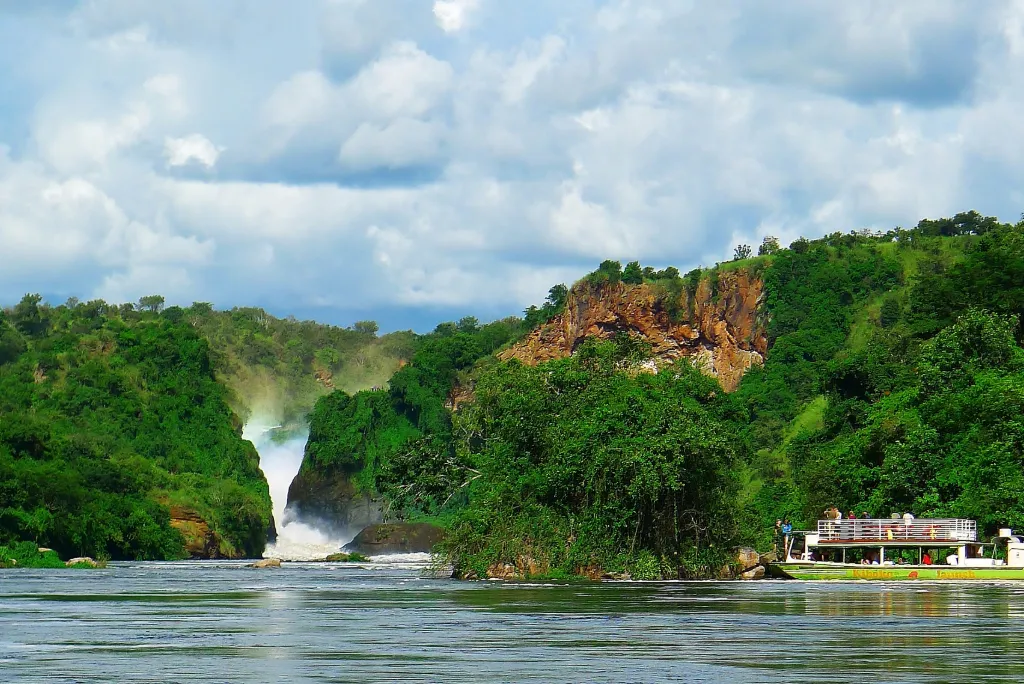
Uganda’s largest park is bisected by the Nile River, which narrows dramatically and forces itself through a gap barely seven meters wide before plunging over Murchison Falls, one of the most powerful waterfalls in the world by volume. The park holds strong populations of the full Big Five alongside Rothschild’s giraffe and the endemic Uganda kob.
A launch cruise on the Nile below the falls is the best way to see wildlife here, with regular sightings of hippo, crocodile, and elephant along the banks, plus a real chance at spotting the famously elusive shoebill stork near the Lake Albert Delta.
Kidepo Valley National Park
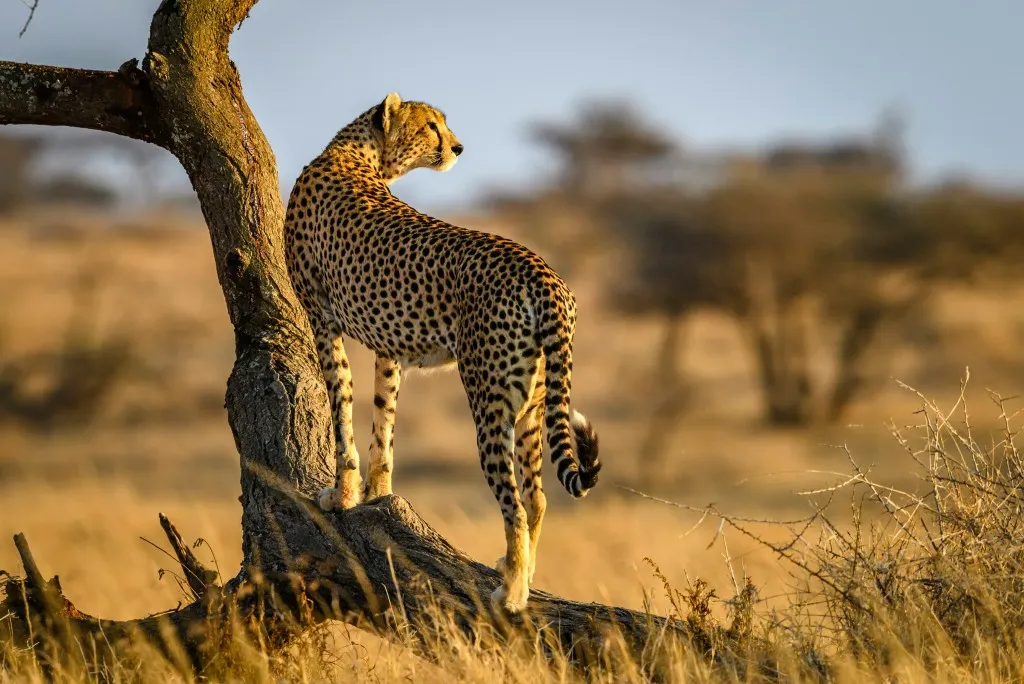
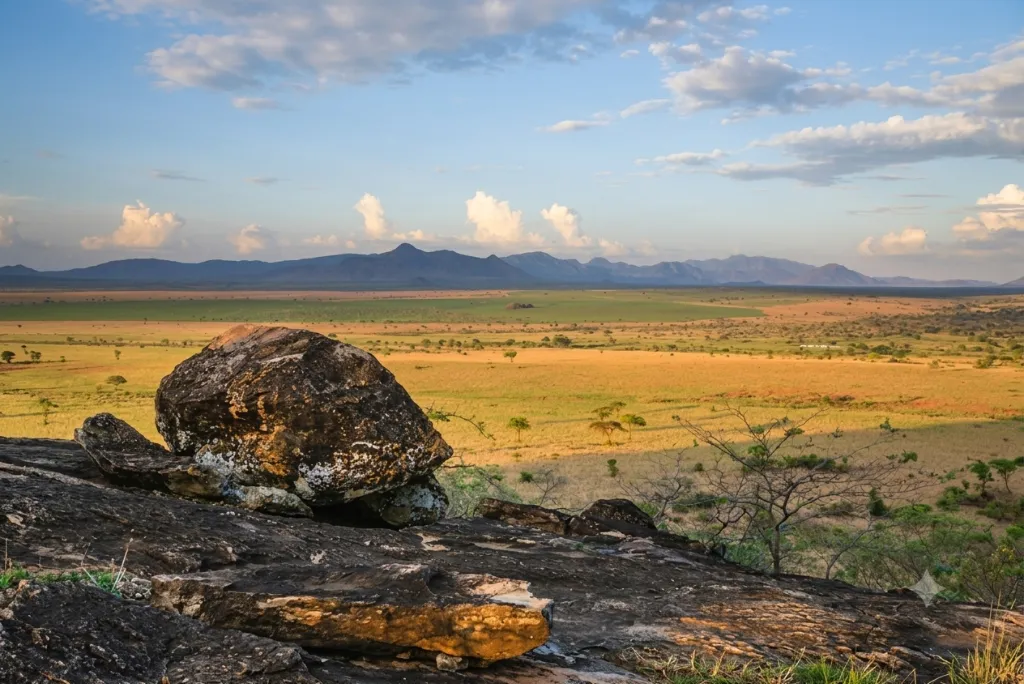
Tucked into Uganda’s remote northeastern corner, Kidepo is the country’s least visited major park and rewards the travelers who make the effort to reach it with genuinely untouched wilderness, cheetah, and species found nowhere else in Uganda. Very few standard itineraries include it, which is exactly the appeal for repeat visitors.
Gorilla Trekking Permit Cost by Country
| Country | Standard Permit Cost | Time With Gorillas |
| Uganda (Bwindi or Mgahinga) | USD 800 per person | 1 hour |
| Rwanda (Volcanoes National Park) | USD 1,500 per person | 1 hour |
| Democratic Republic of Congo (Virunga) | USD 400 per person | 1 hour |
| Uganda Gorilla Habituation Experience | USD 1,500 per person | Up to 4 hours |
Our Recommended Uganda Safari Route
For travelers with roughly a week in Uganda, this is the sequence we suggest most often, built around minimizing driving time while still covering both primate trekking and classic game viewing.
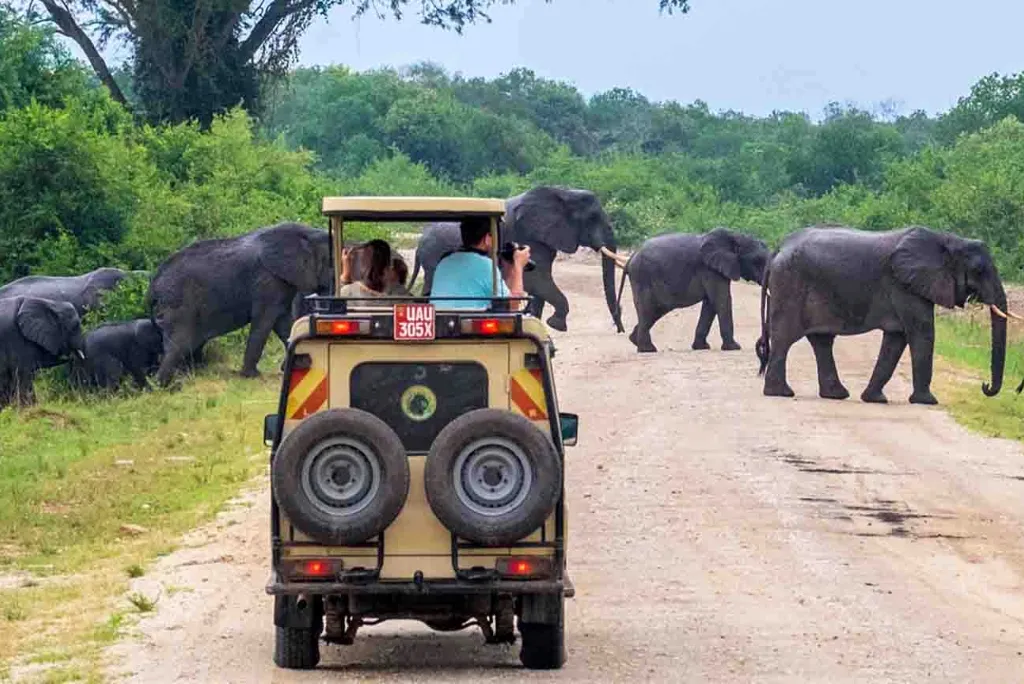
Arrive into Entebbe and spend your first night nearby rather than pushing straight into a long drive after an international flight. A short visit to the Uganda Wildlife Education Centre or a walk along Lake Victoria is an easy, low effort way to begin.
Fly or drive to Bwindi for your gorilla trekking, allowing two nights so a rest day or second trek is possible if your schedule allows. This is the part of the trip nobody rushes through if they can help it.
Continue to Queen Elizabeth National Park for two nights, combining a Kazinga Channel boat cruise with game drives in the Ishasha sector in search of the tree climbing lions.
If time allows, add Kibale National Park for chimpanzee tracking before flying back to Entebbe, or extend north to Murchison Falls for Nile launch cruises and Big Five game drives. Both are excellent additions and the choice usually comes down to how many days you have left.
How Long Should You Stay in Uganda
Four to six days covers the essentials well: gorilla trekking in Bwindi plus one additional park, typically Queen Elizabeth. This is the length most of our clients choose when Uganda is an add on to a longer Kenya or Tanzania trip.
Seven to ten days allows a fuller circuit, gorillas in Bwindi, chimpanzees in Kibale, and classic game viewing across Queen Elizabeth and Murchison Falls, without feeling rushed between any of them.
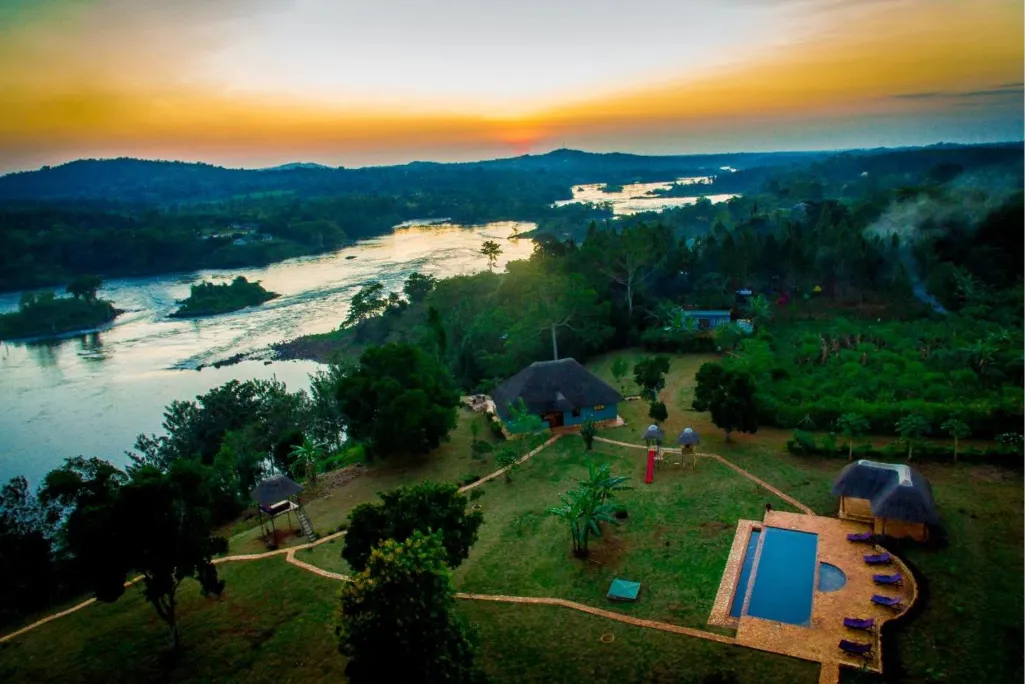
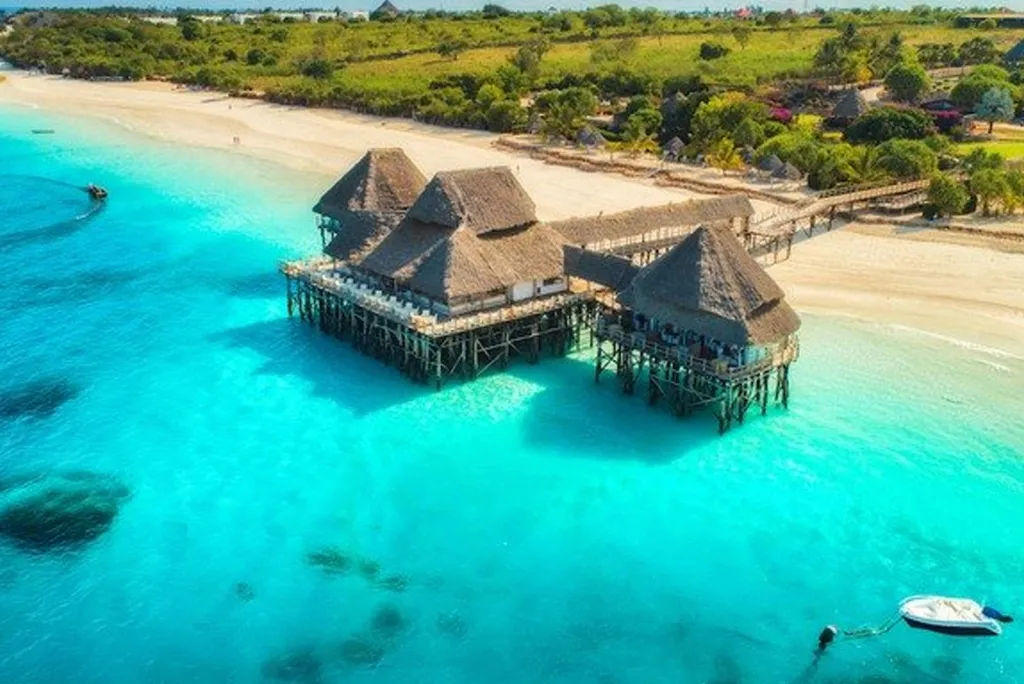
Uganda combines naturally with the rest of East Africa, and many of our clients build a single trip that opens with the Great Migration in the Masai Mara or Serengeti, moves into Uganda for primates, and closes with several nights in Zanzibar to decompress. It sounds ambitious on paper and works remarkably well in practice, since flight connections between all three countries are frequent.
Is a Uganda Safari Expensive
The gorilla permit is the single line item that shapes a Uganda safari budget more than anything else, and at USD 800 it remains genuinely more accessible than the Rwandan equivalent while delivering an experience that is, by every account we have heard from clients who have done both, every bit as powerful.
Beyond the permit, a mid range Uganda safari including accommodation, ground transport, a private guide, and park fees typically runs from around USD 2,500 to 4,500 per person for a four to six day trip, with luxury lodges and habituation experiences pushing that figure considerably higher. Budget options exist too, particularly for chimpanzee tracking and the savannah parks, which carry lower entry fees than gorilla trekking.
Domestic charter flights between regions add real cost but save entire days of driving on rough roads, and for travelers with limited time, we generally recommend the flight over the savings.
What to Pack for a Uganda Safari
Uganda’s packing list differs from a classic savannah safari in one major respect: gorilla trekking demands genuine hiking gear, not just safari casual wear.
Sturdy, waterproof hiking boots with good ankle support are essential, along with waterproof trousers and a rain jacket regardless of season, since rainforest weather is unpredictable even in the dry months. Long sleeves and long trousers protect against nettles and biting insects on the trail, and gardening gloves are a genuinely useful, often overlooked item for pushing through vegetation.
Pack a daypack for water, snacks, and rain gear during the trek itself, along with a dry bag or waterproof cover for your camera. A good zoom lens matters for gorilla photography, since the seven meter minimum distance rule means you will not be as close as documentary footage often suggests.
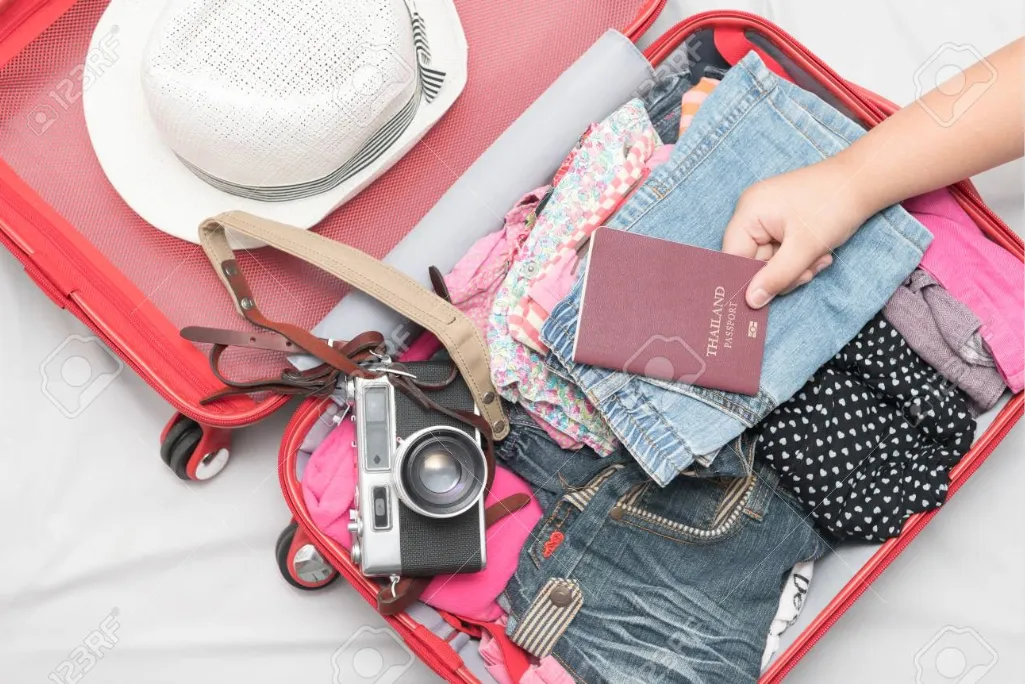
For the rest of the trip, standard safari packing applies: lightweight neutral clothing for game drives, a warm layer for early mornings, and binoculars for both the savannah parks and Uganda’s exceptional birdlife.
Beyond Gorillas What are Other Top Things to Do in Uganda
Chimpanzee Tracking in Kibale
Kibale remains the single best place in Africa to track chimpanzees, with habituated communities that behave naturally around visitors and a high success rate for sightings. The experience runs shorter and less physically demanding than gorilla trekking, making it an excellent complement rather than a substitute.
Kazinga Channel Boat Safari
This two hour cruise through Queen Elizabeth National Park delivers some of the most concentrated wildlife viewing in the country, with hippo pods, basking crocodiles, elephant herds coming down to drink, and prolific birdlife along both banks.
Nile Launch Cruise and Murchison Falls
A boat trip below Murchison Falls combines strong Big Five sightings with a chance at the shoebill stork near the Lake Albert Delta, while a hike to the top of the falls themselves offers a dramatic view of the Nile forcing its way through a narrow rock gorge.
White Water Rafting and Adventure Sports in Jinja
Jinja, at the source of the Nile, has become East Africa’s adventure sports hub, with white water rafting, bungee jumping, kayaking, and stand up paddleboarding all on offer. It is an easy, energetic add on for travelers looking for something beyond wildlife viewing.
Golden Monkey Trekking in Mgahinga
On the slopes of the Virunga volcanoes, golden monkey trekking offers a lighter, shorter alternative to gorilla trekking, well suited to travelers short on time or budget who still want a genuine primate encounter.
Batwa Cultural Experience
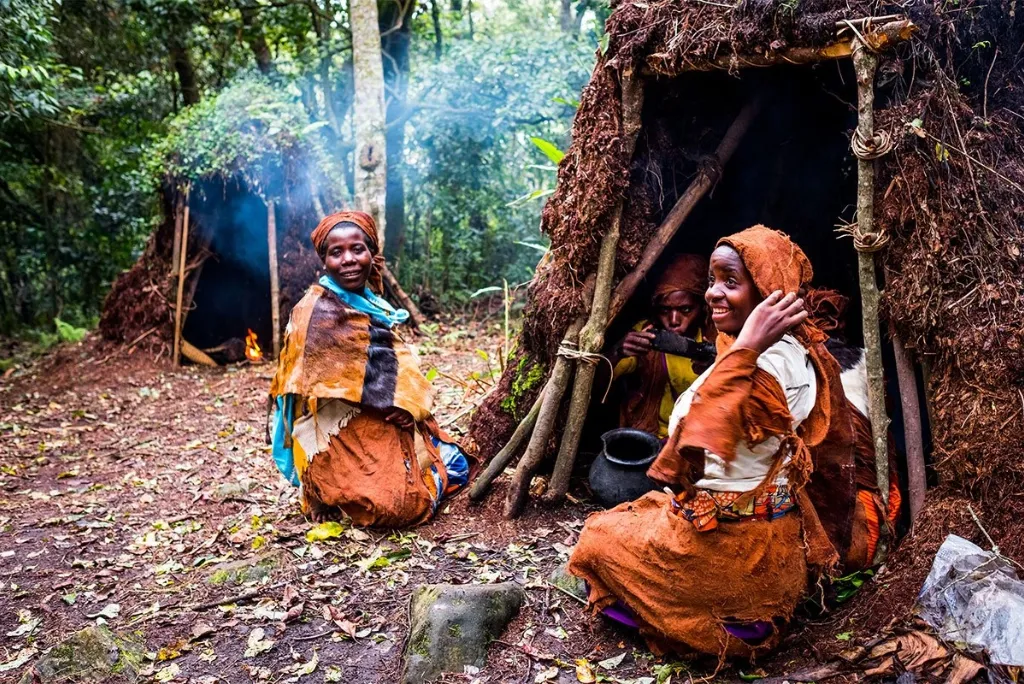
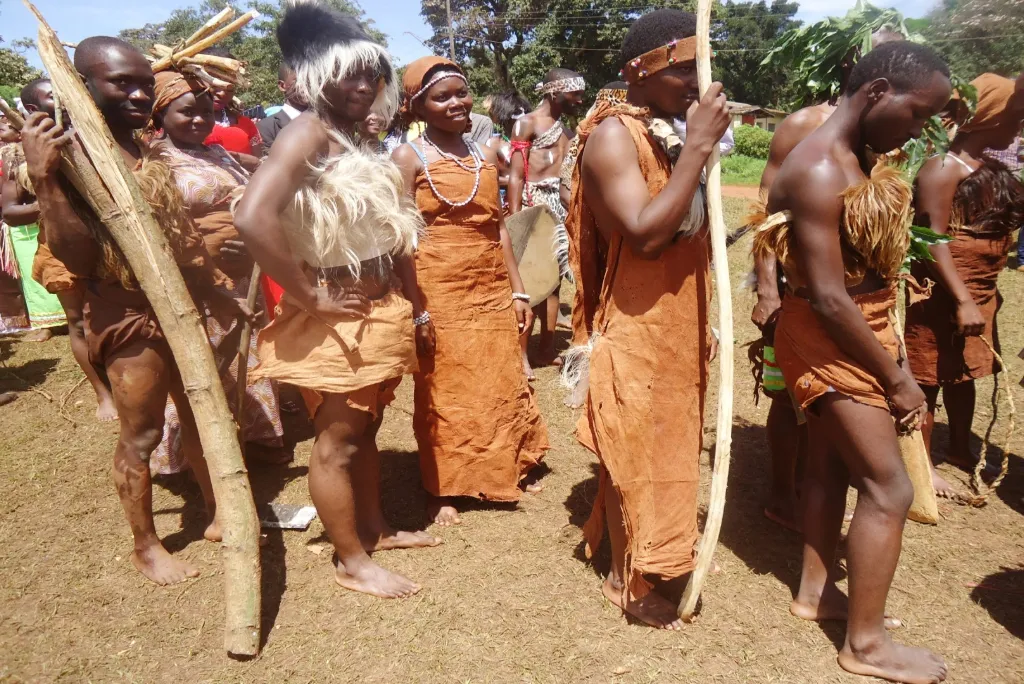
Near Bwindi and Mgahinga, visits to Batwa communities offer insight into the indigenous forest people who lived in these forests for generations before conservation policy relocated them outside park boundaries. Done respectfully, through operators who work directly with Batwa guides, this is one of the more genuinely moving cultural experiences available in the region.
Wildlife and Birdlife in Uganda
Uganda’s wildlife story is dominated by primates, and rightly so. The country hosts 20 primate species across its forests, including mountain gorillas, chimpanzees, golden monkeys, and black and white colobus, a density of primate diversity unmatched anywhere else on the continent.
Beyond primates, the savannah parks hold strong populations of elephant, buffalo, hippo, and the endemic Uganda kob, along with Rothschild’s giraffe concentrated in Murchison Falls and the famous tree climbing lions of Ishasha in Queen Elizabeth.
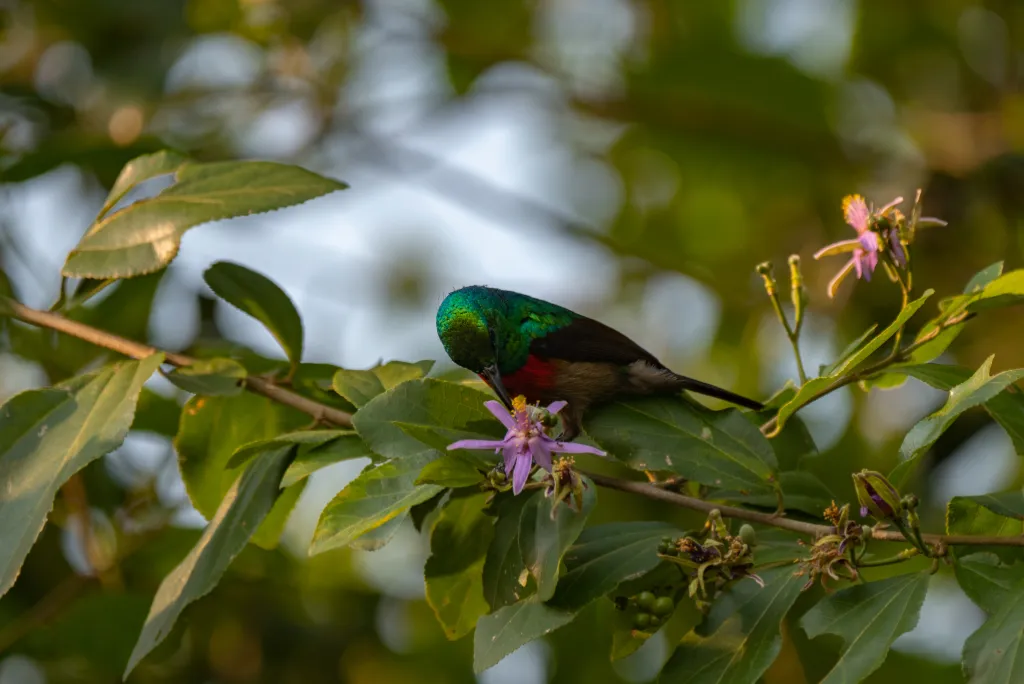
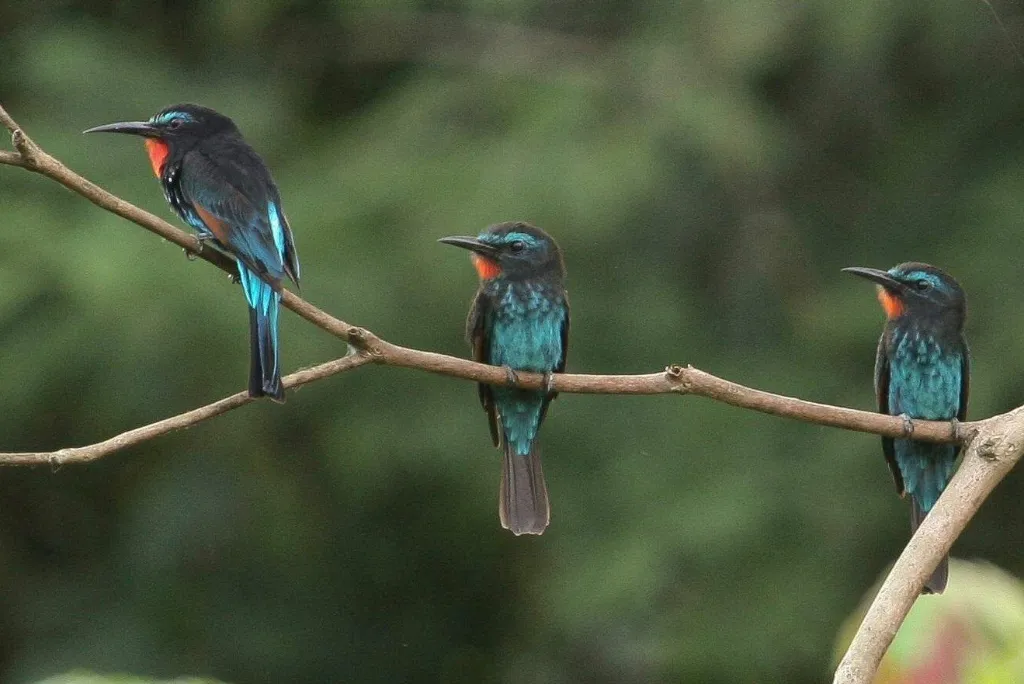
Birders consider Uganda one of the finest destinations on the continent, with over 1,000 recorded species. The shoebill stork, an enormous, prehistoric looking bird found in swampy wetlands including the Lake Albert Delta and Mabamba Swamp near Entebbe, is the single most sought after sighting for serious birders visiting the country.
Entry Requirements: Visa and Health
Visa
Most international visitors can apply for a Uganda e-visa online in advance of travel, and the process is generally straightforward. Apply at least a few weeks before departure and confirm current requirements for your specific nationality, since rules and fees can change.
Yellow Fever Vaccination
A yellow fever vaccination certificate is mandatory for entry into Uganda, regardless of which country you are arriving from. This is stricter than the requirements for Kenya or Tanzania, where the certificate is only required if arriving from a country with transmission risk, so build the vaccination timeline into your planning even if you have already traveled elsewhere in East Africa without needing it.
Malaria and General Health
Uganda sits entirely within a malaria risk zone, so prophylaxis is strongly recommended for the whole trip, along with a good DEET based repellent for evenings. Comprehensive travel insurance with medical evacuation cover matters here as much as anywhere in East Africa, given how remote some of the parks are.
Is Uganda Safe to Visit
Uganda is a safe, welcoming destination for travelers, and the tourist areas around the national parks in particular see very little crime given how few visitors pass through compared to Kenya or Tanzania. As with anywhere, standard precautions apply in Kampala and Entebbe: keep valuables secure, use registered taxis, and stay aware of your surroundings after dark.
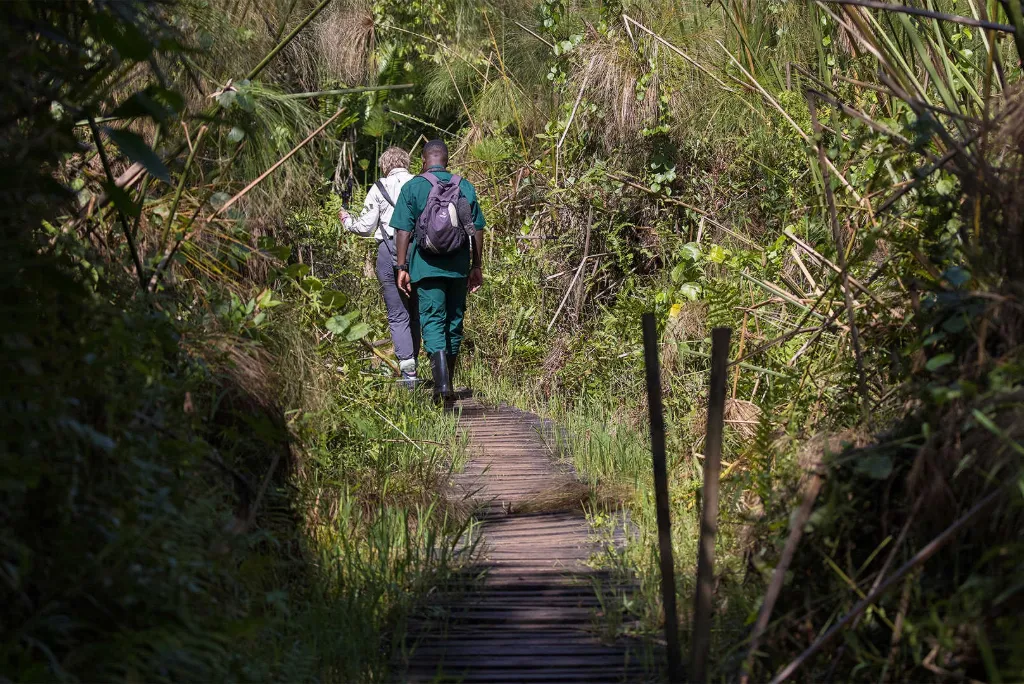
Inside the parks themselves, the primary safety consideration is simply following your guide’s instructions closely, particularly the seven meter minimum distance rule during gorilla trekking, which exists to protect the gorillas from human disease as much as to protect visitors.
As with any international trip, check your home country’s current travel advisory before departure for the latest official guidance.
How to Choose a Reputable Uganda Safari Operator
Gorilla trekking in particular rewards working with an operator who genuinely knows the region, since a poorly matched gorilla family assignment or a badly timed itinerary can turn an extraordinary day into an exhausting one.
Permit Handling
Ask exactly how your operator secures permits and how far in advance they book. A reputable operator books permits directly through the Uganda Wildlife Authority months ahead of your trip and will be transparent about which specific gorilla family and trekking sector you are assigned to, rather than leaving that detail vague until arrival.
Guides
The quality of your ranger guide on trekking day affects everything, from how efficiently the family is located to how much context and storytelling accompanies the hour you spend with them. Ask your operator about guide experience specifically in the sector you will be trekking.
An Honest Note on Fitness and Expectations
We would rather tell you this before you book than have you discover it on the trail. Gorilla trekking is genuinely physically demanding, sometimes involving several hours of steep, muddy hiking at altitude, and it is not the same experience as a seated game drive. If mobility is a serious concern, discuss it honestly with your operator beforehand, since porters and, in some cases, sedan chairs can be arranged, but the terrain itself cannot be changed.
We would also caution against any operator who promises a guaranteed short, easy trek. Gorilla families move daily and nobody, including the rangers, knows exactly where they will be until the morning of your trek.
Frequently Asked Questions
How much does gorilla trekking cost in Uganda?
A standard gorilla trekking permit costs USD 800 per person, covering one hour with a habituated family. This compares to USD 1,500 in Rwanda and USD 400 in the Democratic Republic of Congo. The Gorilla Habituation Experience in Bwindi, offering up to four hours with a family, costs around USD 1,500.
How long is a gorilla trek?
Trekking time to reach the gorillas ranges from about two hours to a full day, depending entirely on where the family has moved to that morning. Once located, visitors spend a strict one hour with them, or up to four hours on a habituation permit.
What is the best time for gorilla trekking in Uganda?
The dry seasons, June through August and December through February, offer the easiest trail conditions. The wetter months bring muddier, more physically demanding trails but lower rates and excellent birdwatching.
Should I choose Uganda or Rwanda for gorilla trekking?
Both offer genuinely comparable encounters with mountain gorillas. Uganda’s permits cost roughly half of Rwanda’s, and Uganda additionally offers world class chimpanzee tracking and classic savannah game viewing within the same country, which is why we recommend it as the stronger overall value for most travelers.
Can gorilla trekking be combined with a Kenya or Tanzania safari?
Yes, and it is one of the most rewarding combinations in African travel. Flight connections through Nairobi make it straightforward to pair the Great Migration in the Masai Mara or Serengeti with several days of primate trekking in Uganda, often finishing with beach time in Zanzibar.
Is yellow fever vaccination required for Uganda?
Yes, unlike Kenya or Tanzania, Uganda requires a yellow fever vaccination certificate for entry regardless of which country you are traveling from. Build this into your planning timeline early.
Talk to Plan Africa Bed of Roses Safaris If you’re thinking of a Uganda safari
Whether gorilla trekking is the entire point of your trip or one remarkable chapter within a longer East Africa itinerary, we handle the permit booking, the routing, and the details that make the difference between a good trek and an extraordinary one. Reach out to our team and we will build a Uganda itinerary, standalone or combined with Kenya, Tanzania, or Zanzibar, around exactly what you want to experience.