



Rwanda’s tourism board did not expect to win Best Tourism Infrastructure in London this year. Small countries do not usually beat South Africa and Kenya at their own game, and yet in 2025 Rwanda did exactly that at the Africa Tourism Awards, then picked up a Wanderlust Bronze for Most Desirable Emerging Destination a few months later. Tourism now makes up roughly one in every ten dollars of the country’s entire GDP.
Here is what that number does not tell you. It does not tell you that the road out of Kigali climbs through hills terraced with tea almost to the summit, on and on, until you genuinely lose count of how many you have passed. It does not tell you that Lake Kivu has no crocodiles and no hippos, so you can swim in an African lake without once thinking about what might be underneath you. It does not tell you that a country most people still associate with 1994 is now ranked the safest in East Africa, streets clean enough that you could eat off them, which is not a figure of speech there, it is close to literal.
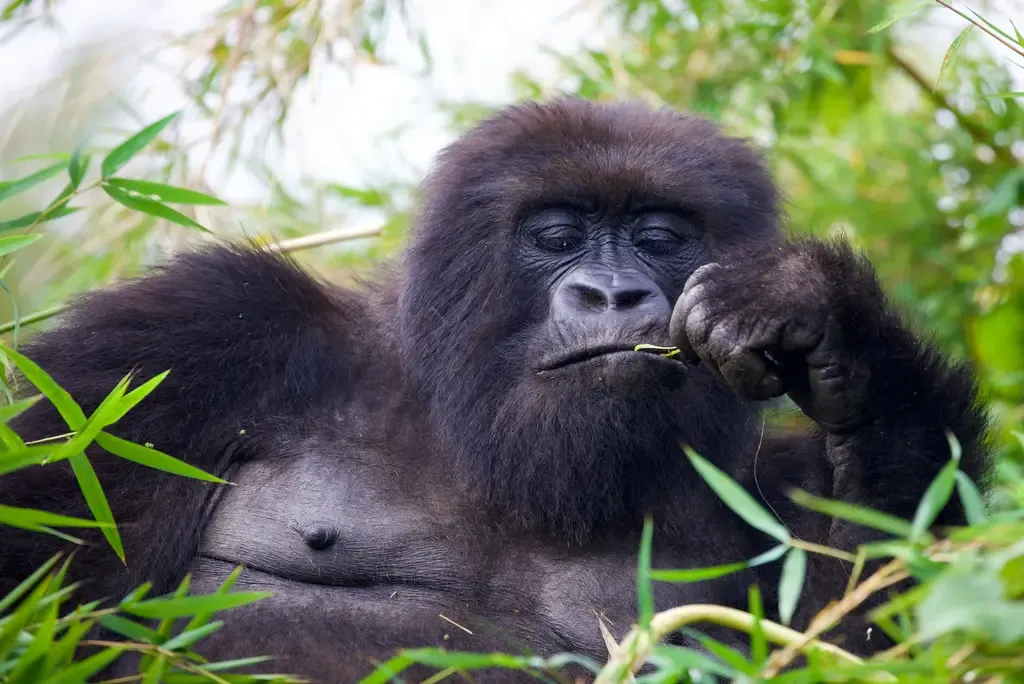
And it definitely does not tell you what it feels like to stand ten meters from a mountain gorilla who could kill you in seconds and has decided, instead, to simply keep eating.
Rwanda built all of this on purpose. Lions were gone from the country by 2000. Rhinos vanished for a full decade. Both came back through deliberate, expensive reintroduction programs that most countries would have given up on. The gorillas survived because one scientist refused to leave the mountain even after poachers killed her favorite one. None of what Rwanda is selling you now happened by accident.
At Africa Bed of Roses Safaris, we build Rwanda trips around the whole story, the hills, the lake, the coffee, the comeback, not just the hour with the silverback. This guide covers everything we tell every client before they book.
Where is Rwanda and How Do You Get There
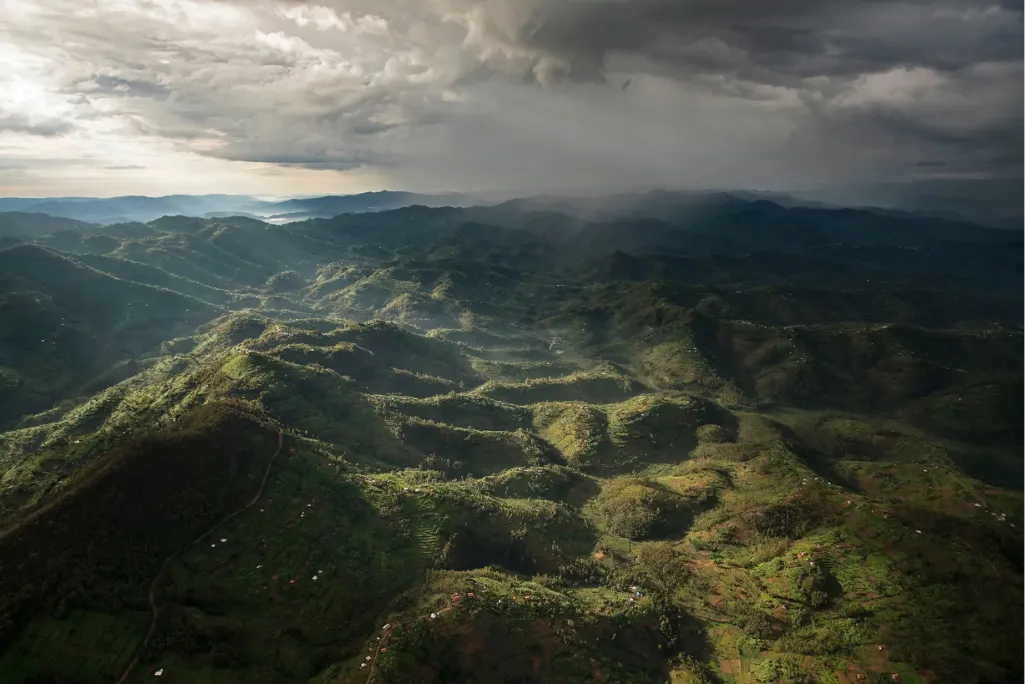
Rwanda sits in the heart of East Africa, bordered by Uganda to the north, Tanzania to the east, Burundi to the south, and the Democratic Republic of Congo to the west. Known as the Land of a Thousand Hills, it is small enough to drive across in a day, a rare quality among safari destinations that makes planning genuinely straightforward.
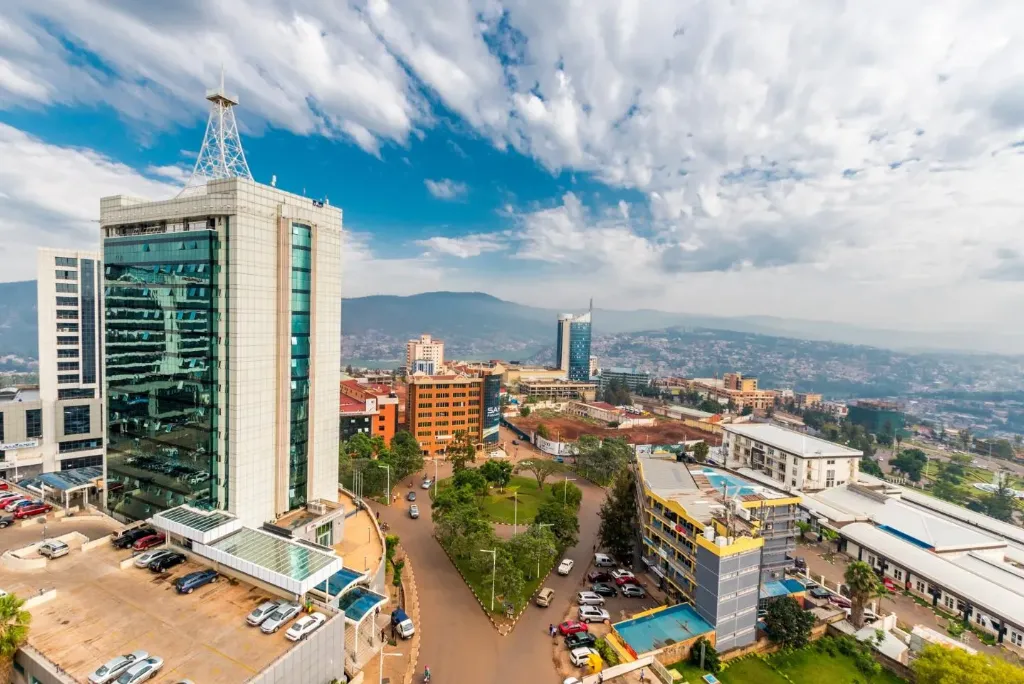
Kigali International Airport sits at the center of the country and receives direct flights from London, Brussels, Amsterdam, Doha, and Dubai, along with several African hubs. Travelers from the United States typically connect through one of these gateways, reaching Kigali with a single stop.
From the airport, Volcanoes National Park is only a two and a half hour drive north on smooth, paved roads, a striking contrast to the longer, rougher transfers common elsewhere in East Africa. For travelers combining Rwanda with Uganda, a single Kigali or Kampala based operator can arrange the entire border crossing, which removes most of the logistical headache from a two country primate trip.
When to Visit Rwanda for Gorilla Trekking and Safari
Rwanda’s climate follows two dry seasons and two wet seasons each year, and the difference between them shapes trekking conditions, park crowds, and lodge rates far more than temperature does.
The Long Dry Season: June to Mid October
This is Rwanda’s most popular stretch, with the driest trails for gorilla trekking and the easiest wildlife viewing in Akagera as animals gather around dwindling water sources. It is also peak season, meaning the highest lodge rates and permits that need booking nine to twelve months ahead.
The Short Dry Season: Mid December to February
Hot, sunny days and dry trails make this a strong alternative to the June to October window, though the heat pushes gorillas to higher, cooler elevations, which can mean a longer trek to reach them.
The Long Rainy Season: March to May
Rwanda’s quietest, cheapest months, with lodge discounts of up to 30 percent and permits readily available. The trade off is real: muddy trails, heavier rainfall, and occasionally impassable roads. One genuine upside is that gorilla treks tend to be shorter during this period, since fewer visitors mean guides direct groups to the closest habituated families rather than spreading them across the park.
The Light Rainy Season: Mid October to Mid December
Many experienced Rwanda travelers consider this the best kept secret on the calendar. Rainfall is lighter than the long rains, crowds are thin, permits are easier to secure, and prices sit well below peak season. September, just before this window opens, also brings the Kwita Izina gorilla naming ceremony at Volcanoes National Park, a genuine cultural celebration of the year’s new gorilla births.
Gorilla Trekking in Rwanda: How It Works
Permits and Cost
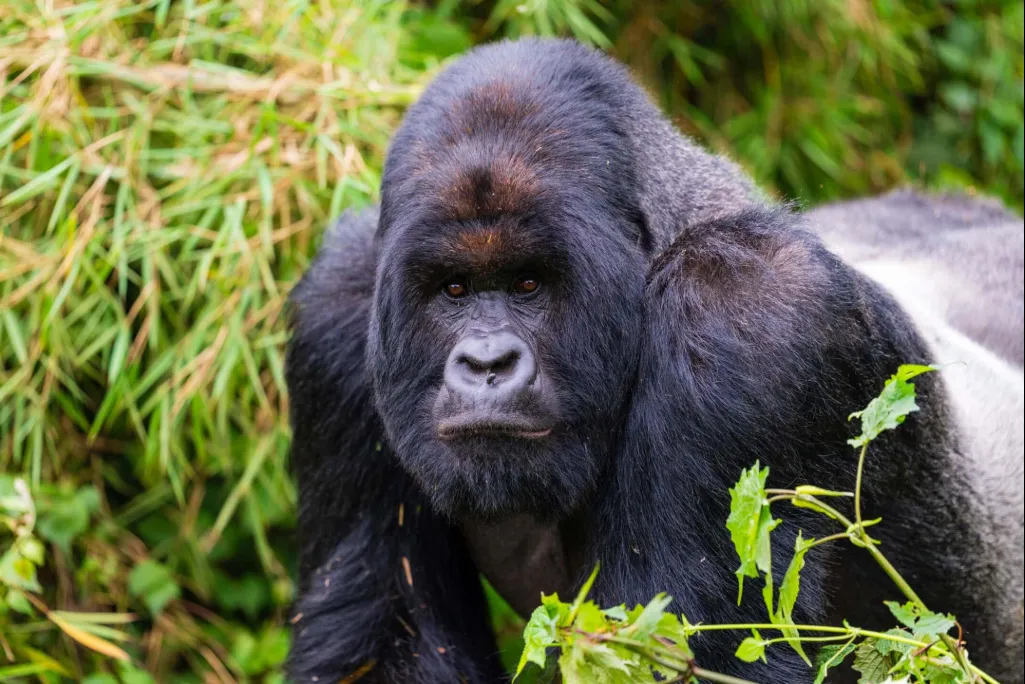
A standard gorilla trekking permit in Rwanda costs USD 1,500 per person, covering one hour with a habituated family in Volcanoes National Park. This is close to double Uganda’s USD 800 permit, and it remains the single biggest line item in any Rwanda safari budget.
The premium buys real advantages. Rwanda’s gorilla trekking is widely considered the most comfortable version of the experience available anywhere, with shorter drives to the trailhead, better road infrastructure throughout, and treks that are, on average, less physically punishing than the equivalent hike in Uganda’s Bwindi. Ten percent of every permit fee is reinvested directly into local communities, and farmers are compensated for any crop damage caused by gorillas outside the park boundary, which has made conservation a shared local priority rather than an imposed restriction.
The Trek Itself
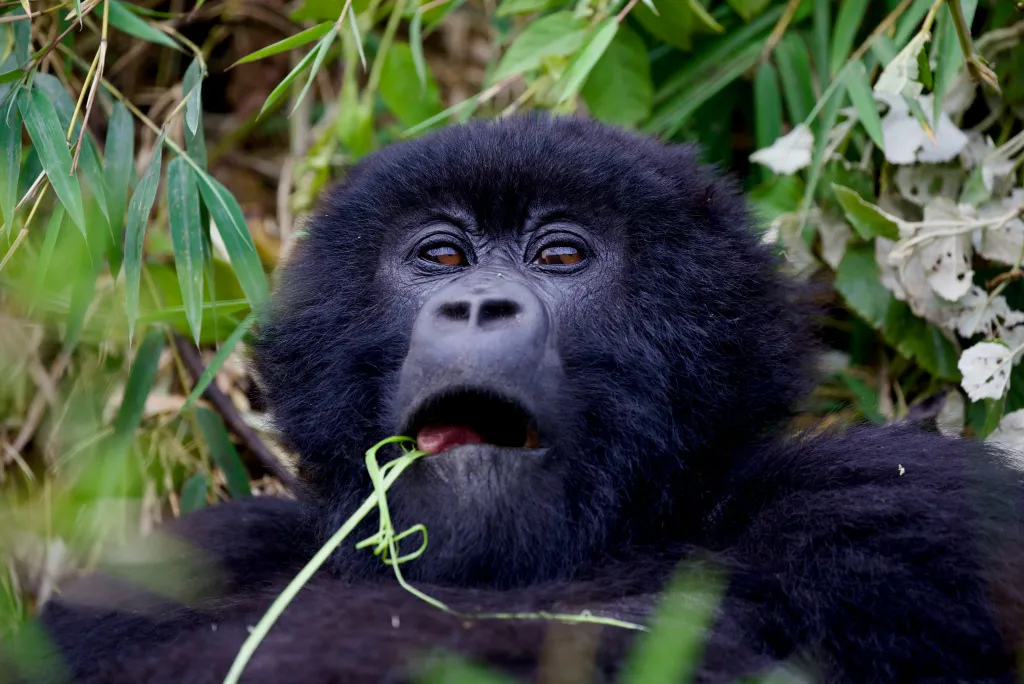
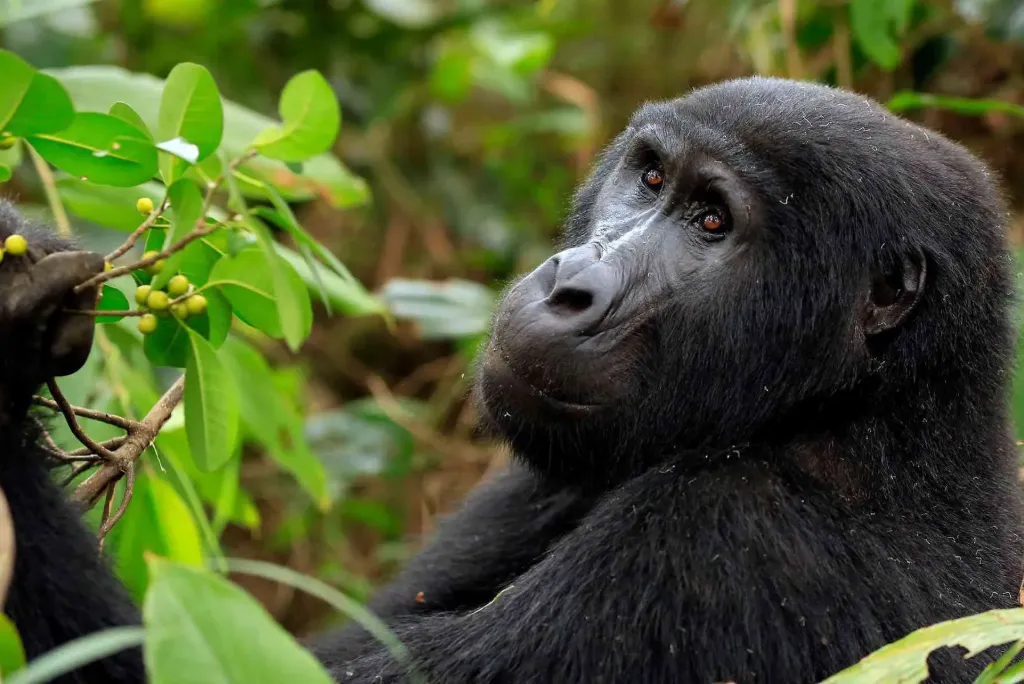
Volcanoes National Park protects between 300 and 350 mountain gorillas across twelve habituated families available for trekking, plus several additional families reserved strictly for research. Trekking groups are capped at eight visitors, accompanied by a head guide, trackers, and an armed ranger present for safety around forest elephants and buffalo rather than the gorillas themselves.
Trek length depends entirely on where the assigned family has moved to that morning, ranging from under an hour to five hours of hiking on steep, sometimes muddy terrain through farmland and then dense forest. Once located, visitors spend a strict hour with the family, maintaining a minimum distance of ten meters and wearing a face mask throughout, precautions that exist because gorillas share roughly 98 percent of human DNA and can contract human respiratory illnesses.
Hiring a porter at the trailhead, for a minimum of ten dollars, is worth every cent. Beyond carrying gear, porters provide a genuinely steadying hand on slippery terrain and represent meaningful local employment tied directly to conservation.
Where to Go in Rwanda
Volcanoes National Park
Rwanda’s flagship reserve sits within the Virunga Massif, a mountain range shared with Uganda and the Democratic Republic of Congo, and has formed part of the UNESCO Biosphere Reserve network since 1983. This is where American primatologist Dian Fossey conducted her groundbreaking two decade study of mountain gorillas, and her former research site and grave remain open to visitors as a full morning hike.
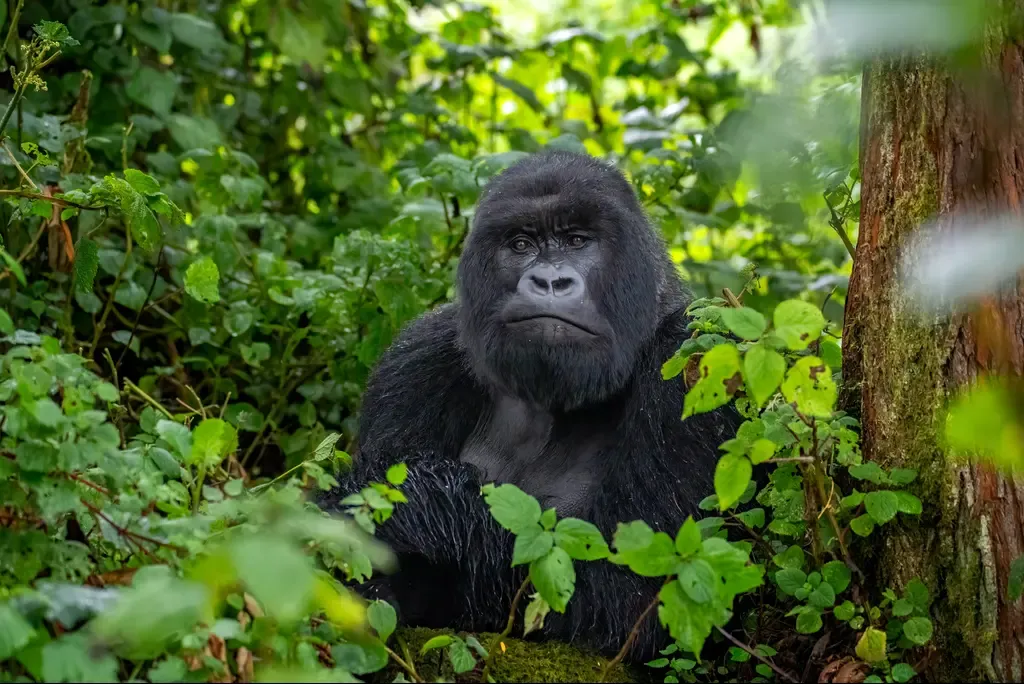
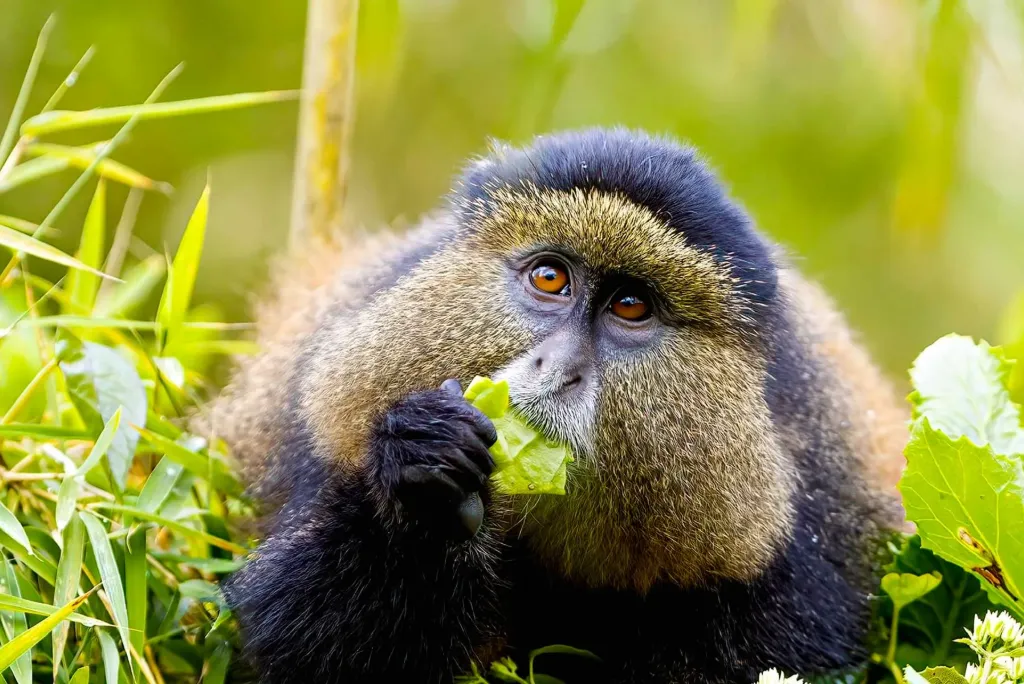
Beyond gorilla trekking, Volcanoes offers golden monkey trekking among the bamboo forests, a shorter, less strenuous primate encounter well suited to acclimatizing before a gorilla trek or to travelers seeking a lighter alternative altogether.
Akagera National Park
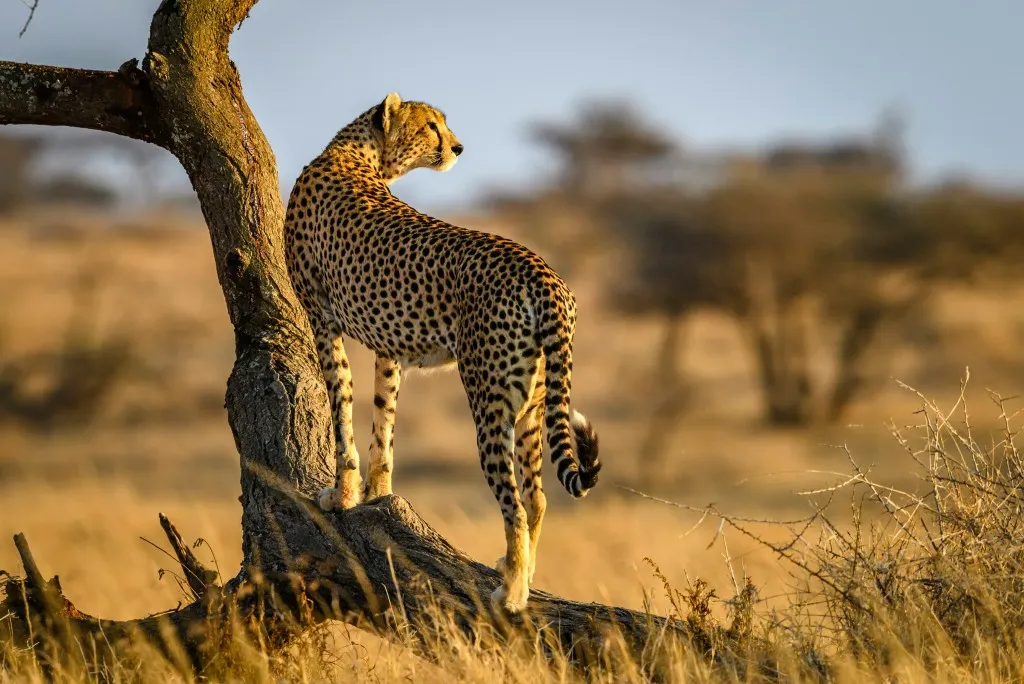
Akagera is Rwanda’s only savannah reserve and the country’s sole Big Five destination, and its story is one of the most remarkable conservation turnarounds on the continent. Lions were locally extinct in Rwanda by 2000 and rhinos were entirely absent between 2007 and 2017, both a legacy of the upheaval following the 1994 genocide. Reintroduction programs beginning in 2015 have restored the park so completely that all five species are now reliably present, particularly around the Kilala Plain in the park’s northern sector.
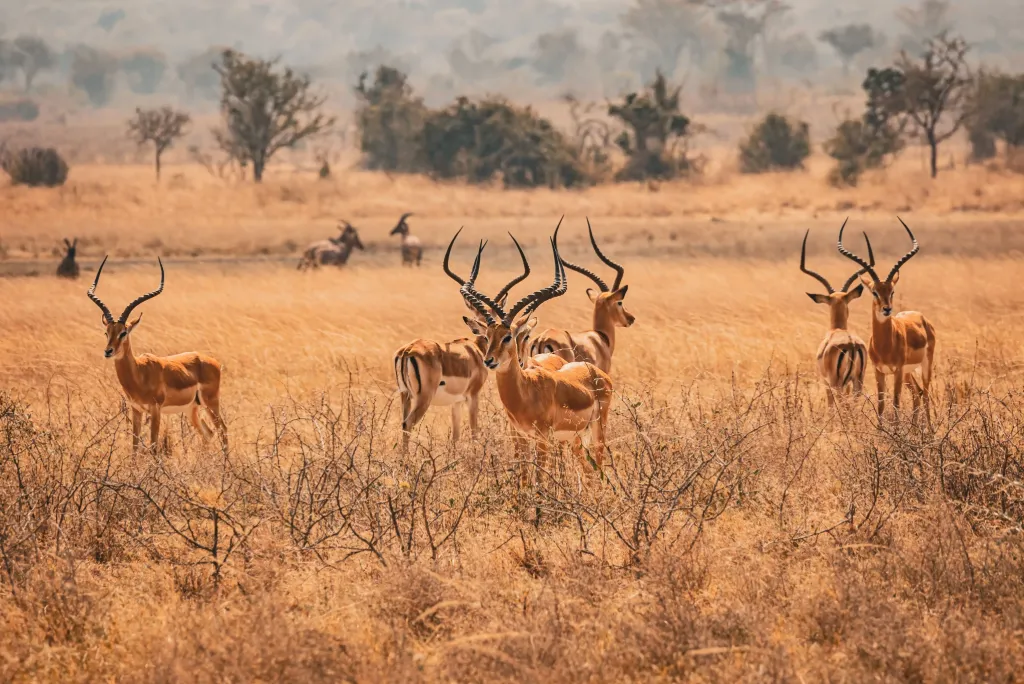
A sunset boat cruise on Lake Ihema, Akagera’s largest lake, is one of the most rewarding wildlife experiences in the country, with hippo pods, basking Nile crocodiles, and thousands of water birds returning to roost at dusk.
Nyungwe National Park
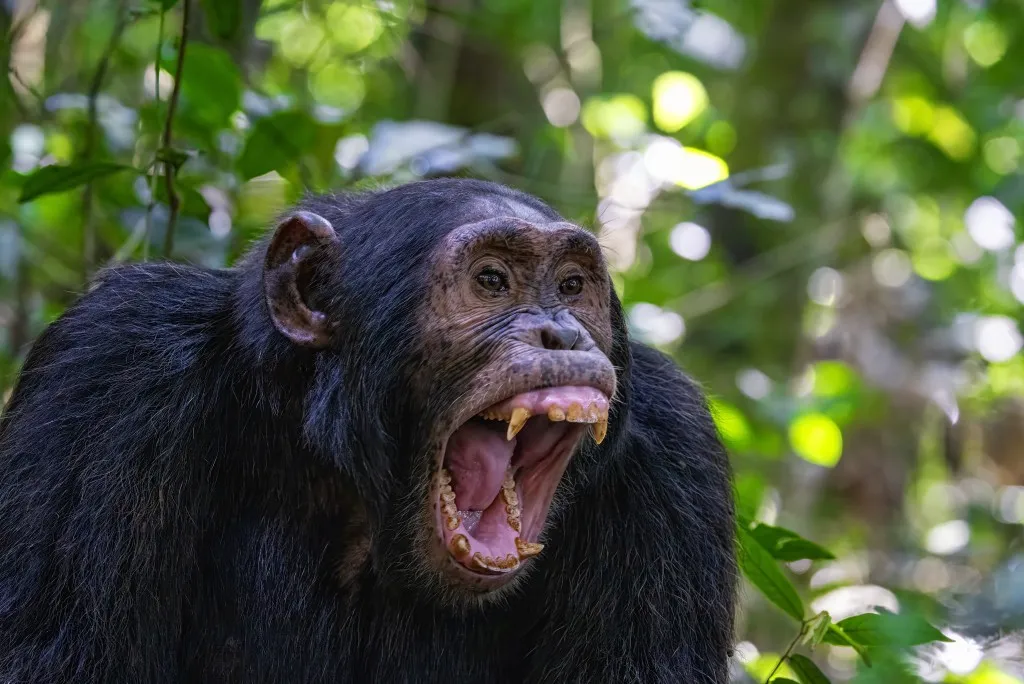
Nyungwe is one of the oldest and most biodiverse rainforests in Africa, and in September 2023 it became Rwanda’s first UNESCO World Heritage Site, recognized specifically for its exceptional value as a rainforest conservation area within the Albertine Rift. The park protects three habituated chimpanzee troops among thirteen total primate species, alongside a suspended canopy walk that carries visitors 60 meters above the forest floor across three connected bridges.
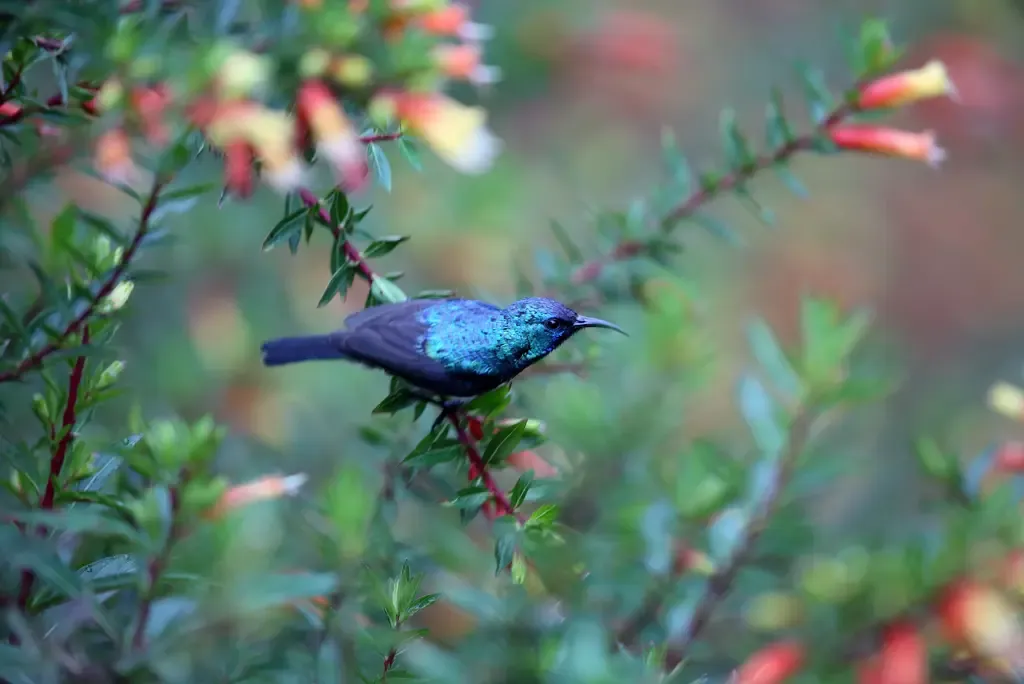
Nyungwe also holds real significance beyond wildlife: the park feeds both the Nile and Congo river systems and supplies up to 70 percent of Rwanda’s fresh water.
Lake Kivu
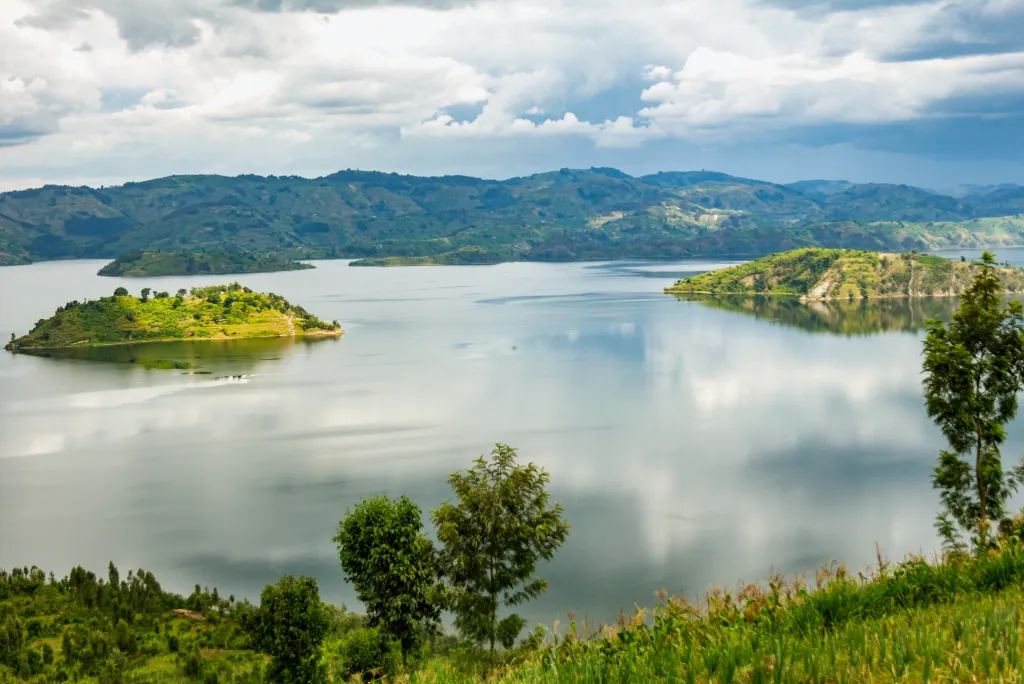
One of Africa’s Great Lakes, Lake Kivu sits along the border with the Democratic Republic of Congo and offers a genuinely restful break between primate parks. Unlike most East African lakes, Kivu holds no resident hippos or crocodiles, which means it is one of the very few places on the continent where a swim in open water is simply safe. Boat trips to Napoleon Island, home to an enormous fruit bat colony, and Monkey Island, populated by vervet monkeys, make an easy half day addition to any itinerary passing through.
Gorilla Trekking Permit Cost: Rwanda vs Neighboring Countries
| Country | Standard Permit Cost | Trekking Conditions |
| Rwanda (Volcanoes National Park) | USD 1,500 per person | Shorter drives, well maintained roads, generally less strenuous |
| Uganda (Bwindi or Mgahinga) | USD 800 per person | Longer transfers, more physically demanding terrain |
| Democratic Republic of Congo (Virunga) | USD 400 per person | Currently closed to visitors due to regional instability |
Average Daily Safari Cost by East African Destination (Private, Budget Tier)
| Destination | Cost Per Person Per Day |
| Kenya | USD 300 |
| Tanzania | USD 350 |
| Uganda | USD 450 |
| Rwanda | USD 650 |
Our Recommended Rwanda Safari Route
For travelers with roughly a week, this is the sequence we suggest most often, built to cover all four of Rwanda’s core ecosystems without excessive driving.
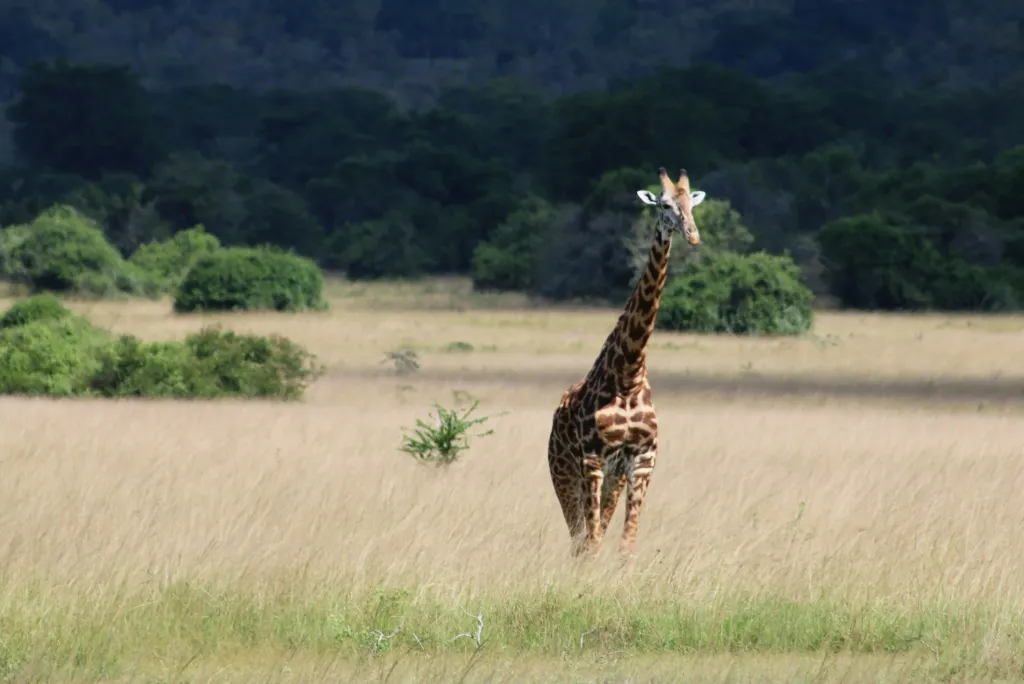
Begin in Kigali with a short first night to settle in, then head east to Akagera National Park for two days of Big Five game drives and a sunset boat cruise on Lake Ihema, covering both the park’s forested southern sector and the open plains of the north.
From Akagera, travel to Volcanoes National Park for gorilla trekking, allowing two nights so golden monkey trekking or a second gorilla encounter is possible. This is the part of the trip nobody wants to rush.
Break the journey south with a stop at Lake Kivu, then continue to Nyungwe National Park for a day of chimpanzee tracking and the suspended canopy walk, before returning to Kigali for a final night and a visit to the Kigali Genocide Memorial.
How Long Should You Stay in Rwanda
Seven days is widely considered the ideal length for a Rwanda safari, long enough to properly cover Akagera, Volcanoes, Lake Kivu, and Nyungwe without feeling rushed between any of them, and short enough to keep the trip focused.
Five days works well if your priority is narrower: gorilla trekking in Volcanoes plus either the Big Five in Akagera or chimpanzees in Nyungwe, choosing one over the other to keep driving time manageable.
For travelers who want the fuller primate experience across both countries, a two week itinerary combining Rwanda with Uganda adds gorilla trekking in Bwindi, chimpanzee tracking in Kibale, and classic game drives in Queen Elizabeth National Park, and the daily cost of the combined trip works out considerably lower than either country alone, since Uganda’s cheaper permits and park fees offset Rwanda’s premium.
Is a Rwanda Safari Expensive
Rwanda is the most expensive of the classic East African safari destinations, and it is worth understanding exactly why before you budget for a trip. A seven day private safari typically runs from around USD 3,500 for budget accommodation up to USD 6,500 or more for luxury lodges, with the gorilla permit alone accounting for roughly a third to 40 percent of total trip cost on a budget or mid range itinerary.
The premium comes down to two things: the permit price itself, roughly double Uganda’s, and accommodation, which runs consistently higher across every tier, particularly near Volcanoes National Park where budget lodges start around USD 60 to 150 per night and luxury properties regularly exceed USD 1,500.
Park fees outside of gorilla trekking tell a different story. Akagera’s daily entry runs around USD 100 per person, genuinely comparable to or cheaper than equivalent parks in Kenya and Tanzania, which means a longer Rwanda itinerary with proportionally fewer trekking days brings the average daily cost down considerably.
Private Versus Group Safaris
A private safari in Rwanda starts around USD 450 per person per day, against roughly USD 300 for a shared group vehicle, and for couples or small groups the gap narrows enough that private rarely feels like an indulgence. The one place this distinction does not apply is the trekking itself: gorilla and chimpanzee treks are always shared group activities of six to eight people regardless of how you book the rest of your trip. Private makes its real difference on the game drives through Akagera, where having your own vehicle means lingering at a rhino sighting for as long as you want rather than moving on for the next group.
What to Pack for a Rwanda Safari
Gorilla and Chimpanzee Trekking demand genuine hiking gear, not standard safari casual wear, and this is the detail that trips up first time visitors most often.
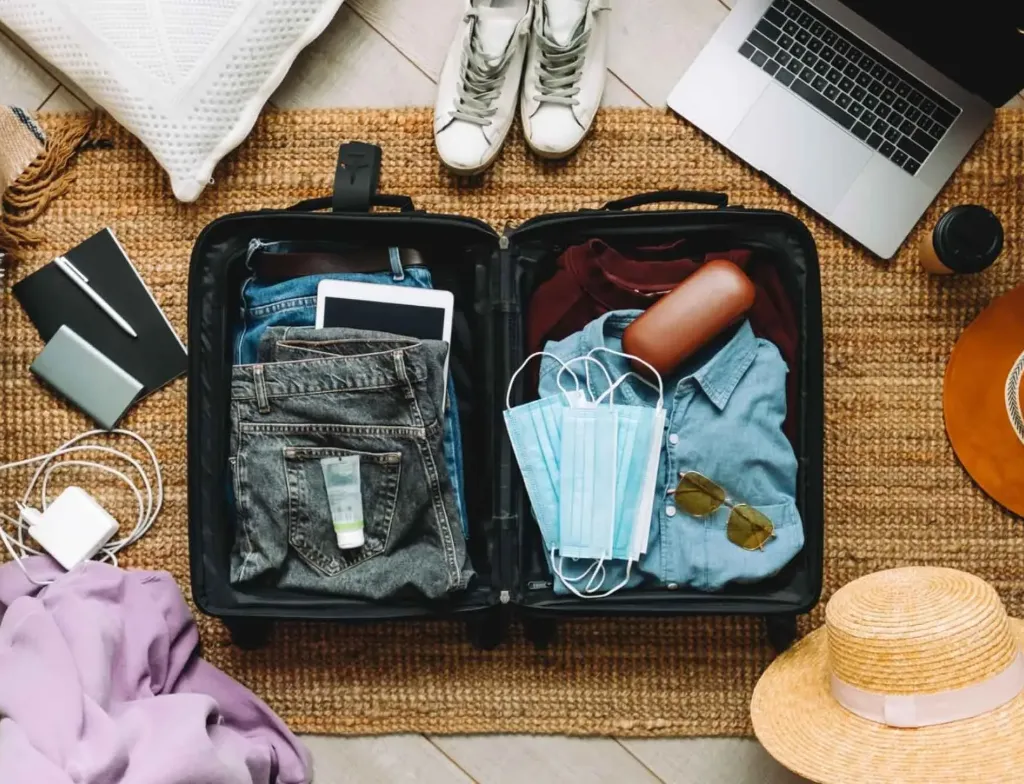
Sturdy, broken in hiking boots and knee high gaiters are essential, both to manage muddy terrain and to keep safari ants, which deliver a genuinely painful bite, away from your ankles. Long sleeves, long trousers, and gardening gloves protect against stinging nettles in the undergrowth, and a waterproof jacket belongs in your bag regardless of season.
Pack moisture wicking clothing in neutral greens and browns, and avoid black and dark blue, which attract tsetse flies in both Volcanoes and especially in the wooded central sections of Akagera. A face mask is mandatory during gorilla encounters, and most operators can supply one if you forget.
One detail specific to Rwanda: the country has banned single use plastic nationwide, including inside the national parks, so pack reusable bags and bottles rather than relying on plastic once you arrive.
Other Top Things to Do in Rwanda
Golden Monkey Trekking
A gentler counterpart to gorilla trekking, golden monkey trekking in Volcanoes National Park typically takes around 30 minutes to locate the troop followed by an hour of observation, at a fraction of the gorilla permit cost. These endangered primates exist only in this corner of the Virunga Massif and nowhere else on earth.
Dian Fossey’s Grave and Research Site
A challenging half day hike leads to the site where Dian Fossey conducted her research and is buried alongside several of the gorillas she studied, among them Digit, whose death at the hands of poachers helped galvanize global conservation support for the species.
Nyungwe Canopy Walk
Suspended 60 meters above the forest floor across three connected bridges, Nyungwe’s canopy walk offers a genuinely different vantage point on the rainforest, ideal for spotting the park’s orchids and birdlife from above rather than below.
Lake Kivu Boat Trips
Beyond simply relaxing lakeside, boat trips to Napoleon Island and Monkey Island add an easy, low effort day of wildlife spotting between the more demanding trekking days on either side of the itinerary.
Kigali Genocide Memorial
A visit here is sobering rather than easy, and we would not recommend skipping it. Understanding Rwanda’s history gives real weight to the conservation turnaround you will have just witnessed across Akagera and Volcanoes, since the collapse and recovery of the country’s wildlife is inseparable from the collapse and recovery of the country itself.
Wildlife in Rwanda
Rwanda’s defining wildlife story is the mountain gorilla, with roughly 300 to 350 individuals across twelve habituated families in Volcanoes National Park, part of a global population that has climbed from fewer than 300 when Dian Fossey began her research to just over 1,000 today.
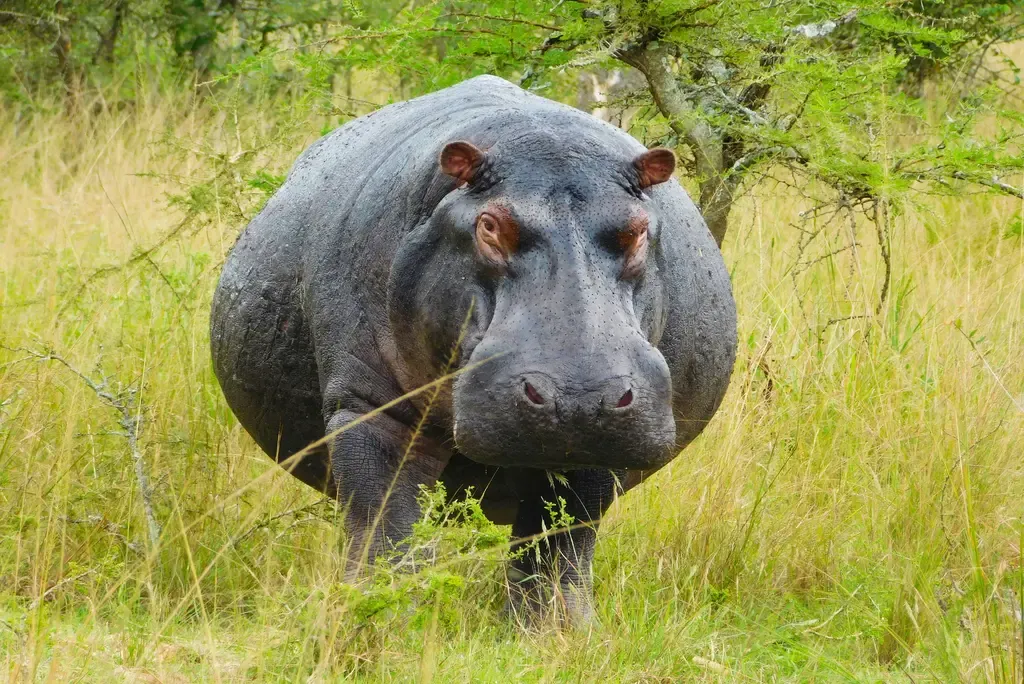
Beyond gorillas, the country protects endangered golden monkeys found nowhere else on earth, three habituated chimpanzee troops in Nyungwe among thirteen total primate species, and a fully restored Big Five population in Akagera following one of Africa’s most successful conservation turnarounds. Birders will find over 500 recorded species in Akagera alone, including the rare shoebill stork, and a further 300 or more species across Nyungwe’s rainforest canopy.
Entry Requirements
Visa
Most nationalities can apply for a Rwanda Visa online in advance or receive one on arrival, and the process is generally efficient. As with any East African trip, confirm current requirements for your specific nationality before you travel, since rules do change.
Vaccinations and Health
A yellow fever certificate is required if arriving from a country with risk of transmission, which matters for most travelers combining Rwanda with Uganda or Kenya. Malaria risk exists across most of Rwanda outside the highest elevations, so prophylaxis and a good repellent are worth packing regardless of season.
Comprehensive travel insurance with medical evacuation cover is essential for any Rwanda trip, and doubly so if your itinerary includes remote sections of Akagera or Nyungwe.
In Kigali, standard city precautions apply: use hotel arranged taxis rather than boda boda motorbike taxis, which locals themselves generally avoid, and keep valuables secured as you would in any capital city. There is no Uber service currently operating in Kigali, so arrange transport through your hotel or operator in advance.
Inside the parks, the primary safety consideration is following your guide and ranger’s instructions closely during treks, particularly the ten meter minimum distance rule around gorillas, which protects both visitors and the animals themselves.
As with any international trip, check your home country’s current travel advisory before departure for the latest official guidance.
Booking Method Matters
International travel agents typically charge 25 to 50 percent more than local Rwanda based operators for an equivalent itinerary, largely because many simply subcontract the ground arrangements to a local company and add their own margin on top. A well established local operator handles permits, lodges, transfers, and park fees directly, and is generally the better value choice for most travelers.
Permit and Lodge Coordination
Ask your operator specifically about lodge proximity to Volcanoes National Park headquarters, since gorilla treks depart at 7am sharp along a single track road that can back up behind cargo trucks. Staying close to headquarters removes a real source of pre trek stress.
An Honest Note on the Price Premium
We would rather say this plainly than have you discover it after booking: Rwanda’s gorilla trekking is genuinely more comfortable than Uganda’s, with shorter drives and better maintained trails on average, but it is not a fundamentally different encounter with the gorillas themselves. If budget is your primary constraint, Uganda delivers a comparable wildlife experience for close to half the permit cost, and the difference is worth being honest about rather than oversold.
Frequently Asked Questions
How much does a gorilla trekking permit cost in Rwanda?
A standard permit costs USD 1,500 per person, covering one hour with a habituated mountain gorilla family in Volcanoes National Park. This compares to USD 800 in Uganda and USD 400 in the Democratic Republic of Congo, where trekking is currently suspended due to regional instability.
Is Rwanda or Uganda better for gorilla trekking?
Both offer a genuinely comparable encounter with the same subspecies of mountain gorilla. Rwanda offers shorter transfers, better roads, and generally less strenuous trekking conditions, while Uganda costs roughly half as much and additionally offers world class chimpanzee tracking within the same country. Many of our clients choose based on budget and available time rather than a meaningful difference in the gorilla encounter itself.
How many days do you need for a Rwanda safari?
Seven days is the ideal length to cover Akagera, Volcanoes, Lake Kivu, and Nyungwe without rushing. Five days works well for a narrower trip focused on gorilla trekking plus one additional park.
What is the best time to visit Rwanda?
The long dry season from June to mid October offers the driest trekking conditions and the best overall wildlife viewing, though it is also peak season with the highest prices. The light rainy season from mid October to mid December offers a strong balance of good weather, thinner crowds, and lower rates.
Can gorilla trekking be combined with a Big Five safari?
Yes, entirely within Rwanda itself. Akagera National Park holds a fully restored Big Five population following a remarkable conservation turnaround, meaning a single Rwanda itinerary can deliver both experiences without crossing into another country.
Is a visa required for Rwanda?
Yes, most nationalities require a visa, available online in advance or on arrival for many passport holders. Confirm current requirements for your nationality well ahead of travel.
Talk to Us If Your Looking To Have A Rwanda Safari
Whether gorilla trekking is the whole point of your trip or one remarkable chapter within a longer East Africa itinerary, we handle the permit booking, the lodge selection, and the logistics that turn a good Rwanda safari into an extraordinary one. Reach out to our team and we will build a Rwanda itinerary, standalone or combined with Uganda, Kenya, or Tanzania, around exactly what you want to experience.