




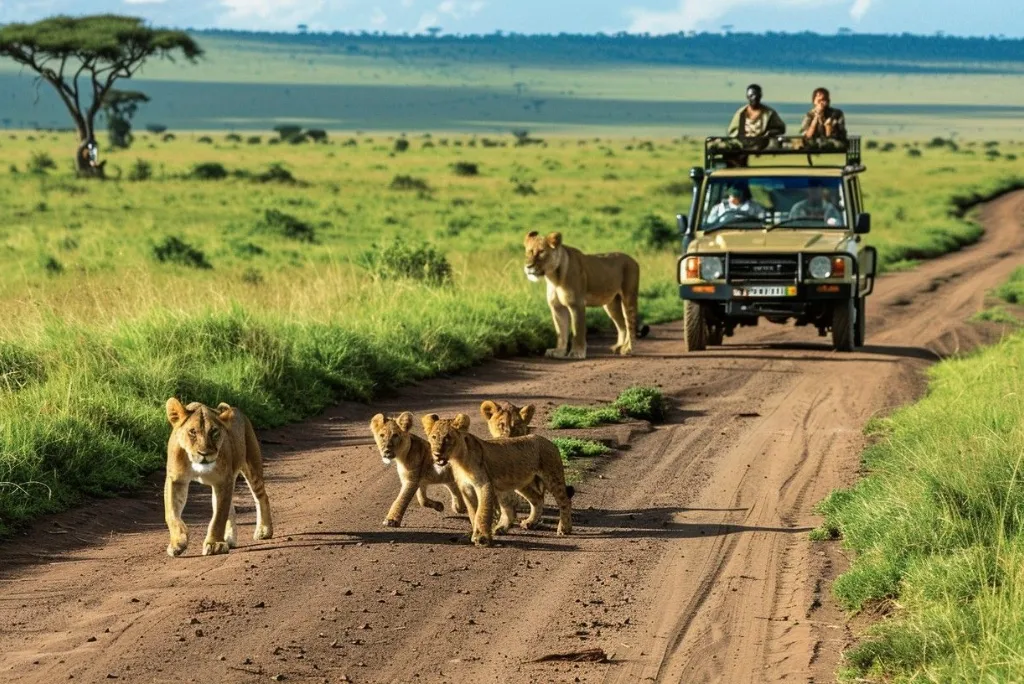
Kenya was named Africa’s Leading Destination at the World Travel Awards, the industry’s most closely watched honor, and anyone who has stood in the Masai Mara at dawn understands exactly why. This is not a country that simply has wildlife. It is the place the rest of the safari world measures itself against.
The Masai Mara alone carries a distinction few places on Earth can claim. In 2006, a panel of experts on Good Morning America named the wildebeest migration through the Mara and the Serengeti one of the New Seven Wonders of the World, alongside the Great Barrier Reef and the Amazon rainforest. Over two million wildebeest, zebra, and gazelle move through this single stretch of Kenyan grassland every year, in a spectacle nothing else on the continent comes close to matching.
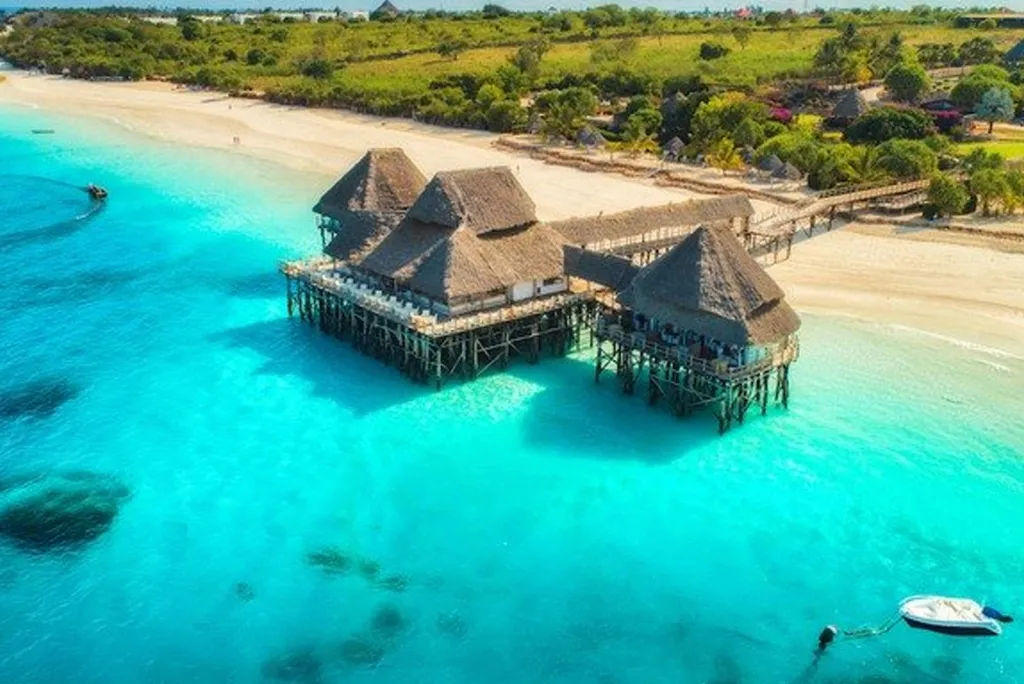
And the accolades keep stacking up. Diani Beach has been crowned Africa’s Leading Beach Destination eight times at the World Travel Awards, more than any other beach on the continent. The Kenya Tourism Board has repeatedly taken home Africa’s Leading Tourist Board. Nairobi is regularly named the continent’s leading business and conference destination. Did you know that a single country holds this many titles at once, wildlife, coastline, and infrastructure, and still somehow feels undiscovered the moment you step off the plane?
That is the real case for Kenya. It is not one great attraction. It is an entire country built like one, park after park, coastline after coastline, each one good enough to be a headline act somewhere else.
At Africa Bed of Roses Safaris, we build every itinerary to move through as much of that as your time allows, from the Mara’s front row seat to the migration, to Diani’s award-winning sand, to the quieter corners most visitors never hear about. Below is everything we tell every client before they book: where the wildlife actually concentrates, when to go, what it costs, what to pack, and how much difference a good guide makes once you are out there.
Where is Kenya and How Do You Get There
Kenya sits on the equator on Africa’s eastern coast, bordered by Tanzania to the south, Uganda to the west, South Sudan and Ethiopia to the north, and Somalia to the east. It covers about 580,000 square kilometres, roughly two and a half times the size of the United Kingdom, and its geography ranges from Indian Ocean coastline to snow on Mount Kenya within a single day’s drive.
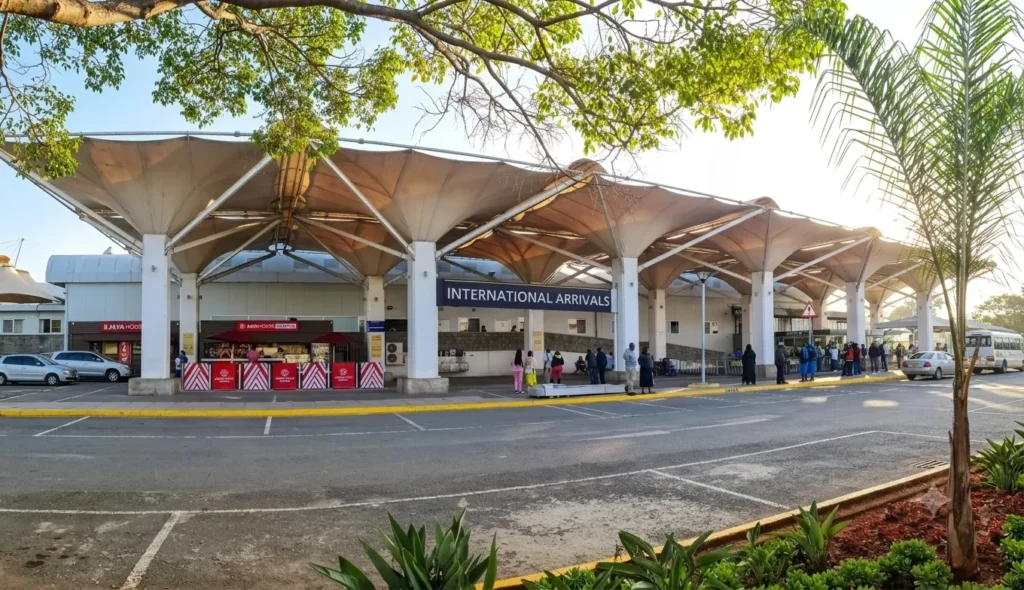
Reaching Kenya is straightforward. Two airports handle almost all international arrivals, and which one you land at shapes the first days of your itinerary.
Jomo Kenyatta International Airport (NBO), Nairobi
This is the main gateway for the vast majority of Kenya Safaris. Direct flights connect Nairobi to London, Amsterdam, Paris, Doha, Dubai, and several other major hubs, and from Nairobi you can reach the Masai Mara, Amboseli, and Lake Nakuru within a few hours by road or under an hour by light aircraft.
Moi International Airport (MBA), Mombasa
If your trip leans toward the coast, flying directly into Mombasa saves a day of travel. Many of our clients fly into Mombasa for a beach stay first, then take a short domestic flight inland to start their safari refreshed rather than jet lagged.
Flying Via Tanzania
For travellers combining Kenya with the Serengeti or Ngorongoro, flights connect Nairobi with Kilimanjaro International Airport in under an hour, and the Masai Mara sits close enough to the Tanzanian border that guides on both sides plan itineraries around the same migrating herds.
Getting to Kenya is easy. What takes more thought is deciding what to do once you land, and that decision starts with timing.
When is the Best Time to Visit Kenya for Safari
Kenya sits on the equator, so unlike Tanzania it does not have the same dramatic seasonal light. What changes throughout the year is rainfall, and rainfall is what moves the animals and the crowds.
The Dry Season: June to October
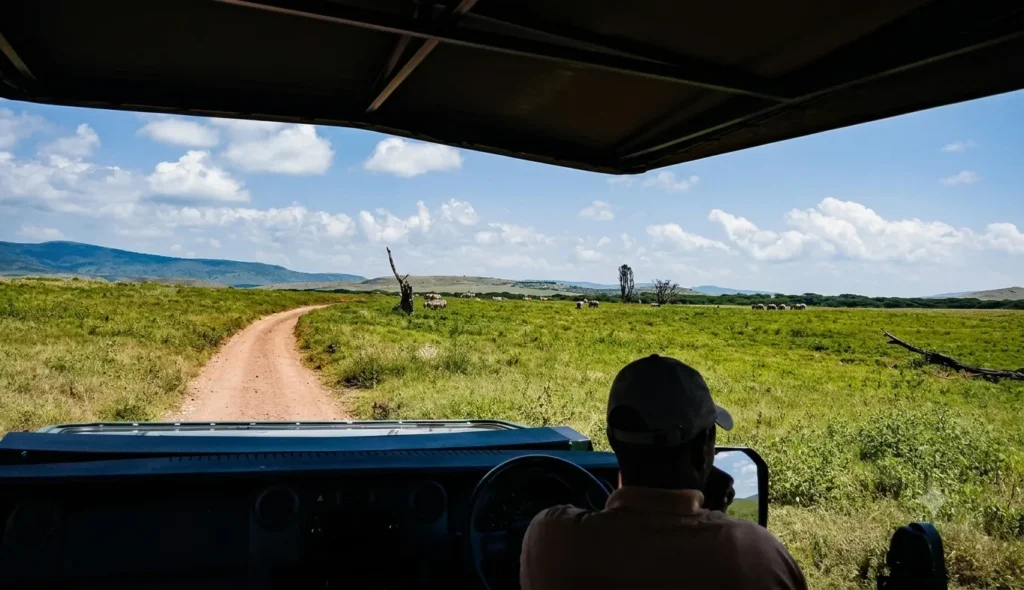
This is peak season for good reason. Grass shortens, water sources shrink to a handful of rivers and dams, and animals concentrate where the water is. Mornings are genuinely cold at this time of year, often dropping to the mid-teens Celsius before sunrise, so the fleece jacket in your bag will earn its place.
The Mara River crossings, when wildebeest arriving from the Serengeti attempt to cross into the Masai Mara, generally run from late July through October. This is the single most requested experience on a Kenya safari, and camps in the Mara Triangle and along the river book out months in advance for it.
The Short Rains: November to December
Short, usually predictable afternoon showers move through, and the landscape turns green again almost overnight. Game viewing stays strong because the herds that arrived for the dry season have not yet all moved back south, and prices drop noticeably compared to August and September.
The Green Season: January to March
This is our favourite window to recommend to couples. Newborn wildlife is everywhere, particularly wildebeest and zebra foals, which draws intense predator activity without the crowds of the July to October rush. The light after rain is extraordinary for photography, and rates at most camps drop by a third or more compared to peak season.
The Long Rains: April to May
This is the one stretch we tell clients to avoid unless their dates are completely fixed. Some camps close entirely for maintenance, roads in the Mara Triangle can become genuinely difficult, and the animals disperse widely across the newly green bush, which makes sightings harder to predict.
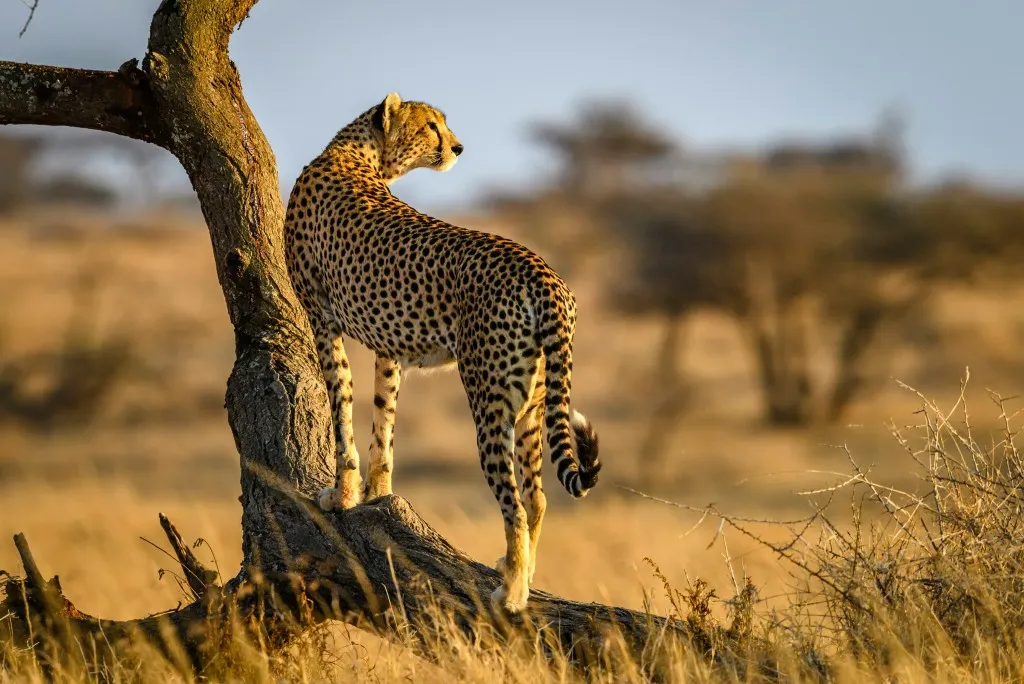
We sent a couple to the Mara in February last year on a tight budget, expecting a quieter, cheaper trip, and they came back having watched a cheetah teach her two cubs to hunt over three consecutive mornings, with only one other vehicle in sight each time. Green season delivers more often than people expect.
Where to Go in Kenya: Parks, Reserves, and Conservancies
Kenya has more than 60 national parks, reserves, and conservancies, and no single trip covers them all. The honest starting point is understanding what each region does best, because Kenya’s wildlife is not evenly distributed. Certain species cluster in certain places, and building your route around that is what separates a good itinerary from a lucky one.
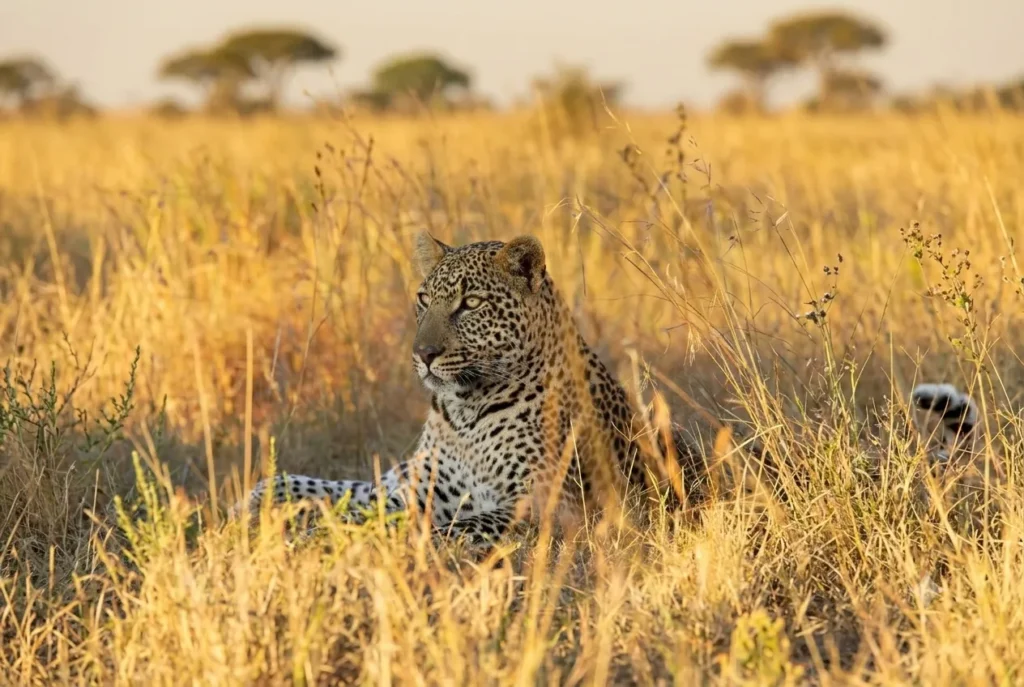
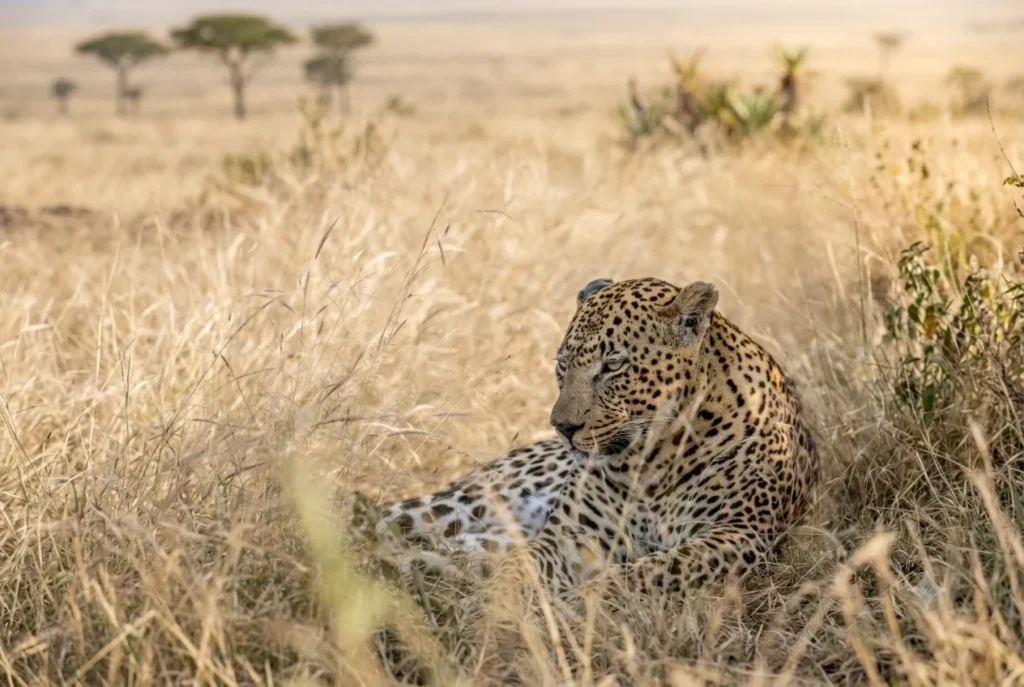
Masai Mara National Reserve
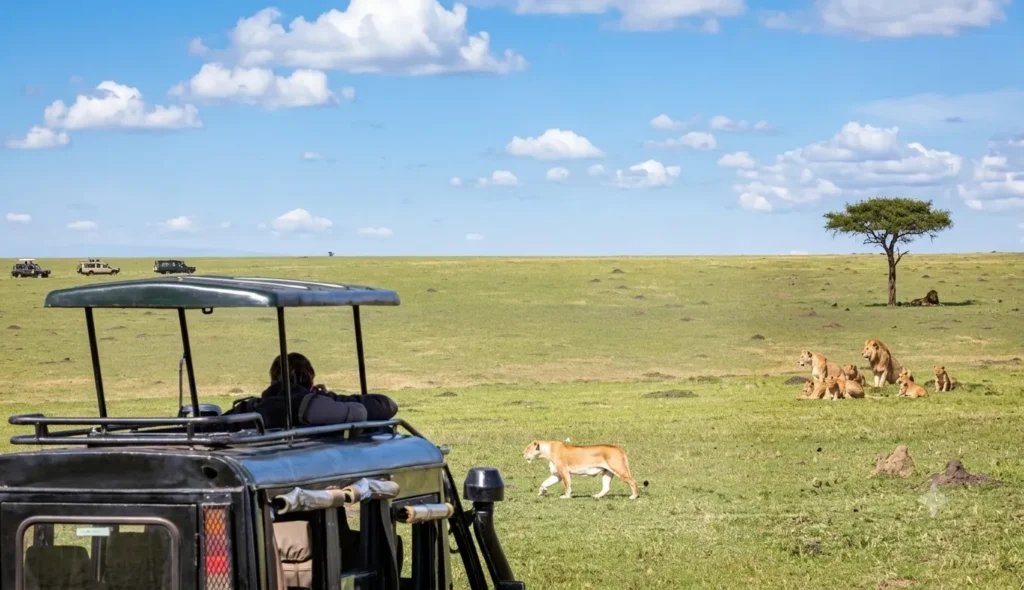
The Mara is the centrepiece of most first Kenya safaris, and it earns that position. It holds one of the highest lion densities in Africa, hosts the Mara River crossings during the migration, and the surrounding private conservancies, including Mara North, Naboisho, and Olare Motorogi, allow night drives and off road tracking that the reserve itself does not permit.
Spend at least three nights here. The Mara rewards patience, and a single day drive barely scratches the surface of what the reserve and its conservancies hold.
Amboseli National Park
Amboseli is built around one image: elephants moving across dry lakebed grassland with Kilimanjaro rising behind them, even though the mountain itself sits across the border in Tanzania. The park protects some of Africa’s last remaining big tuskers, elephants whose ivory nearly reaches the ground, and researchers here have tracked individual elephant families for decades.
Early morning is the time to be here. Cloud typically builds around Kilimanjaro by mid-morning, so the classic photograph only exists for a narrow window after sunrise.
Samburu, Buffalo Springs, and Shaba National Reserves
North of the equator, the landscape turns drier and the wildlife changes with it. Samburu is home to what guides call the Samburu Special Five: the Grevy’s zebra, reticulated giraffe, Beisa oryx, gerenuk, and Somali ostrich, none of which are reliably seen in the southern parks.
The Ewaso Ng’iro River cuts through Samburu and draws elephants, leopards, and lions to its banks throughout the year, making this one of the most consistent parks in Kenya regardless of season.
Tsavo East and Tsavo West National Parks
Together the two Tsavo parks form one of the largest protected areas in the world, and they remain some of the least crowded parks in Kenya relative to their wildlife density. Tsavo East is known for its red elephants, dust bathed in the park’s oxide rich soil, while Tsavo West offers dramatic volcanic scenery, the Mzima Springs underwater hippo viewing point, and the Shetani lava flows.
Both parks sit roughly midway between Nairobi and the coast, which makes them a natural stop for anyone combining a safari with beach time in Diani or Watamu.
Lake Nakuru National Park
Lake Nakuru is compact, easy to combine with the Mara or Naivasha, and reliably productive. The park is one of Kenya’s most important sanctuaries for both black and white rhino, and depending on water levels the alkaline lake still draws flocks of flamingos, though numbers shift year to year as the lake’s chemistry changes.
Laikipia Plateau and Ol Pejeta Conservancy
Laikipia is Kenya’s conservancy country, a patchwork of private and community owned land north of Mount Kenya that holds the second highest wildlife density in the country after the Mara. Ol Pejeta is its best known name, home to the largest black rhino sanctuary in East Africa and, until the death of the last male in 2018, the final two northern white rhinos on the planet, still protected here under armed guard.
Laikipia also permits activities the national parks do not: walking safaris, horseback and camel safaris, and night drives, which make it a favourite for repeat visitors who have already done the classic circuit.
Lake Naivasha and Hell’s Gate National Park
Naivasha is a freshwater lake in the Rift Valley, ringed by acacia forest and home to a resident hippo population you can view safely from a boat. Neighbouring Hell’s Gate is one of the only parks in Kenya where you can walk or cycle freely among zebra and giraffe without a vehicle, a rare and genuinely fun break from game drive routine.
Aberdare National Park
The Aberdares are Kenya’s high altitude forest range, cool, misty, and completely different in character from the savannah parks. This is where to look for the elusive bongo antelope, black leopard sightings occasionally reported in recent years, and tree lodges where you sit above a floodlit waterhole through the night waiting to see who arrives.
Where to Find Specific Wildlife in Kenya
Guides get asked this constantly, so here is the honest breakdown by park rather than a generic species checklist.
Park, Reserve, or Conservancy by Wildlife Specialty
| Region | Known For | Recommended Nights |
| Masai Mara | Lion density, Migration, leopard | 3 to 4 nights |
| Amboseli | Big tusker elephants, Kilimanjaro views | 2 nights |
| Samburu | Samburu Special Five, riverine wildlife | 2 to 3 nights |
| Tsavo East and West | Red elephants, volcanic scenery, space | 2 nights |
| Lake Nakuru | Black and white rhino, flamingos | 1 to 2 nights |
| Laikipia and Ol Pejeta | Black rhino sanctuary, walking safaris | 2 to 3 nights |
| Aberdares | Bongo antelope, forest, tree lodges | 1 to 2 nights |
Our Recommended Kenya Safari Route
Clients often ask us to just pick the order for them, so here is the sequence we suggest most often for a first Kenya safari, adjusted depending on whether you fly or drive between stops.
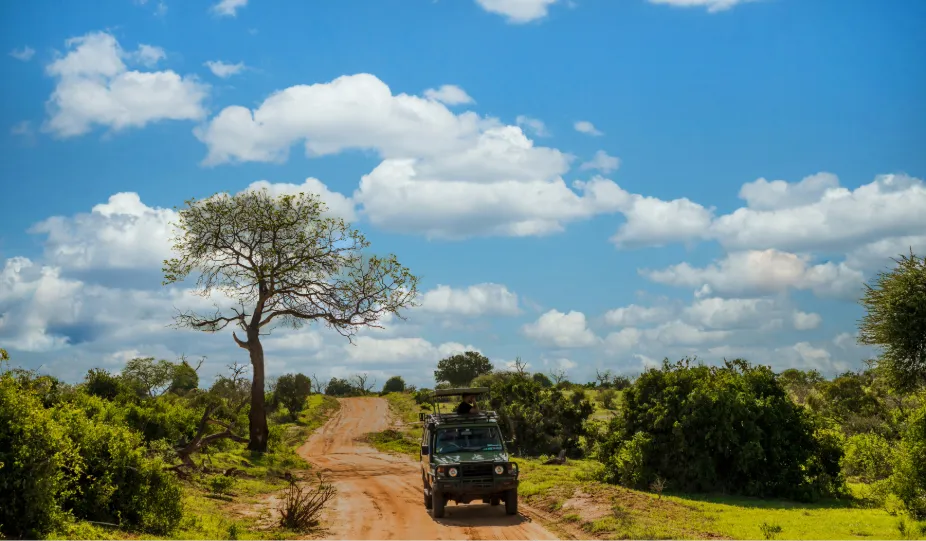
Start in Nairobi. Arriving straight into a game drive after an overnight flight sounds efficient but rarely goes well. A single night lets you visit the Sheldrick Wildlife Trust or the Giraffe Centre, both a short drive from most hotels, and meet your guide before the safari properly begins.
From Nairobi, fly or drive to Amboseli for two nights. It is the shortest transfer from the capital and gives you an early, high probability elephant encounter that sets the tone for the rest of the trip.
Move on to the Masai Mara for the core of your safari, ideally three to four nights split between the main reserve and a private conservancy. This is where the trip earns its reputation, and it is not a place to rush.
If time allows, close the loop with a night or two at Lake Nakuru on the way back to Nairobi, giving you a strong chance at rhino to complement the Big Five sightings from the Mara.
Clients who follow this route consistently tell us the Mara nights were the ones they wished they had extended. Build in the extra time there if your schedule has any flexibility at all.
How Long Should You Stay in Kenya
Kenya rewards a slower pace, but it is also more forgiving of a short trip than some of its neighbours because the parks sit closer together and domestic flights are frequent and quick.
Five nights covers a solid introduction: two or three parks, enough time in each to move beyond just ticking off the Big Five. Seven to nine nights is what we recommend most often for a first safari, allowing three parks at a comfortable pace with time in the Mara that does not feel rushed.
Ten to twelve nights is the sweet spot for honeymoon and anniversary trips, combining the classic circuit with several nights on the coast at Diani or Watamu. The contrast between dusty game drives and the Indian Ocean is, without exaggeration, one of the best pairings in African travel.
Trip Length and What It Covers
| Trip Length | What It Covers | Best For |
| 4 to 5 nights | Two parks, Mara plus one other | Short breaks, add on trips |
| 7 to 9 nights | Three parks at a comfortable pace | First time Kenya visitors |
| 10 to 12 nights | Full circuit plus coastal extension | Honeymoons, anniversaries |
| 14 nights plus | Circuit, north (Samburu or Laikipia), and coast | Repeat visitors, deeper exploration |
Is Kenya Expensive to Visit
Kenya is not a budget destination, though it is often slightly more affordable than Tanzania across comparable categories, largely because park fees are generally lower and the road network between parks reduces reliance on costly domestic flights.
Park and conservancy fees still add up quickly, particularly in the Masai Mara conservancies, which typically charge more than the main reserve to fund their lower vehicle density and community payments.
What Drives the Cost
Park entry and conservancy fees, which run from around USD 60 to over USD 100 per person per day depending on the reserve. Accommodation, spanning simple tented camps to lodges charging well over USD 1,000 per person per night in peak season. Private vehicle and guide fees, which shape the quality of every game drive far more than any other single expense.
Domestic flights between regions if you are covering ground quickly. Coastal extensions, which add flights or road transfers plus accommodation. Tipping for guides and camp staff, which is customary and worth budgeting properly rather than leaving to the last day.
Private Safari vs Group Tour
Private safaris in Kenya typically start around USD 350 to 450 per person per day at entry level, rising to USD 700 to 1,200 per person per day at the luxury end. A shared group vehicle can cut that considerably, but you trade away control of your schedule and your sightings. We ran both types of trip for a family last year, a group tour for the parents’ first visit years earlier and a private safari for their return with adult children. The difference they mentioned most was not comfort. It was being able to sit at a lion kill for forty minutes instead of the fifteen a group itinerary allowed before moving on.
What to Pack for a Kenya Safari
Kenya’s packing list looks similar to any East African safari at first glance, but a few details are specific to the country and worth knowing before you buy anything.
Clothing
Lightweight clothing in khaki, olive, and neutral tones works for every game drive. Avoid dark blue and black, which attract tsetse flies in several parks, particularly Tsavo and the Mara conservancies.
Pack a proper warm layer for early morning drives, since temperatures near dawn in the Mara and Aberdares regularly drop into single digits Celsius during the dry season. A light rain shell earns its place between November and May.
Health and Safety Essentials
Comprehensive travel insurance with medical evacuation cover is essential, not optional, given how remote several of the parks are. Malaria prophylaxis, prescribed ahead of travel, is recommended for most regions outside Nairobi and the highlands.
Yellow fever vaccination is required if you are arriving from a country with risk of transmission, which matters for anyone combining Kenya with Tanzania or Uganda on the same trip. Carry your certificate, since it is checked on arrival.
Gear and Practical Items
Binoculars matter more than most first time travellers expect, particularly for the Samburu Special Five and distant leopard sightings. A camera with real zoom reach outperforms a phone every time an animal is more than a few metres away.
Soft sided duffel bags are required for light aircraft transfers, generally capped around 15 kilograms. Kenya also enforces a nationwide ban on single use plastic bags, so pack a few reusable cloth bags for toiletries and souvenirs rather than relying on plastic at your destination.
Top Kenya Excursions and Things to Do
Discover the best of Kenya with unforgettable excursions, from thrilling wildlife safaris and the Great Migration in the Maasai Mara to relaxing beach escapes in Diani, cultural village tours, hot air balloon rides, and scenic day trips. Whether you’re seeking adventure, nature, or authentic local experiences, Kenya offers unforgettable activities for every traveler.
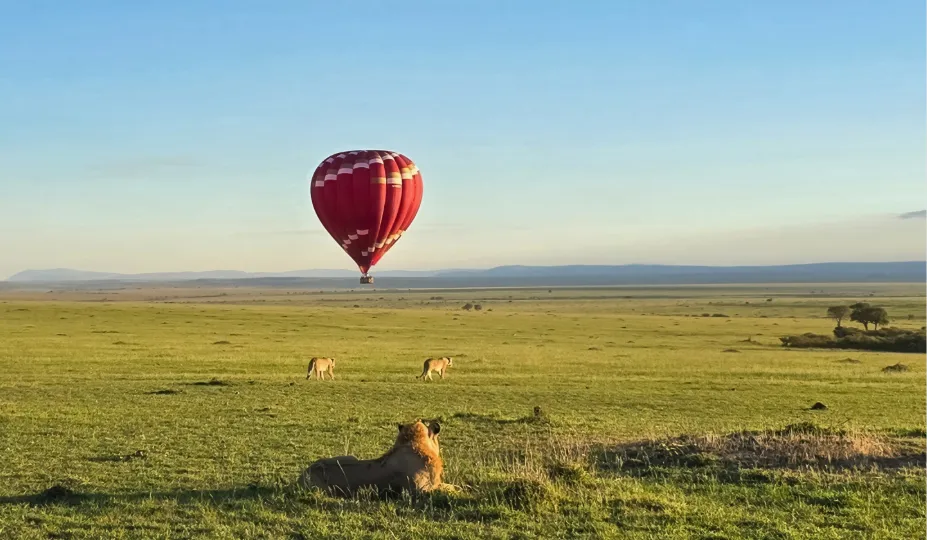
Hot Air Balloon Safari Over the Masai Mara
This is the single most requested add on we book. You lift off before dawn, drift silently over herds that have no idea you are above them, and land to a champagne breakfast set up in the bush. It costs roughly USD 450 to 550 per person, and almost nobody who books one regrets it.
Walking Safari in a Laikipia or Mara Conservancy
National parks generally prohibit walking safaris, but the private conservancies allow them with an armed ranger. Following animal tracks on foot, learning which plants the Samburu use medicinally, and hearing the bush at ground level rather than from a vehicle changes how the whole trip feels.
Visit Ol Pejeta’s Rhino Sanctuary
Ol Pejeta runs the largest black rhino sanctuary in East Africa and, until recently, was home to the last two northern white rhinos on Earth. A visit here includes a briefing from the rangers who guard them around the clock, and it is one of the more sobering, memorable stops on a Kenya safari.
Meet the Maasai or Samburu
A community visit, done properly, is a genuine cultural exchange rather than a photo stop. We favour villages where guests are welcomed into a real conversation about grazing rights, drought, and coexistence with wildlife, not just a staged dance performance.
Giraffe Manor and the Giraffe Centre, Nairobi
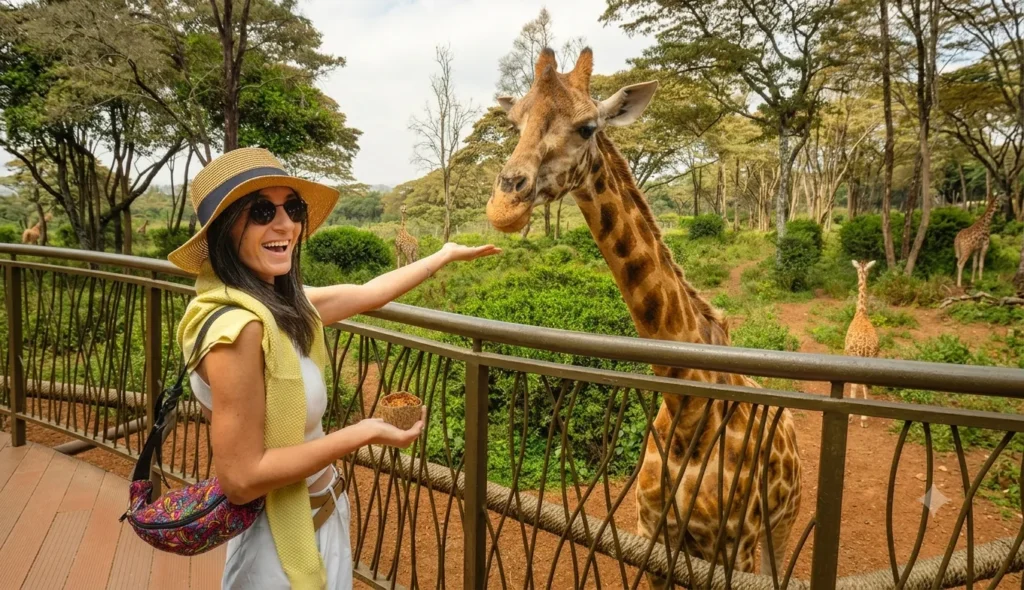
Just outside Nairobi, the Giraffe Centre lets you hand feed endangered Rothschild’s giraffe at eye level, a highlight for families and an easy stop on your first or last day in the city.
Diani, Watamu, and the Kenyan Coast
The coastline south and north of Mombasa is genuinely world class, with the Kenyan reef system running over 200 kilometres, second in length in Africa only to the Great Barrier Reef’s Australian counterpart in scale of comparison globally. Diani Beach has been named Africa’s Leading Beach Destination at the World Travel Awards eight times, more than any other beach on the continent, most recently in 2023 and 2024. Its combination of powder white sand, a protected coral reef, and a stretch of coastline running close to 17 kilometers is exactly why it keeps winning the title year after year. Diani’s white sand and Watamu’s marine park make an easy, direct combination with any Mara or Tsavo based safari.
The Great Migration in Kenya – Everything You Need to Know
The Great Migration is a single, continuous, year round movement of roughly two million wildebeest, zebra, and gazelle circling between the Serengeti in Tanzania and the Masai Mara in Kenya, driven entirely by rainfall and the fresh grass it produces.
From the Kenyan side, the herds are typically present in the Mara from around July through October, with the river crossings themselves concentrated most heavily between August and September, though exact timing shifts year to year with the rains.
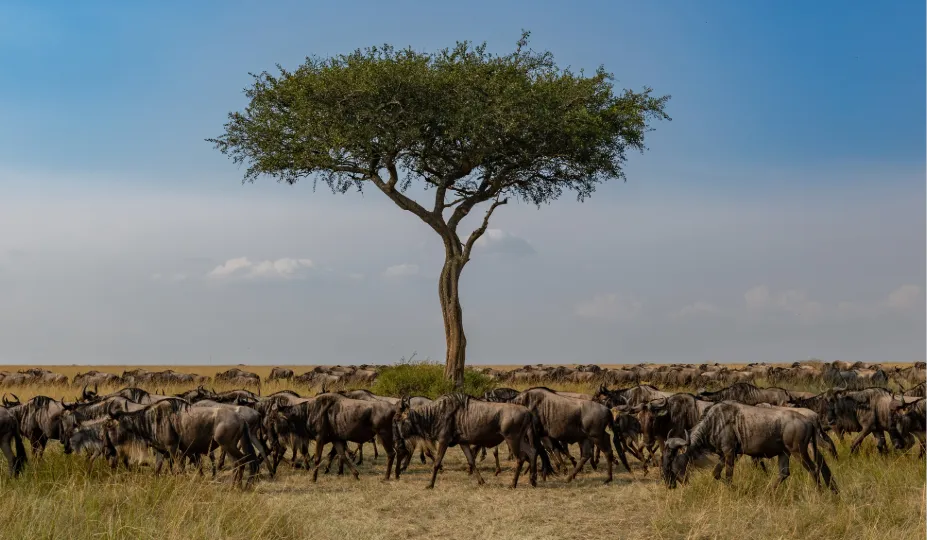
The Mara River Crossings
This is the moment most people picture when they imagine a Kenya safari. Herds gather at the riverbank, hesitate for anywhere from minutes to hours, then commit in a chaotic surge while crocodiles wait in the current and predators watch from the far bank.
No guide can guarantee a crossing on any given day. What experience buys you is positioning, patience, and the judgment to know which gathering herd is actually close to committing rather than simply drinking.
Why the Migration Happens
The animals are following rain and the grass growth it triggers, a behaviour refined over an enormous span of time rather than a route anyone taught them. Along the way, a significant number of animals are lost to predation, drowning, and exhaustion, which is part of what makes the spectacle as sobering as it is remarkable.
Other Activities You can Do in Kenya That you Don’t Know
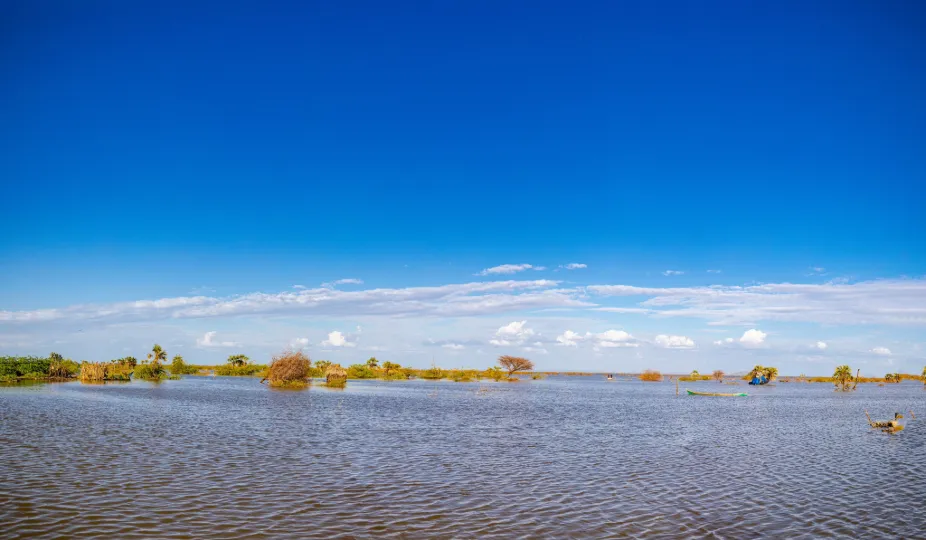
1. Lake Turkana, the Cradle of Mankind
Lake Turkana in Kenya’s remote north is the world’s largest permanent desert lake, and its shores have produced some of the most significant hominid fossils ever found. The site is jointly managed by Kenya Wildlife Service and the National Museums of Kenya, and it is recognised by UNESCO as a World Heritage Site for its paleontological importance and unique volcanic landscape.
Very few standard itineraries reach Turkana, since it requires a dedicated light aircraft charter or a serious overland journey. For travellers with time and a genuine interest in early human history, it is unmatched anywhere else in East Africa.
2. Lamu Old Town
Lamu is the oldest continuously inhabited Swahili settlement in East Africa, a car free island where donkeys and dhows still do the work vehicles do elsewhere. Lamu Old Town is a UNESCO World Heritage Site recognised for its coral stone architecture and centuries of Swahili, Arab, and Persian cultural exchange.
Combining a few nights on Lamu with a safari gives you a version of Kenya that most first time visitors never see: narrow alleyways, carved doors, and a pace of life that has not changed dramatically in generations.
3. Kakamega Forest
Kakamega, in western Kenya, is the country’s only remaining fragment of the ancient Guineo-Congolian rainforest that once stretched across central Africa. It holds species found nowhere else in Kenya, including several primates and hundreds of butterfly species, and it receives a fraction of the visitors any of the savannah parks do.
4. Sibiloi National Park
Part of the Lake Turkana World Heritage site, Sibiloi is where some of the most important early hominid fossils on the continent were discovered at Koobi Fora. Very few operators run trips here, which is exactly why the ones who go come back with stories nobody else at dinner can match.
5. Chyulu Hills
Sitting between Amboseli and Tsavo West, the Chyulu Hills are a young, green volcanic range with excellent walking and horseback safaris and some of the most exclusive, low density camps in the country. Ernest Hemingway wrote about this landscape, and it has changed remarkably little since.
6. Mount Kenya
Africa’s second highest peak does not require a summit attempt to be worthwhile. Day hikes on the lower slopes pass through bamboo forest and alpine moorland, with a real chance of spotting the mountain bongo, one of the rarest antelope species on the continent.
Must See Wildlife in Kenya
Kenya’s wildlife is not just abundant, it is unusually well distributed across genuinely distinct ecosystems, which is why a well planned multi park itinerary sees so much more than a single park visit ever could.
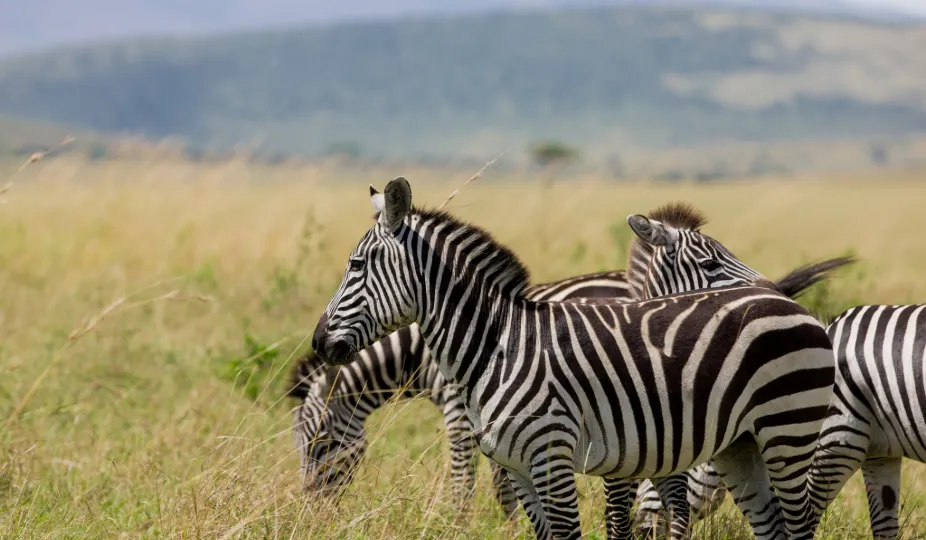
Classic Safari Animals
Lion populations in the Mara are among the densest in Africa, and prides of fifteen or more are not unusual. Elephant herds are strongest in Amboseli and Samburu, with Amboseli holding some of the last remaining big tuskers on the continent.
Rhino sightings are most reliable in Lake Nakuru and Ol Pejeta, both of which run active protection programmes. Leopard are most consistently found along riverine forest in Samburu and the Mara conservancies, where lower vehicle density improves your odds considerably.
The Samburu Special Five
The Grevy’s zebra, reticulated giraffe, Beisa oryx, gerenuk, and Somali ostrich are found reliably only in Kenya’s northern reserves. None of these appear on a standard Big Five checklist, which is exactly why serious wildlife travellers make a point of visiting Samburu specifically to see them.
Birdlife
Kenya has recorded over 1,100 bird species, and the Rift Valley lakes, particularly Nakuru, Bogoria, and Naivasha, are some of the most productive birding sites on the continent. Flamingo numbers fluctuate with lake chemistry from year to year, so ask your guide about current conditions rather than relying on older guidebooks.
Tips for Staying Safe on a Kenya Safari
Kenya’s national parks and reserves are well managed and safe for safari travel, and serious incidents involving tourists in the parks themselves are rare.
In the Parks and at Camp
Always follow your guide’s instructions, particularly around distance from wildlife and staying inside the vehicle during game drives. Many camps in the Mara conservancies and Laikipia are unfenced, meaning animals move through freely at night, so stay inside your tent after dark unless escorted.
Health
Take malaria prophylaxis for the full recommended course, drink only bottled or treated water, and carry your yellow fever certificate if arriving from a country with transmission risk. Visit a travel health clinic at least six weeks before departure to cover vaccinations properly.
In Towns and Transit
Petty theft can occur in busier parts of Nairobi and Mombasa, so keep valuables out of sight and use hotel safes. Tipping is customary and appreciated: budget around USD 15 to 20 per day for your guide and USD 10 per day for camp staff as a general starting point.
How to Choose a Reputable Kenya Safari Operator
The gap between an average Kenya safari and an exceptional one almost always comes down to the operator, and specifically to the guide they put in your vehicle.
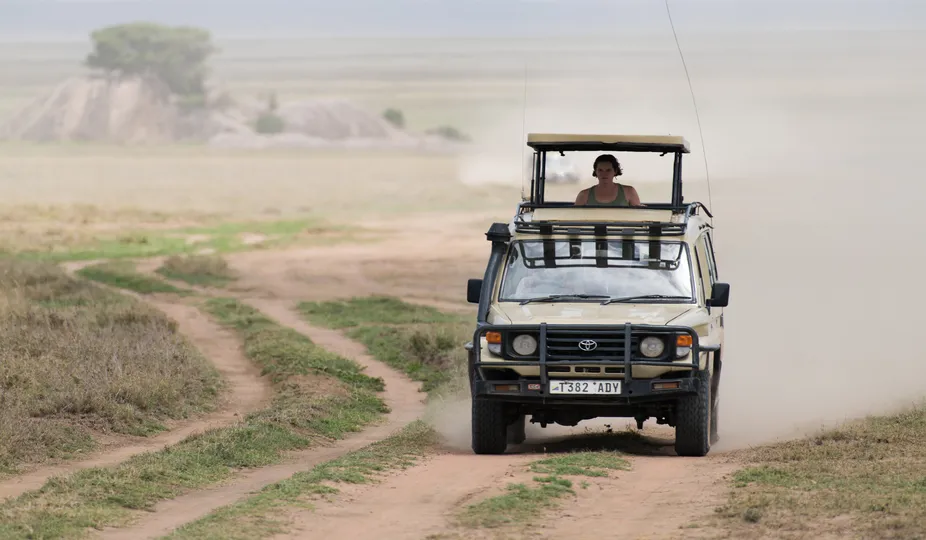
Guides
Ask how long a guide has worked in the specific park you are visiting, not just in the industry generally. A guide who has spent a decade reading the same stretch of the Mara River reads herd behaviour in a way that general experience cannot replace.
Vehicles
Confirm whether your vehicle is private or shared, and whether it has a full pop up roof. This single detail affects photography, comfort, and how long you can comfortably stay at a sighting.
Accreditation
Look for membership with the Kenya Association of Tour Operators, known as KATO, which provides bonding and accountability that unregistered operators cannot offer. Africa Bed of Roses Safaris is accredited under the Kenya Tourism Regulatory Authority and holds KATO membership with bonding scheme coverage, so your safari investment is protected.
Park management itself sits with the Kenya Wildlife Service, the government body responsible for conserving and managing the country’s national parks, so a reputable operator should be transparent about how park and conservancy fees are collected and used.
An Honest Note on What Is Overhyped
Not every famous Kenya attraction deserves the hype. The Carnivore Restaurant in Nairobi draws enormous crowds for its all you can eat game meat format, but most guides who eat there themselves describe it as a novelty rather than a highlight, and we would rather spend that evening on something more memorable.
We would also gently steer clients away from short volunteer placements at children’s homes, however well intentioned, since the safeguarding concerns around brief, unqualified contact with vulnerable children are well documented. There are better ways to give back on a trip, and we are happy to suggest genuine community based alternatives instead.
Frequently Asked Questions
How far in advance should I book a Kenya safari?
Book six to twelve months ahead for peak season travel between July and October, and for any honeymoon or milestone trip regardless of season. The best conservancy camps in the Mara have limited capacity and sell out well in advance.
When is the worst time to visit Kenya?
April and May, during the long rains, are the months we most often suggest avoiding. Roads can become difficult, some camps close for maintenance, and wildlife disperses widely, making sightings less predictable.
Why can you not wear black or dark blue on safari?
Dark colours, particularly black and dark blue, attract tsetse flies in several Kenyan parks, and their bite is genuinely painful. Stick to khaki, olive, beige, and similar neutral tones for all game drive clothing.
Which is better for safari, Kenya or Tanzania?
Both are exceptional, and the comparison is genuinely close. Kenya generally offers slightly lower costs, a more compact circuit, and unique northern wildlife through Samburu, while Tanzania offers the larger, more remote Serengeti and Ngorongoro Crater. Many of our clients combine both countries into a single seamless itinerary, since the Mara and Serengeti are, from the wildlife’s perspective, one continuous ecosystem.
Do I need a visa for Kenya?
Most nationalities require an Electronic Travel Authorisation, applied for online before departure. Requirements and fees change periodically, so confirm the current process for your passport well ahead of travel, and your operator should be able to guide you through it.
Are there gorillas in Kenya?
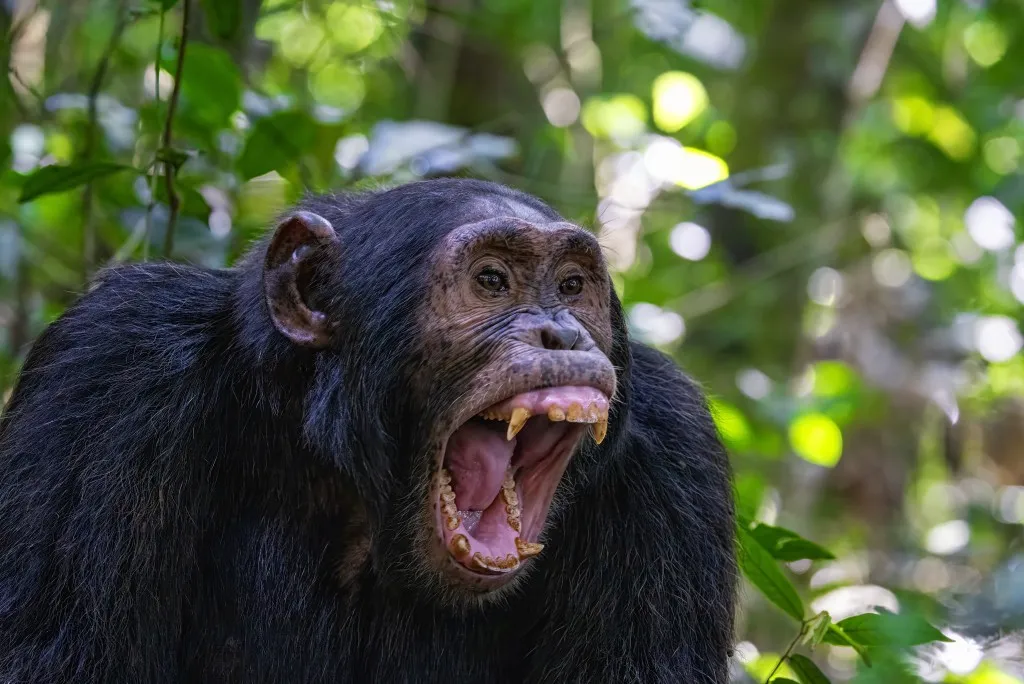
No. Mountain gorillas are found in Rwanda, Uganda, and the eastern Democratic Republic of Congo. If gorilla trekking is on your list, we regularly combine a Kenya safari with a Rwanda or Uganda extension.
What is the best Kenya safari for a honeymoon?
A private safari combining the Masai Mara with a coastal extension in Diani or Watamu is the itinerary we build most often for couples. Ten to twelve nights allows three to four nights in the Mara, time in a second park such as Amboseli, and several nights of beach time to close the trip.
Plan Your Kenya Safari with Africa Bed of Roses Safaris
At Africa Bed of Roses Safaris Every Kenya safari we design is private, built around your dates and your interests, and shaped by guides who know these parks well enough to put you in the right place at the right time. Whether you are planning a honeymoon, a family trip, or your very first safari, reach out to our team and we will build an itinerary around what you actually want to experience.